Mirza Fakhrul Islam Alamgir elected Bangladesh's 23rd President
Synopsis
For the first time since 1991, Bangladesh's parliament held a contested presidential election — and BNP's Mirza Fakhrul Islam Alamgir won decisively, 255 votes to 88. His presidency arrives at a pivotal moment: the July Charter could expand the role of the office itself, making the man and the moment unusually consequential for Bangladesh's constitutional future.
Key Takeaways
Mirza Fakhrul Islam Alamgir was elected Bangladesh's 23rd President on 20 August , winning 255 of 343 valid votes cast in parliament.
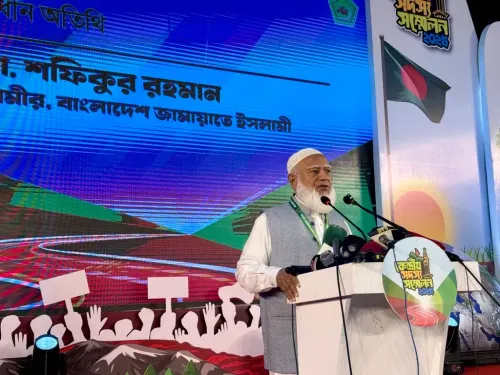
Opponent Oli Ahmed , backed by the Jamaat-e-Islami -led 11-party alliance, received 88 votes .
The election is the first contested presidential ballot in Bangladesh since 8 October 1991 — ending over 33 years of unopposed elections.
Fakhrul is set to be sworn in at Bangabhaban on Friday .
The vacancy was created by the resignation of President Mohammed Shahabuddin on 24 July .
The July Charter proposes expanding presidential powers, adding constitutional significance to the new presidency.
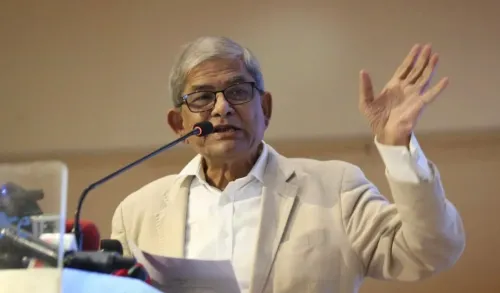
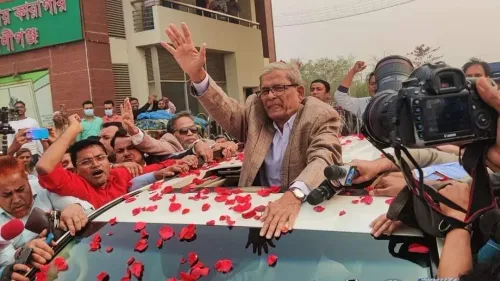
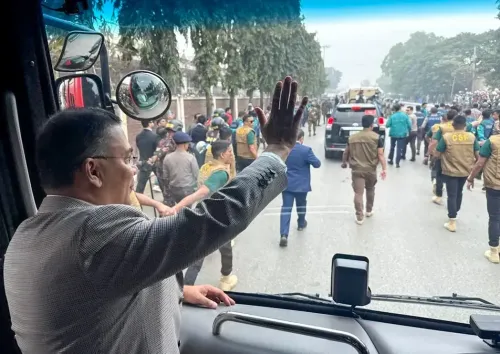
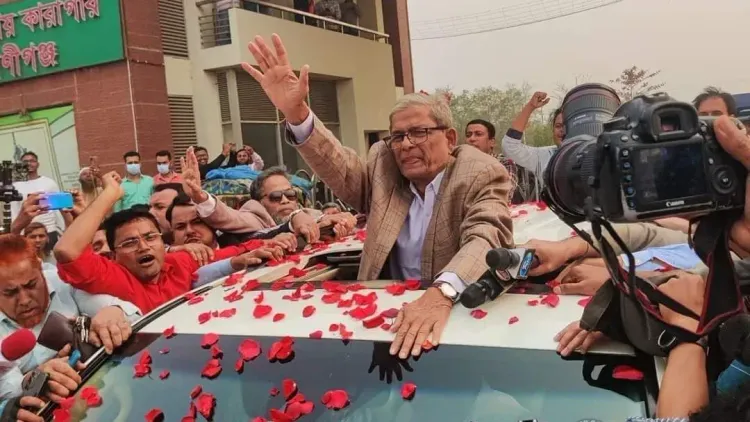
Mirza Fakhrul Islam Alamgir, the Bangladesh Nationalist Party (BNP) candidate, was elected as the 23rd President of Bangladesh on Thursday, 20 August, defeating Oli Ahmed — the candidate backed by the Jamaat-e-Islami-led 11-party alliance — in a historic parliamentary vote. The election, held in the national Parliament under the supervision of Chief Election Commissioner (CEC) and Returning Officer A M M Nasir Uddin, marks the first contested presidential ballot in Bangladesh in more than three and a half decades.
The Vote Count
Fakhrul secured 255 votes against Ahmed's 88, out of 343 valid votes cast among 349 eligible lawmakers. Six members of parliament did not cast their ballots, including BNP lawmakers Mirza Abbas and Mostafa Kamal Pasha, independent lawmaker Rumeen Farhana, Jamaat lawmaker Gazi Nazrul Islam, and Islami Andolan Bangladesh lawmaker Oli Ullah.
Announcing the result, CEC A M M Nasir Uddin declared: 'Mirza Fakhrul Islam Alamgir was elected to the post of President properly as he got the highest votes,' according to Bangladeshi media outlet UNB. Fakhrul is scheduled to take the oath of office at Bangabhaban on Friday, as confirmed by the Chief Whip.
A Historic First Since 1991
The election is the first presidential 'ballot battle' in Bangladesh since 8 October 1991, breaking a practice of electing presidents unopposed that had persisted for over 33 years. The vacancy arose following the resignation of President Mohammed Shahabuddin on 24 July, after which Speaker of the National Parliament Hafiz Uddin Ahmed assumed the role of acting President. Under Bangladesh's Constitution, a presidential election must be held within 90 days of the office falling vacant.
Who Is Mirza Fakhrul Islam Alamgir
For over 15 years, Fakhrul served as BNP's effective second-in-command and became the party's longest-serving Secretary General. During the party's most turbulent years — when Tarique Rahman was in exile in London and former BNP chief Khaleda Zia faced imprisonment, house arrest, and prolonged illness — Fakhrul remained the senior leader physically present on the ground in Bangladesh. He maintained contact with party workers and helped translate party decisions into action, according to The Daily Star, Bangladesh's leading newspaper.
Constitutional Significance and the July Charter
Fakhrul's presidency carries added weight amid proposed constitutional changes agreed upon by political parties under the July Charter. The charter seeks to rebalance power between the President and the Prime Minister, amending constitutional provisions to grant the President greater independence in making key appointments — including to the National Human Rights Commission and the Information Commission. If implemented, these changes could meaningfully expand the role of the presidency beyond its historically ceremonial functions.
How Fakhrul navigates the relationship between his new constitutional office and his long-standing party identity will be closely watched in the weeks ahead.
Point of View
But the real story is structural. Fakhrul's election is less about the man and more about the office he is inheriting — one that the July Charter proposes to meaningfully empower. A stronger presidency in a country with a history of executive concentration is a double-edged reform: it can serve as a check on a dominant prime minister, or become a parallel power centre. The fact that the new president is BNP's longest-serving party operative — not a neutral figure — raises legitimate questions about whether the office will function as an independent constitutional check or an extension of party interest. That tension will define his tenure.
NationPress
5 Oct 2026
Frequently Asked Questions
Who is Bangladesh's new President?
Mirza Fakhrul Islam Alamgir, the Bangladesh Nationalist Party (BNP) candidate and the party's longest-serving Secretary General, was elected as Bangladesh's 23rd President on 20 August. He defeated Oli Ahmed, backed by the Jamaat-e-Islami-led 11-party alliance, by 255 votes to 88 in a parliamentary ballot.
When was the last time Bangladesh held a contested presidential election?
The last contested presidential election in Bangladesh was on 8 October 1991. Thursday's vote ended a practice of electing presidents unopposed that had lasted more than three and a half decades.
Why was the presidential election held now?
The election was triggered by the resignation of President Mohammed Shahabuddin on 24 July. Under Bangladesh's Constitution, a new presidential election must be held within 90 days of the office falling vacant, with Speaker Hafiz Uddin Ahmed serving as acting President in the interim.
What is the July Charter and how does it affect the presidency?
The July Charter is a set of proposed constitutional changes agreed upon by political parties in Bangladesh. It seeks to rebalance power between the President and the Prime Minister, granting the President greater independence in making appointments to bodies such as the National Human Rights Commission and the Information Commission.
When will Mirza Fakhrul Islam Alamgir be sworn in?
Fakhrul is scheduled to take the oath of office at Bangabhaban on Friday, 21 August, according to the Chief Whip.