Bhatti terror network bust: recruitment collapses after 200+ arrests before Independence Day
Synopsis
India's crackdown on the ISI-backed Shahzad Bhatti network — which recruited youth via social media for hit jobs, drug smuggling, and surveillance — has done more than make arrests. With over 200 detained before Independence Day and Bhatti reduced to publicly disputing the numbers, the network's recruitment pipeline has visibly collapsed. The psychological blow may prove as consequential as the physical busts.
Key Takeaways
Union Home Minister announced the complete dismantling of the Shahzad Bhatti network last week.
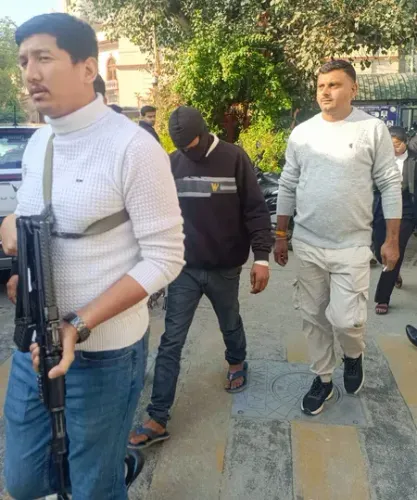
Indian agencies arrested over 200 persons across multiple modules ahead of India's 80th Independence Day .
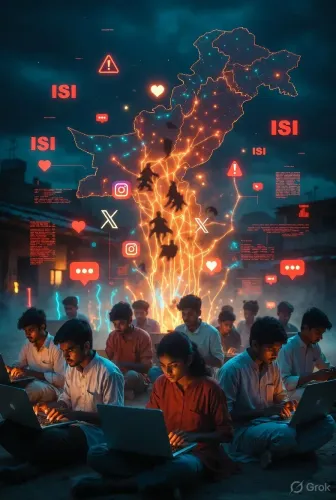
The ISI -backed network recruited youth via social media, tasking them with installing CCTV cameras, carrying out hit jobs, and drug smuggling.
Online recruitment activity has dropped sharply since the announcement; many targeted youth are now refusing the network's offers.
Bhatti has publicly claimed all 3,000 of his recruits remain loyal and called the arrest figures false — a response officials describe as damage control.
Agencies are combining enforcement with youth awareness programmes to prevent reconstitution of the network.
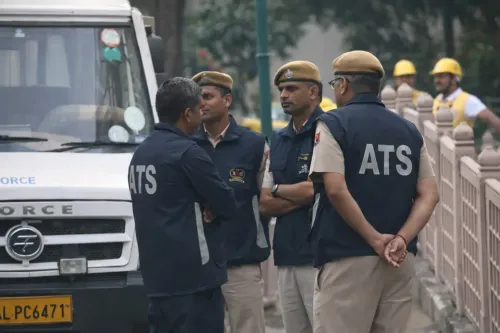
Indian security agencies have dealt a severe blow to the Shahzad Bhatti network — an ISI-backed terror recruitment operation that used social media to enlist youth across India — with Union Home Minister announcing last week that the network had been completely dismantled. More than 200 persons were arrested across multiple module busts ahead of India's 80th Independence Day, and intelligence officials say the crackdown has triggered a sharp and measurable decline in the network's online recruitment activity.
Scale of the Operation
According to an Intelligence Bureau official, the Bhatti network was among the largest ISI-backed operations mounted in recent years. Its stated aim was to build a distributed army of low-level operatives spread across the country — individuals recruited not for ideology alone, but with promises of fame, weapons, and small sums of money.
Recruited youth were tasked with installing CCTV cameras at crowded locations, carrying out targeted hit jobs, and smuggling small quantities of drugs. The model was designed to be diffuse and difficult to trace — hundreds of small modules operating independently, with Bhatti expanding slowly to avoid detection.
Why the Network Worked — and Why It Has Stalled
'Bhatti sold these youth a dream of being famous and powerful, and it worked seamlessly for months,' an official said. The network's recruiters were reportedly reaching scores of youth regularly, with a meaningful response rate. That dynamic has now reversed.
Since the arrests were made public, online activity attributed to the network has slowed considerably. Officials note that many young people who were previously targeted are now casting doubt on the network's agenda and refusing its overtures. Awareness campaigns run by agencies alongside the enforcement action are credited with accelerating this shift in sentiment.
Bhatti Pushes Back With a Counter-Narrative
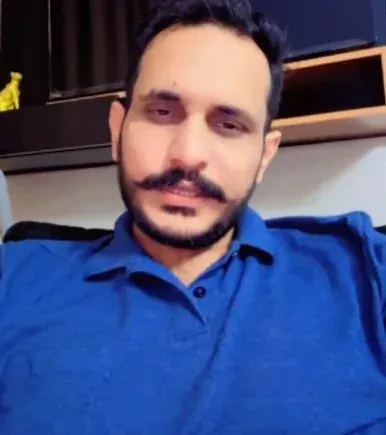
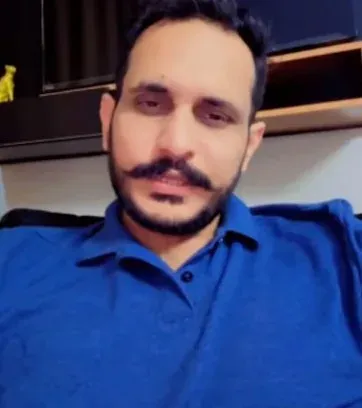
Bhatti has publicly disputed the government's claims. He alleged that all 3,000 youth he reportedly recruited remain with him, and characterised the official arrest figures as false. He also questioned whether those detained are genuinely part of his network.
Officials say this response was anticipated. 'He has to put up a brave front and try to create a fake narrative, as he realises that the recruitment process will not be the same now,' one official remarked. Analysts within the agencies view Bhatti's public posturing as an attempt to reassure potential recruits and prevent further collapse of the network's credibility.
Strategic Impact and What Comes Next
Intelligence officials describe the dual approach — enforcement action combined with youth outreach — as a 'massive win.' Hurting the psychological morale of the network, they argue, is as important as the physical arrests, since recruitment-driven outfits depend on perceived invincibility to attract new members.
Officials acknowledge that Bhatti and the ISI will attempt to reconstitute operations, but assess that the network's reach and credibility have been durably damaged. Agencies say they will continue monitoring for signs of reorganisation while sustaining awareness programmes targeting vulnerable youth populations.
Point of View
Incentive-driven, social-media-native — represents a relatively new template for ISI-backed recruitment that does not rely on deep ideological commitment. That makes the psychological dimension of this crackdown more significant than the arrest count alone. Bhatti's public counter-narrative, however clumsy, signals that he understands the real battlefield is now perception among potential recruits. Indian agencies appear to have grasped this too, pairing enforcement with awareness campaigns — a combination that past anti-terror operations have often skipped. The test will be whether the disruption holds once the news cycle moves on and the ISI quietly attempts to rebuild.
NationPress
21 Aug 2026
Frequently Asked Questions
What is the Shahzad Bhatti network and what was it doing in India?
The Shahzad Bhatti network is an ISI-backed terror recruitment operation that used social media to enlist Indian youth for activities including installing surveillance cameras at crowded locations, carrying out targeted hit jobs, and smuggling small quantities of drugs. It operated through hundreds of small, distributed modules designed to be difficult to detect and dismantle.
How many people were arrested in the Bhatti network crackdown?
Indian security agencies arrested over 200 persons across multiple module busts before India's 80th Independence Day, according to the Union Home Minister's announcement. Bhatti has publicly disputed these figures, claiming they are false.
Why has recruitment activity in the Bhatti network declined after the arrests?
Intelligence Bureau officials say the public announcement of the busts has damaged the network's perceived invincibility, causing many targeted youth to question its agenda and refuse its offers. Agencies have also been running awareness programmes alongside enforcement, which officials credit with accelerating the drop in recruitment response.
What is Bhatti's response to the Indian government's claims?
Bhatti has alleged that all 3,000 youth he recruited remain with him and has called the government's arrest figures false. He has also questioned whether those detained are genuinely part of his network. Officials describe this as an expected attempt to salvage credibility and sustain future recruitment.
Will the Bhatti network attempt to resume operations?
Officials acknowledge that Bhatti and the ISI will try to reconstitute operations, but assess that the network's reach and morale have been significantly damaged. Agencies say they will continue monitoring for reorganisation while maintaining youth outreach programmes to prevent fresh recruitment.