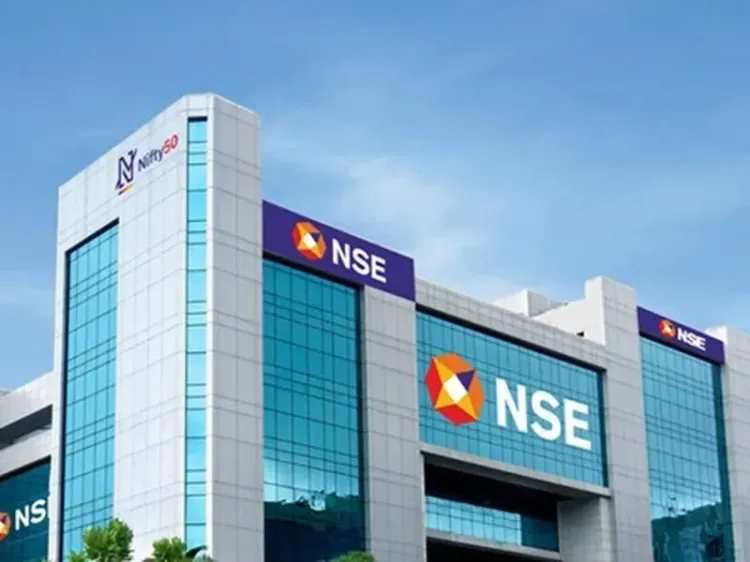
NSE cannot self-list post-IPO under current rules, says BSE CEO Ramamurthy
Synopsis
BSE's CEO has publicly confirmed what regulators have long implied: NSE cannot list on its own exchange after its IPO under current rules. With derivatives turnover at multi-month lows at both exchanges and the CAS mechanism under fire for thin liquidity, the NSE IPO story is becoming as much about structural market concerns as it is about the offering itself.
Key Takeaways
BSE CEO Sundararaman Ramamurthy confirmed on 3 September that NSE cannot self-list after its IPO under the current regulatory framework.
NSE told BSE's compliance team that media reports on self-trading were 'speculative and baseless' and that no addendum to its DRHP would be filed.
BSE had itself sought permission to trade on its own exchange in 2017 but was not permitted to do so.
NSE's monthly equity derivatives turnover fell to ₹34.48 lakh crore in August — its lowest since November 2023 .
BSE's August derivatives turnover hit ₹32.2 lakh crore , its lowest since June 2025 .
BSE shares surged 4.68% to a 52-week high of ₹3,316.50 on Thursday.
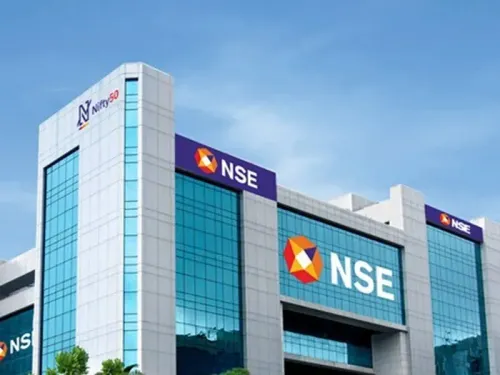
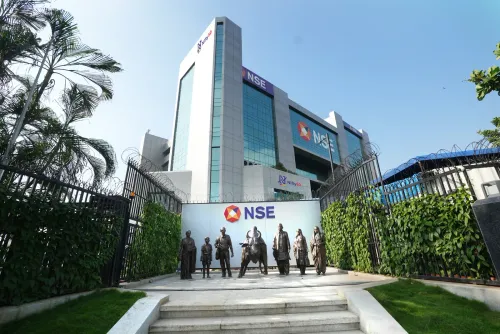
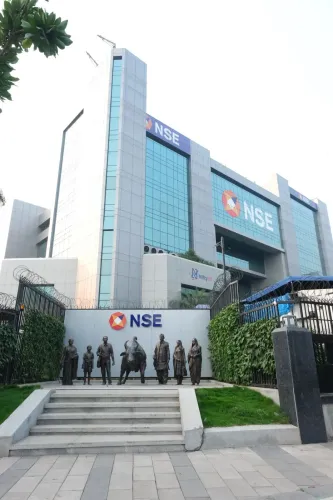
National Stock Exchange (NSE) cannot list on its own exchange after its proposed initial public offering under the existing regulatory framework, BSE Managing Director and CEO Sundararaman Ramamurthy said on 3 September, according to reports. The clarification came amid speculation that NSE could potentially trade on its own bourse under the 'permitted to trade' category following its listing on BSE.
What BSE's CEO Said
Ramamurthy stated that BSE's compliance team had reached out to NSE to verify whether it intended to seek regulatory permission and file an addendum to its Draft Red Herring Prospectus (DRHP). NSE reportedly responded that media reports on the matter were 'speculative and baseless' and that it would not file any fresh addendum.
'NSE has confirmed no addendum will be issued for self-trading along with offer document,' Ramamurthy said. He further noted that BSE had itself sought permission to trade on its own exchange in 2017 but was denied.
Closing Auction Session Draws Criticism
Ramamurthy also weighed in on the recently introduced Closing Auction Session (CAS), flagging a decline in index option volumes due to limited liquidity. 'Liquidity is an important requirement of a CAS system. Due to lack of liquidity in CAS, participation has lacked. Index volumes have come down,' he said. The remarks point to early structural concerns with the CAS mechanism that regulators may need to address.
Derivatives Turnover at Multi-Month Lows
The commentary arrives against a backdrop of weakening derivatives activity. According to reports, NSE's monthly equity derivatives turnover fell to ₹34.48 lakh crore in August — its lowest since November 2023. BSE's August derivatives turnover stood at ₹32.2 lakh crore, its lowest since June 2025. The simultaneous decline at both exchanges suggests a broader contraction in market participation rather than a platform-specific trend.
BSE Stock Surges on the Day
Despite the cautious tone on market volumes, shares of BSE surged as much as 4.68% to ₹3,316.50 by 1:10 pm IST on Thursday, touching a fresh 52-week high. The stock's 52-week low stands at ₹3,198.90, underscoring the sharp intraday rally.
The NSE IPO, long anticipated as one of India's largest public offerings, continues to face regulatory and structural questions that will likely shape its final offer document. Whether the self-listing question resurfaces in a future regulatory review remains to be seen.
Point of View
Not the regulatory intent going forward. More telling is the simultaneous slide in derivatives turnover at both exchanges, which suggests the market-structure debate is not just about listing mechanics but about whether India's exchange ecosystem is healthy enough to absorb a landmark offering without further structural stress.
NationPress
18 Oct 2026
Frequently Asked Questions
Can NSE list on its own exchange after its IPO?
No. Under the current regulatory framework, NSE cannot self-list after its proposed IPO. BSE CEO Sundararaman Ramamurthy confirmed on 3 September that NSE has stated it will not file any addendum to its Draft Red Herring Prospectus to enable self-trading.
What is the NSE IPO and why is the self-listing question significant?
NSE's IPO is one of India's most anticipated public offerings. The self-listing question arose because there was speculation NSE could trade on its own exchange under a 'permitted to trade' category after listing on BSE. Regulators and BSE have now clarified this is not permissible under current rules.
Has any Indian exchange previously sought permission to self-list?
Yes. BSE sought permission to trade on its own exchange in 2017 but was not allowed to do so, setting a precedent that BSE CEO Ramamurthy cited in his remarks on 3 September.
What is the Closing Auction Session and why is it under scrutiny?
The Closing Auction Session (CAS) is a recently introduced market mechanism. BSE's CEO flagged that index option volumes have declined due to limited liquidity in the CAS, raising concerns about its effectiveness and market participation.
Why have derivatives volumes fallen at NSE and BSE?
NSE's monthly equity derivatives turnover dropped to ₹34.48 lakh crore in August, its lowest since November 2023, while BSE's fell to ₹32.2 lakh crore, its lowest since June 2025. The simultaneous decline at both exchanges points to a broader contraction in market participation.