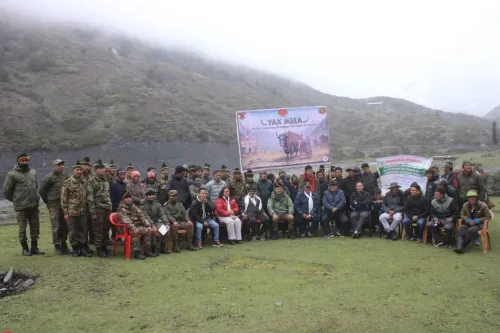
CM Pema Khandu flags Yak Economy Summit 2026 at Mago
Synopsis
The Yak Economy Summit 2026 at Mago, Tawang brought Brokpa herders, ICAR-NRCY scientists and government officials together to address shrinking yak populations and the livelihoods of high-altitude pastoral families in Arunachal Pradesh's western districts.
Key Takeaways
The Yak Economy Summit 2026 was held at Mago in Tawang district , Arunachal Pradesh.
Brokpa yak-herding communities from Tawang and West Kameng participated alongside scientists, veterinarians and administrators.
ICAR–National Research Centre on Yak (ICAR-NRCY) , established in 1989 at Dirang , provided scientific representation at the summit.
Yak rearing is the primary livelihood for Brokpa families in districts where high altitude makes conventional agriculture impossible.
Declining yak populations and shifting grazing patterns have placed increasing pressure on these pastoral communities.
The summit is part of broader state efforts to sustain border-area economies in Arunachal Pradesh's sensitive western frontier districts.
High in the cold folds of Tawang district, a quiet economic conversation is taking place — one that could determine the future of a centuries-old Himalayan livelihood. Arunachal Pradesh Chief Minister Pema Khandu on Sunday, October 18, 2026, highlighted the Yak Economy Summit 2026 held at Mago, bringing into focus the fragile but vital world of yak rearing in the state's western highlands.
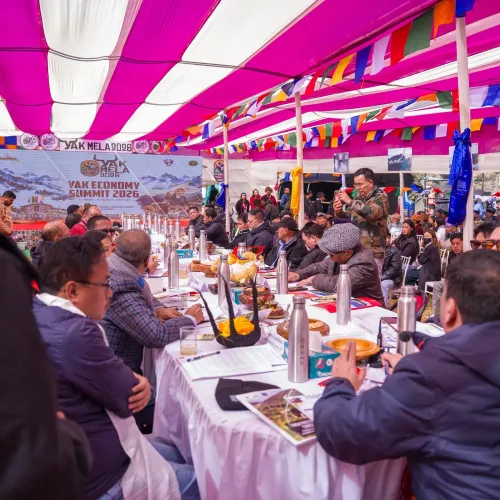
Brokpa herders and scientists at one table in Mago
The summit at Mago — a remote settlement in Tawang district — drew together Brokpa yak-herding communities from Tawang and West Kameng districts alongside scientists from the ICAR–National Research Centre on Yak (ICAR-NRCY), veterinarians, animal husbandry experts, and administrators. The gathering was designed to open a direct line between the pastoral families who depend on yaks for survival and the scientific institutions tasked with sustaining the species.
ICAR-NRCY, headquartered at Dirang in Arunachal Pradesh, has been the country's nodal research body for yak husbandry in the eastern Himalayas since its establishment in 1989. Its proximity to Brokpa communities makes it a natural bridge between traditional knowledge and modern veterinary science.
Why the yak economy cannot be allowed to slip away
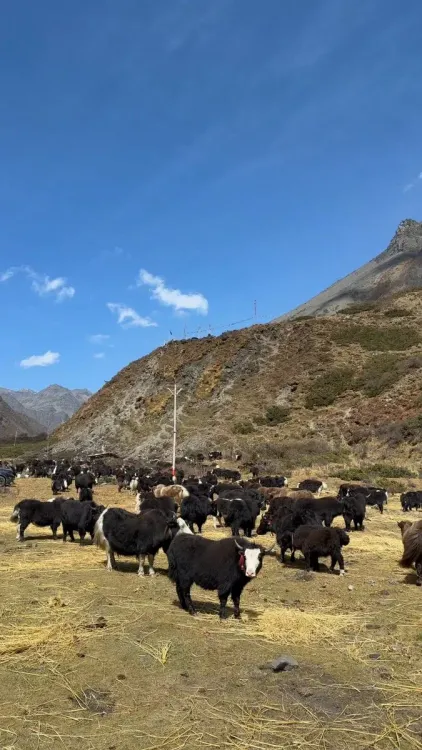
For Brokpa families in West Kameng and Tawang, the yak is not a commodity — it is the entire economy. At altitudes where conventional agriculture is impossible, yaks provide milk, meat, fibre, hide, and transport. The terrain and climate that have kept these communities distinct have also made them economically vulnerable to any decline in herd health or market access.
That vulnerability has been growing. Yak populations across the Indian Himalayas have been shrinking for years, squeezed by shifting grazing patterns, climate-driven changes in high-altitude pastures, and the slow pull of younger generations toward lowland towns. Convening scientists and herders at the source — in Mago itself, not a conference hall in Itanagar — signals a deliberate choice to treat this as a field problem, not a paperwork one.
Border-area livelihoods at the heart of the agenda
Arunachal Pradesh's western districts sit along sensitive borders with Bhutan and China. Sustaining viable pastoral economies in these areas carries significance beyond the economic: populated, productive border villages are a strategic asset. The state government has periodically convened stakeholder platforms to link traditional high-altitude pastoralism with value-chain development — yak cheese, wool processing, and herder welfare schemes among them.
What emerges from Mago 2026 in concrete policy terms — budget allocations, new herder insurance frameworks, or processing infrastructure — will be worth watching as the next state financial cycle approaches.
The yak has survived the Himalayas for millennia. Whether its economy can survive the twenty-first century depends on conversations exactly like the one that just happened at Mago.
Point of View
Chief Minister Khandu signals a field-first governance approach in sensitive frontier terrain. The inclusion of ICAR-NRCY alongside herders also reflects a push to institutionalise scientific support for a livelihood that has historically relied on intergenerational knowledge alone. Whether this translates into durable schemes — herder insurance, yak-product value chains, pasture restoration funding — will be the real test of the summit's legacy.
NationPress
18 Oct 2026
Frequently Asked Questions
What is the Yak Economy Summit 2026?
The Yak Economy Summit 2026 is a stakeholder conclave held at Mago in Tawang district, Arunachal Pradesh, bringing together Brokpa yak herders, ICAR-NRCY scientists, veterinarians, animal husbandry experts and administrators to discuss the future of yak rearing and the livelihoods of pastoral families.
Where is Mago located?
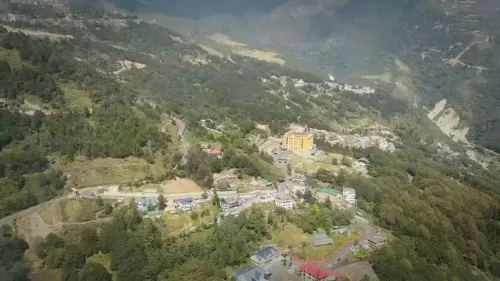
Mago is a remote settlement in Tawang district in western Arunachal Pradesh, situated at high altitude near the borders with Bhutan and China.
What is ICAR-NRCY and what does it do?
ICAR–National Research Centre on Yak (ICAR-NRCY), based at Dirang in Arunachal Pradesh, is India's premier research institute for yak breeding, husbandry and conservation in the eastern Himalayas, established in 1989.
Who are the Brokpa people?
The Brokpa are a high-altitude pastoral community in Arunachal Pradesh's Tawang and West Kameng districts whose traditional economy is centred on yak rearing for milk, meat, fibre and transport.
Why are yak populations declining in Arunachal Pradesh?
Yak populations in the Indian Himalayas have been shrinking due to shifting grazing patterns, climate-driven changes in high-altitude pastures, and younger generations migrating toward lowland towns, threatening the Brokpa communities' primary livelihood.