CM Himanta Plans ₹550cr Proton Therapy for Assam Govt Hospitals
Synopsis
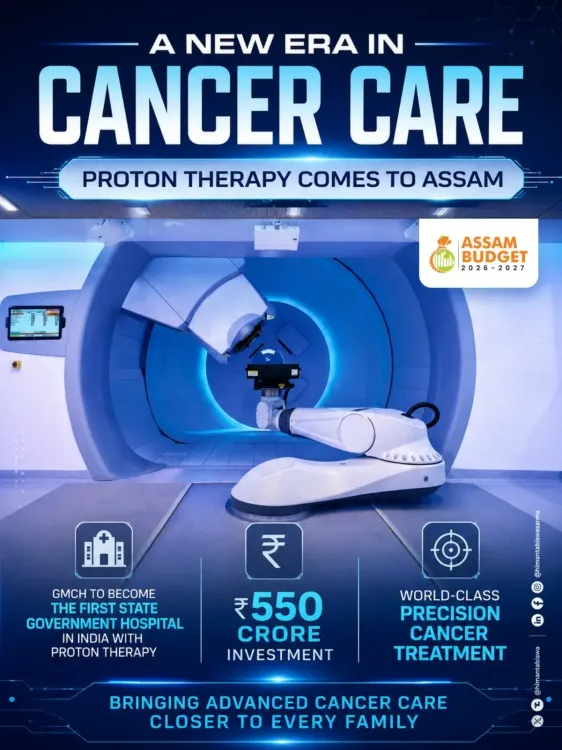
Assam Chief Minister Himanta Biswa Sarma announced on 10 July 2026 that the state will invest ₹550 crore to introduce proton beam therapy in its government healthcare sector, potentially making Assam the first Indian state to offer this advanced cancer treatment publicly.
Key Takeaways
Assam CM Himanta Biswa Sarma announced plans to introduce proton beam therapy in the state's government healthcare sector.
The proposed investment stands at ₹550 crore , described by the Chief Minister as an 'ambitious plan.' If realised, Assam would become the first Indian state to offer proton beam cancer therapy through a government facility.
Proton beam therapy is currently available in India only at select private and specialised centres, making it largely inaccessible to public-sector patients.
The announcement aligns with Assam's broader push since 2021 to expand tertiary healthcare infrastructure in the Northeast .
Procurement timelines, site selection, and institutional partnerships have not yet been publicly announced.
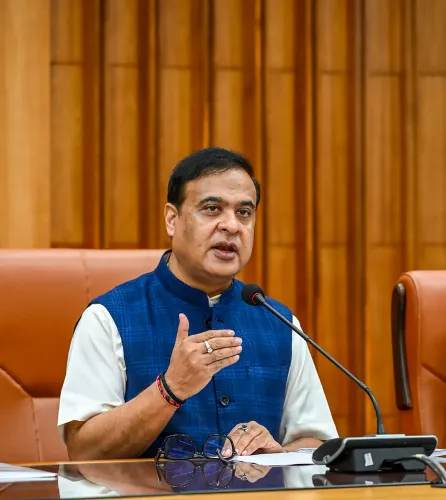
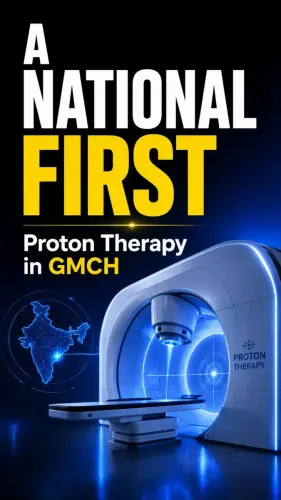
Assam Chief Minister Himanta Biswa Sarma announced on Friday, 10 July 2026 that Assam will become the first state in India to offer proton beam therapy for advanced cancer treatment within the government healthcare sector, backed by an investment of ₹550 crore.
Context
Proton beam therapy is among the most precise and expensive forms of radiation treatment available for cancer, capable of targeting tumours with minimal damage to surrounding healthy tissue. It is currently accessible in India only through a handful of private and specialised institutions, placing it out of reach for most public-sector patients.
CM Sarma stated that Assam is 'investing ₹550 crore for this ambitious plan,' signalling a commitment to bring this technology into the state-run health system — a step that would mark a first for any Indian state government if realised.
Policy Backdrop
The announcement fits within a broader push by Assam to expand tertiary healthcare infrastructure since 2021, when Sarma took charge as Chief Minister. The northeastern region has historically seen significant patient outflows to private oncology centres in metros such as Chennai, Mumbai, and Delhi for high-end cancer care.
The Government of India approved the establishment of AIIMS Guwahati in 2015 to bolster tertiary care capacity in the Northeast, and successive plans have channelled central support toward health infrastructure in the region. Several states across India have in recent years announced public-sector investments in advanced oncology equipment with the same goal of reducing dependence on private metro hospitals.
Stakeholders and Impact
The primary beneficiaries would be cancer patients across Assam and potentially the wider Northeast, who currently bear the financial and logistical burden of travelling to distant private centres for advanced radiation therapy. Making proton beam therapy available in the government sector could significantly reduce out-of-pocket expenditure for families in the region.
Public hospital networks in the state would need substantial upgrades in infrastructure, trained personnel, and clinical protocols to operationalise such a facility. Partnerships with established national cancer institutes are expected to be critical for training and standardising treatment procedures.
What's Next
Key milestones to watch include the formal procurement process for the proton therapy equipment, site selection within Assam, and any announced collaborations with national or international oncology institutions. The timeline for commissioning the facility has not yet been specified.
If the plan advances as outlined, Assam would set a precedent for other state governments considering similar investments in high-end public oncology infrastructure — a development that could reshape the landscape of cancer care access across India's northeastern states.
Point of View
' the move directly addresses a long-standing grievance in the Northeast — the costly migration of cancer patients to private metro hospitals. Whether the plan translates into an operational facility will depend on procurement execution and trained manpower, both of which have historically been bottlenecks for high-technology health projects in the region. The announcement also fits a pattern of state governments using flagship health infrastructure pledges ahead of electoral cycles to demonstrate developmental ambition.
NationPress
10 Jul 2026
Frequently Asked Questions
What is proton beam therapy and why is it significant for cancer treatment?
Proton beam therapy is an advanced form of radiation treatment that uses protons rather than X-rays to target tumours with high precision, reducing damage to surrounding healthy tissue. It is considered particularly valuable for complex or paediatric cancers and is currently available in India only at a small number of private and specialised facilities.
How much is Assam investing in proton beam therapy?
Assam Chief Minister Himanta Biswa Sarma has announced an investment of ₹550 crore for the proton beam therapy project in the state's government healthcare sector.
Will Assam be the first state in India to have government proton therapy?
CM Sarma has stated that Assam will be the first Indian state to offer proton beam therapy within the government healthcare sector. The claim has not yet been independently verified, and the facility is yet to be commissioned.
When will the proton therapy facility in Assam be operational?
No operational start date has been announced as of 10 July 2026 . Key steps including site selection, procurement, and institutional partnerships are yet to be publicly disclosed.
Who will benefit from the Assam proton beam therapy facility?
Cancer patients in Assam and the broader Northeast India region are the primary intended beneficiaries, as they currently have to travel to private hospitals in distant metros for this level of cancer care, incurring significant financial and logistical costs.