CM Himanta relaunches ₹100 Masur Dal-Sugar kit for 70 lakh Assam families
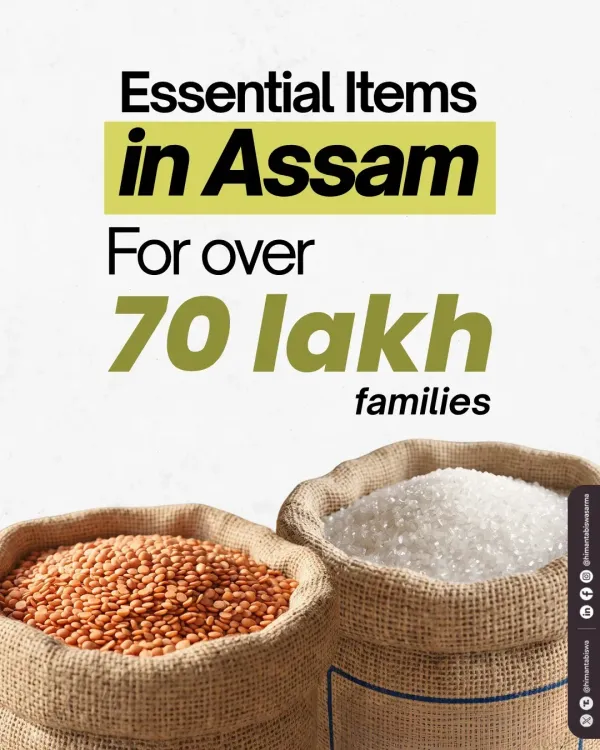
Synopsis
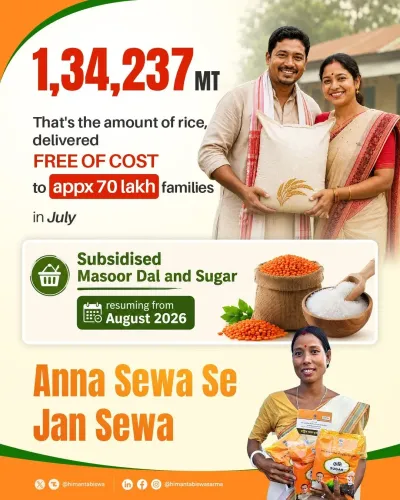
Assam CM Himanta Biswa Sarma relaunched a ₹100 subsidised Masur Dal and Sugar combo kit on 10 August 2026, targeting over 70 lakh families monthly. Subsidised salt and mustard oil are next in line, expanding the state's public distribution basket.
Key Takeaways
Assam CM Himanta Biswa Sarma relaunched a subsidised Masur Dal and Sugar combo kit on 10 August 2026 .
The kit is priced at just ₹100 , explicitly positioned as cheaper than quick-commerce grocery platforms.
Over 70 lakh families in Assam are targeted as monthly beneficiaries.
The scheme is part of Assam's progressive expansion of its Public Distribution System basket beyond basic foodgrains.
Subsidised salt and mustard oil kits are announced as the next phase of the programme.
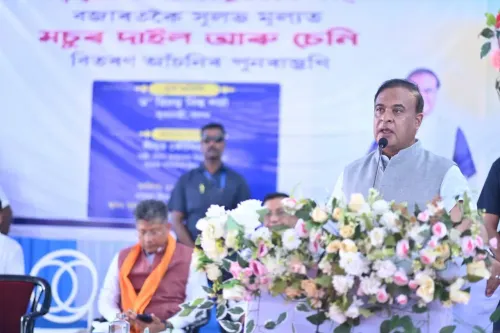
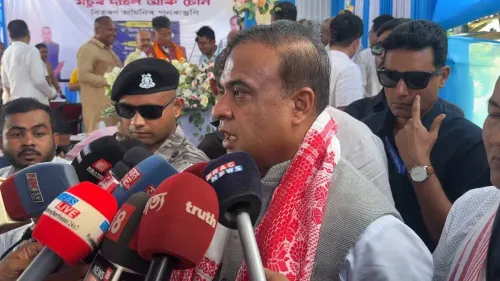
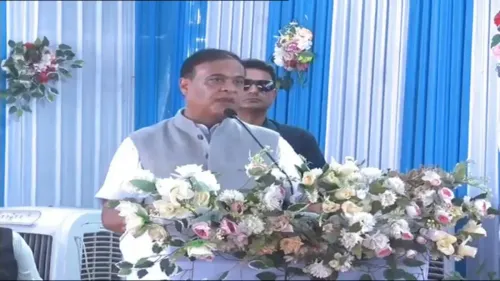
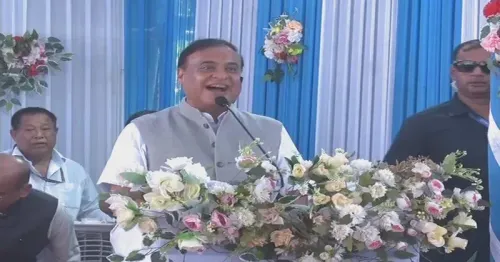
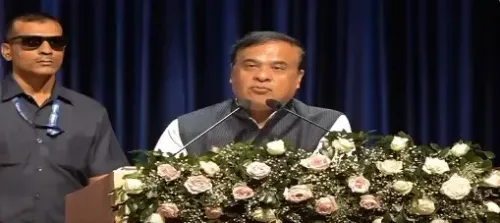
A monthly food kit priced lower than a quick-commerce delivery fee — that is the pitch Assam Chief Minister Himanta Biswa Sarma is making to more than 70 lakh families across the state. On Monday, 10 August 2026, Sarma announced the relaunch of a subsidised combo kit of Masur Dal and Sugar available at just ₹100, positioning the state government squarely against the rising cost of doorstep grocery delivery.
What the ₹100 kit means for Assam's households
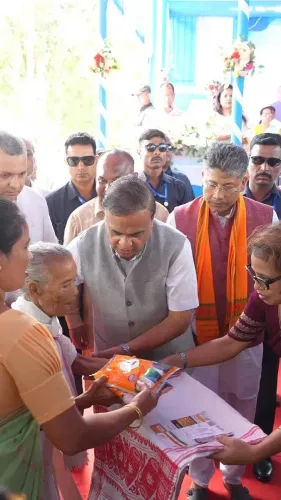
The combo kit is designed to land in the hands of over 70 lakh families every month, providing two kitchen staples — red lentils and sugar — at a price point that undercuts even the most aggressively discounted quick-commerce platforms. Sarma framed the scheme in direct consumer language: 'Prices lower than Quick Commerce? Yes it's possible in Assam.' The comparison is deliberate — quick-commerce has become a benchmark for urban convenience pricing, and invoking it signals that this scheme is meant to feel relevant beyond traditional PDS beneficiaries.
Assam's expanding PDS basket
Assam's BJP-led government has steadily widened the state's public distribution basket over recent years, adding pulses and sugar to the staple foodgrains already mandated under the National Food Security Act, 2013. The relaunch of this kit continues that trajectory — using direct price support to shield low-income households from market volatility. Several Indian states have pursued similar subsidy expansions, but the explicit quick-commerce framing here is a sharper, more urban-facing communication strategy than most.
Salt and Mustard Oil: what comes next
Sarma signalled that the scheme will not stop at dal and sugar. Subsidised salt and mustard oil are 'coming soon', rounding out the essential cooking staples that form the backbone of a typical Assamese household's monthly grocery run. Mustard oil in particular carries outsized significance in Northeast India, where it is a dietary staple — its inclusion would make the kit a near-complete subsidy on everyday cooking essentials.
The real test will be in the logistics: monthly offtake numbers, supply-chain reliability, and whether the 70 lakh family coverage figure holds at scale. But the political signal is already clear — in a state where kitchen-table economics matter enormously, CM Sarma is making the government the cheapest grocer in town.
Frequently Asked Questions
What is the Assam ₹100 subsidised kit?
It is a state government combo kit containing Masur Dal and Sugar, relaunched on 10 August 2026 at a price of ₹100, aimed at providing affordable kitchen staples to over 70 lakh families in Assam every month.
Who is eligible for the Assam subsidised Masur Dal and Sugar scheme?
The scheme targets low-income households in Assam, with the government citing over 70 lakh families as the intended beneficiaries under the monthly distribution programme.
When was the Assam ₹100 food kit relaunched?
Assam Chief Minister Himanta Biswa Sarma announced the relaunch on Monday, 10 August 2026.
Will Assam also provide subsidised salt and mustard oil?
Yes. CM Sarma announced that subsidised salt and mustard oil kits are 'coming soon' as the next phase of the scheme, which would extend the subsidy to cover core cooking essentials used in Assamese households.
How does the Assam food kit compare to quick-commerce prices?
CM Sarma explicitly claimed the ₹100 combo kit is priced lower than what consumers would pay on quick-commerce grocery delivery platforms, using that comparison to highlight the scheme's affordability.