CM Himanta Showcases Assam's School Upgrades on Education Day
Synopsis
On National Education Day 2026, Assam CM Himanta Biswa Sarma shared images of modernised classrooms, underscoring the state's school infrastructure push under the National Education Policy 2020 framework and its ambition to give every child a quality learning environment.
Key Takeaways
CM Himanta Biswa Sarma marked National Education Day (11 November) by showcasing upgraded school classrooms across Assam.
National Education Day commemorates the birth anniversary of Maulana Abul Kalam Azad, India's first Education Minister.
Assam's school upgrades align with the National Education Policy 2020 framework, which prioritises modern infrastructure and foundational literacy.
Northeastern states, including Assam, have been directing resources to close regional gaps in school quality.
CM Sarma emphasised that the goal is to give every child the opportunity to 'learn, grow and realise their full potential.' The next phase to watch: rollout of NEP-aligned curriculum updates and teacher training alongside physical infrastructure improvements.
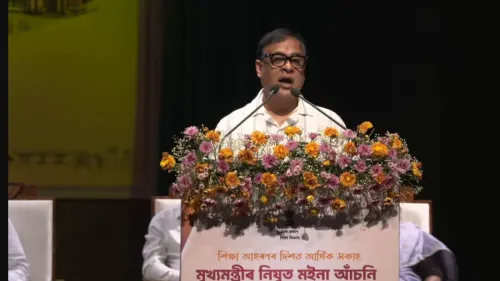
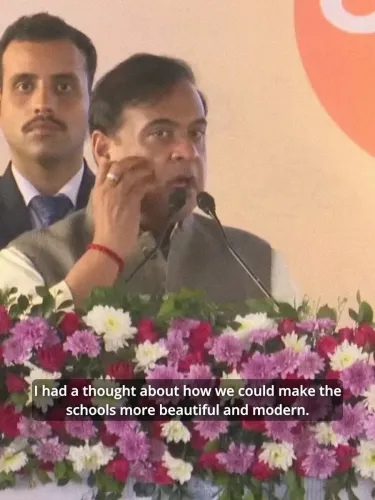
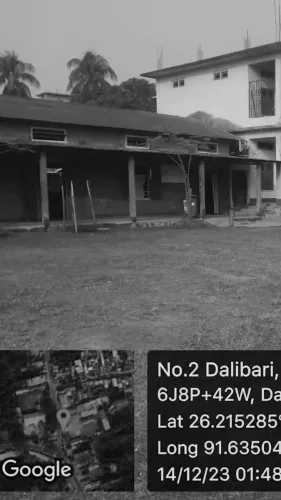
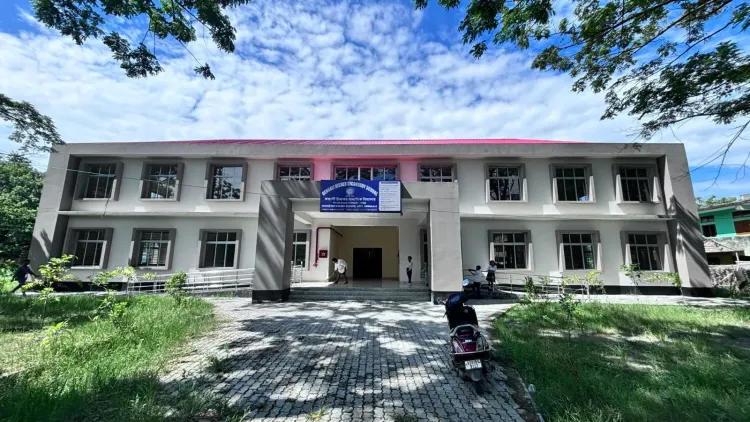
On National Education Day, 11 November 2026, Assam Chief Minister Himanta Biswa Sarma shared a glimpse of upgraded classrooms across the state, framing modern school infrastructure as the bedrock of every child's future in Assam's northeast.
A Day That Demands More Than Speeches
National Education Day is observed every year on 11 November to mark the birth anniversary of Maulana Abul Kalam Azad, independent India's first Education Minister. It is a day the country uses to take stock — not just to celebrate history, but to measure how far the classroom has actually come. CM Sarma chose to mark it with images rather than announcements, letting the transformed learning spaces speak for themselves.
'Education is the foundation on which every dream is built,' he wrote, adding that Assam's schools are 'creating an environment where every child has the opportunity to learn, grow and realise their full potential.'
NEP 2020 and Assam's Infrastructure Push
The upgrades CM Sarma highlighted sit within a larger national frame: the National Education Policy 2020, India's sweeping blueprint for transforming school education with a focus on foundational literacy, equitable access, and modern learning environments. Northeastern states, including Assam, have directed resources toward closing a long-standing regional gap in school quality — one that has historically left children in the region at a disadvantage relative to peers in more urbanised states.
Assam's school infrastructure drive reflects that NEP-aligned push: better classrooms, updated facilities, and learning spaces designed to hold a child's attention rather than lose it. The Chief Minister's framing — 'the future taking shape in our classroom' — signals an intent to position education reform as a centrepiece of his administration's development narrative.
What the Students Now Walk Into
For the children and teachers who fill these classrooms every morning, the stakes are concrete. A well-lit, properly equipped classroom changes the texture of a school day — it signals that the state sees you, invests in you, expects something of you. That psychological shift is as real as any syllabus reform. The broader pattern across Indian states shows that infrastructure investment and curriculum modernisation, when they move together, produce measurable gains in enrolment and retention.
Assam's next test will be whether the physical upgrades are matched by updated curriculum frameworks and teacher training under NEP-aligned schemes — the hardware matters, but so does what runs on it.
Point of View
CM Sarma is making a deliberate visual argument — that Assam's development story is now being written inside school walls, not just in infrastructure corridors. It is a politically astute move in a state where improving school quality has direct electoral resonance with parents and first-generation learners. The framing also anchors Assam's efforts to the credibility of NEP 2020, a central government flagship, reinforcing the BJP's governance continuity narrative across Delhi and Dispur. The real measure, however, will come from independent assessments of learning outcomes, not from the aesthetics of the classrooms themselves.
NationPress
11 Nov 2026
Frequently Asked Questions
Why is National Education Day celebrated on 11 November?
National Education Day is observed on 11 November every year to commemorate the birth anniversary of Maulana Abul Kalam Azad , India's first Education Minister, who served from 1947 to 1958 and was a strong advocate for universal education.
What school improvements has Assam made under NEP 2020?
Assam has been investing in modern classrooms and improved school infrastructure aligned with the National Education Policy 2020 , which calls for equitable access, foundational literacy, and updated learning environments, particularly in northeastern states that have historically faced resource gaps.
What is the National Education Policy 2020?
The National Education Policy 2020 is India's comprehensive framework for transforming school and higher education. It emphasises foundational literacy and numeracy, modern infrastructure, flexible curricula, and equitable access — replacing an earlier policy that had been in place since 1986.
What did CM Himanta Biswa Sarma post on National Education Day 2026?
On 11 November 2026 , CM Himanta Biswa Sarma shared images of upgraded school classrooms in Assam, stating that 'education is the foundation on which every dream is built' and highlighting the state's efforts to provide modern learning spaces for every child.
How is Assam addressing the education gap in northeast India?
Assam has been directing state resources toward school infrastructure upgrades — better classrooms, modern facilities, and improved learning environments — as part of a broader NEP 2020-aligned drive to close the quality gap between northeastern and more urbanised Indian states.