CM Himanta flags dialysis concerns in Dibrugarh, vows personal oversight
Synopsis
Assam Chief Minister Himanta Biswa Sarma has committed to personally monitoring improvements to dialysis services in Dibrugarh after receiving direct public feedback, signalling high-level political attention to chronic kidney care access in eastern Assam.
Key Takeaways
CM Himanta Biswa Sarma responded publicly on 30 October 2026 to citizen concerns about dialysis services in Dibrugarh .
He pledged that the concerns would be 'promptly addressed' and that he would personally monitor implementation of changes.
Dibrugarh has a government medical college and district hospital providing dialysis — critical for eastern Assam patients who cannot afford or access Guwahati-based tertiary care.
Assam has prioritised expanding dialysis units across district hospitals to reduce out-of-pocket expenditure on chronic kidney disease treatment.
Sarma has an established pattern of using direct social-media feedback to trigger administrative follow-up on district-level health grievances.
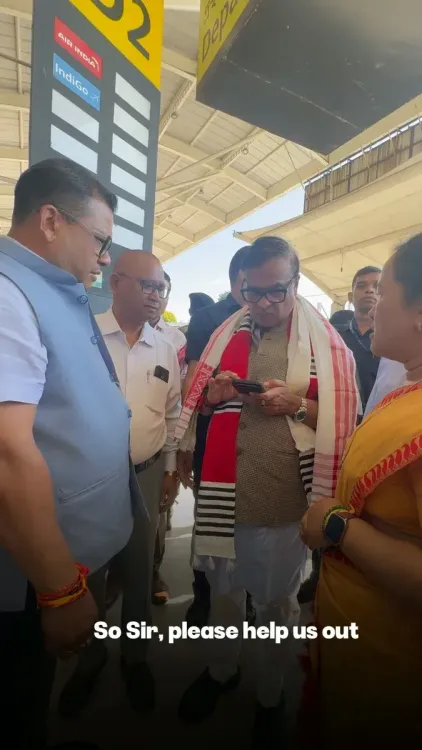
A public grievance about dialysis services in Dibrugarh has landed directly on the desk of Assam Chief Minister Himanta Biswa Sarma — and he has made clear he intends to stay on top of it himself. Responding to citizen feedback on Friday, 30 October 2026, Sarma said the concerns raised would be 'promptly addressed' and that he would personally monitor the implementation of any changes.
What Sarma said — and why the personal pledge matters
In his post, Sarma wrote: 'This is the direct feedback I look forward to, which helps us bring qualitative changes to existing services. The concerns raised regarding dialysis related services in Dibrugarh will be promptly addressed and I will personally monitor that changes are implemented accordingly.'
The language is deliberate. A chief minister invoking personal monitoring is a step above a routine departmental referral — it signals that the complaint has cleared the threshold of political attention and that the Health Department can expect follow-up from the top floor.
Dibrugarh's dialysis gap and what the state has been working toward
Dibrugarh, a district in eastern Assam, is home to a government medical college and district hospital that provides specialised care including dialysis for patients with chronic kidney disease. Dialysis is among the most cost-intensive recurring treatments in secondary healthcare — patients typically require sessions multiple times a week for years, making proximity and reliability of the nearest government unit a life-altering variable.
Assam has, over successive administrations including Sarma's, pushed to expand dialysis units across district hospitals as a direct lever against out-of-pocket health expenditure. For families in a district like Dibrugarh — far from Guwahati's tertiary facilities — a functional local unit is not a convenience; it is the difference between manageable care and financial ruin.
A feedback loop by design, not accident
Sarma's response fits a recognisable pattern in his administration: using social media not just to broadcast, but to receive. Direct public complaints routed through platforms like X have repeatedly triggered documented follow-up on district-level service failures under his watch. The model turns a tweet into a de facto grievance ticket — visible, timestamped, and politically costly to ignore.
Whether the specific fixes for Dibrugarh's dialysis services materialise into a formal health department order or an on-ground audit will be the real test. The chief minister has now staked his name on the outcome.
Point of View
Direct accountability delivered through social media. It compresses the distance between a patient's grievance and the chief minister's office, but the test is always in the follow-through — formal orders, inspections, and measurable service improvements. For BJP in Assam, where healthcare access in districts like Dibrugarh carries electoral weight, delivering on such pledges matters as much as making them. The broader arc here is the state's ongoing effort to make secondary healthcare in the northeast genuinely self-sufficient, reducing the patient burden of travelling to Guwahati for routine but vital procedures like dialysis.
NationPress
31 Oct 2026
Frequently Asked Questions
What did Assam CM Himanta Biswa Sarma say about Dibrugarh dialysis services?
CM Sarma said that concerns raised about dialysis services in Dibrugarh would be promptly addressed and that he would personally monitor the implementation of any changes.
Where is Dibrugarh and what health facilities does it have?
Dibrugarh is a district in eastern Assam. It has a government medical college and district hospital that provides specialised services, including dialysis for patients with chronic kidney disease.
Why is dialysis access important in districts like Dibrugarh?
Dialysis patients require treatment multiple times a week, often for years. Without a reliable government unit nearby, families face heavy out-of-pocket costs or long journeys to tertiary hospitals in cities like Guwahati.
Has the Assam government been expanding dialysis services?
Yes. Assam has prioritised expanding dialysis units in district hospitals under successive administrations, including CM Sarma's, as a way to reduce out-of-pocket expenditure on chronic kidney care.
How does CM Sarma typically handle public health complaints on social media?
Sarma has an established pattern of using direct citizen feedback on platforms like X to trigger administrative follow-up on district-level service failures, effectively turning public posts into monitored grievance tickets.