CM Himanta Chairs Assam Health Review, Pushes Critical Care Blocks
Synopsis
Chief Minister Dr. Himanta Biswa Sarma chaired a health review meeting on 26 October 2026, assessing Assam's Critical Care Hospital Blocks, maternal and infant mortality, dialysis services, and health manpower — directing officials to ensure timely district-level progress.
Key Takeaways
Himanta Biswa Sarma chaired a healthcare review meeting on 26 October 2026 .
The review covered Critical Care Hospital Blocks , maternal and infant mortality, dialysis services, and health manpower.
HCM directed officials to ensure timely progress on Critical Care Hospital Blocks across all districts.
The Critical Care Hospital Blocks scheme aims to establish intensive and emergency care units in district hospitals.
Assam's health reviews align with national frameworks including the National Health Mission and PM-ABHIM .
The meeting reflects ongoing administrative oversight since May 2021 under the current Chief Minister.
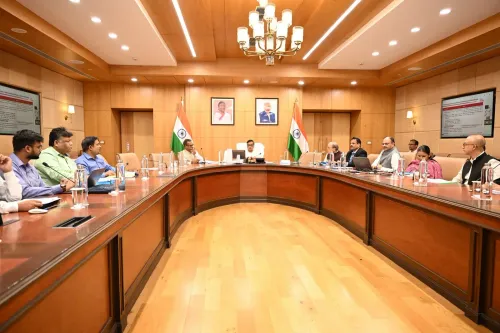
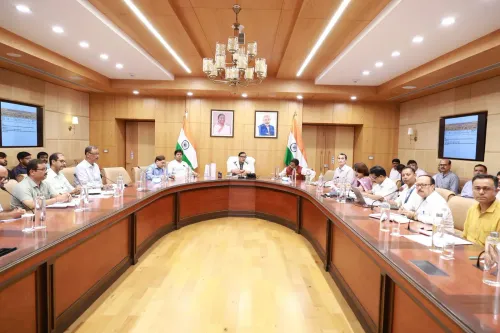
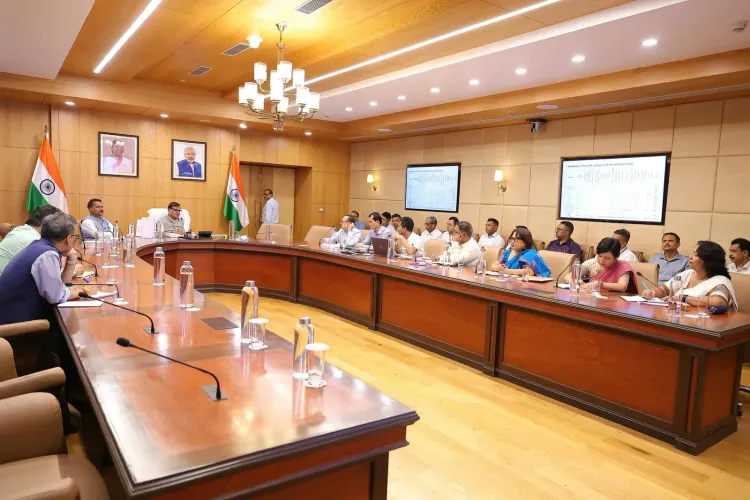
Assam's public healthcare system came under the direct scanner of the state's top office on Monday, 26 October 2026, as Chief Minister Dr. Himanta Biswa Sarma chaired a comprehensive review meeting covering everything from district-level infrastructure to maternal and infant mortality — signalling that health delivery remains a live political and administrative priority for the government.
The Chief Minister's Office of Assam confirmed that the meeting assessed critical health initiatives, dialysis services, manpower availability, and key mortality indicators. Most pointedly, HCM Dr. Himanta Biswa Sarma directed officials to ensure timely progress on Critical Care Hospital Blocks across districts — a state-level infrastructure drive to establish intensive and emergency care units in district hospitals that serve populations far from tertiary urban centres.
What the Critical Care Hospital Blocks push means for districts
The Critical Care Hospital Blocks scheme sits at the heart of Assam's ambition to bring life-saving emergency infrastructure closer to rural and semi-urban populations. District hospitals have historically been the first serious port of call for critical cases — road accidents, obstetric emergencies, organ failure — yet they have lacked the intensive care capacity to stabilise patients before transfer or treat them in place. Delivering these blocks on time is therefore not a bureaucratic milestone; it is a direct variable in whether patients survive. Dr. Himanta Biswa Sarma brings unusual authority to this brief: before becoming Chief Minister in May 2021, he served as the state's health minister and oversaw earlier rounds of health-sector restructuring. His institutional memory of where past projects stalled gives this directive a sharper edge than a routine ministerial nudge.Maternal mortality, dialysis, and the manpower gap under review
Beyond bricks and mortar, the meeting zeroed in on maternal and infant mortality — metrics that function as a composite report card on how well frontline health workers, supply chains, and facility-readiness converge. Assam has historically posted maternal mortality ratios above the national average, making sustained review of these numbers a political as much as a public-health imperative. The inclusion of dialysis services in the review signals an awareness of the rising burden of chronic kidney disease in the state — a condition that demands expensive, repeated treatment and has long been inaccessible to patients outside Guwahati without private-sector costs. Expanding and auditing dialysis capacity fits within the broader National Health Mission and PM-ABHIM frameworks that Assam is implementing at the state level. Manpower — the chronic weak link in India's public health architecture — also came under scrutiny. Blocks without staff are structures, not services. The review's attention to human-resource deployment alongside infrastructure suggests the government is tracking both in tandem, which is the only way either moves the mortality needle. District health officials now carry specific directions from the Chief Minister's office. The real test will be the next quarterly indicator update — and whether the Critical Care Hospital Blocks across Assam's districts have timelines attached to them that hold.Point of View
Not just a departmental one. The focus on Critical Care Hospital Blocks reflects a wider national pattern of states racing to demonstrate emergency-care depth after post-pandemic scrutiny. For Assam specifically, bringing maternal mortality and dialysis access under the same review frame suggests an attempt to address both acute and chronic disease burdens simultaneously — an approach that will only convert to outcomes if the manpower and supply-chain gaps flagged are actually closed at the district level.
NationPress
26 Oct 2026
Frequently Asked Questions
What is the Critical Care Hospital Blocks scheme in Assam?
The Critical Care Hospital Blocks scheme is a state-level infrastructure project to build intensive and emergency care units inside district hospitals, bringing critical-care capacity closer to rural and semi-urban patients.
What did CM Himanta Biswa Sarma direct in the health review meeting?
CM Dr. Himanta Biswa Sarma directed officials to ensure timely progress on Critical Care Hospital Blocks across Assam's districts and reviewed maternal and infant mortality, dialysis services, and health manpower.
Why does Assam focus on maternal and infant mortality in health reviews?
Assam has historically recorded maternal mortality ratios above the national average, making these indicators a key benchmark for the state government's healthcare performance and a requirement under the National Health Mission.
What national health frameworks is Assam implementing?
Assam is implementing initiatives under the National Health Mission and PM-ABHIM (Pradhan Mantri Ayushman Bharat Health Infrastructure Mission), which provide the central framework for district-level infrastructure and service delivery improvements.
When did Himanta Biswa Sarma become Chief Minister of Assam?
Dr. Himanta Biswa Sarma became Chief Minister of Assam in May 2021 . Before that he served as the state's health minister, giving him direct institutional knowledge of the health sector he now oversees as CM.