CM Himanta Flags Assam's Healthcare and Medical Education Push
Synopsis
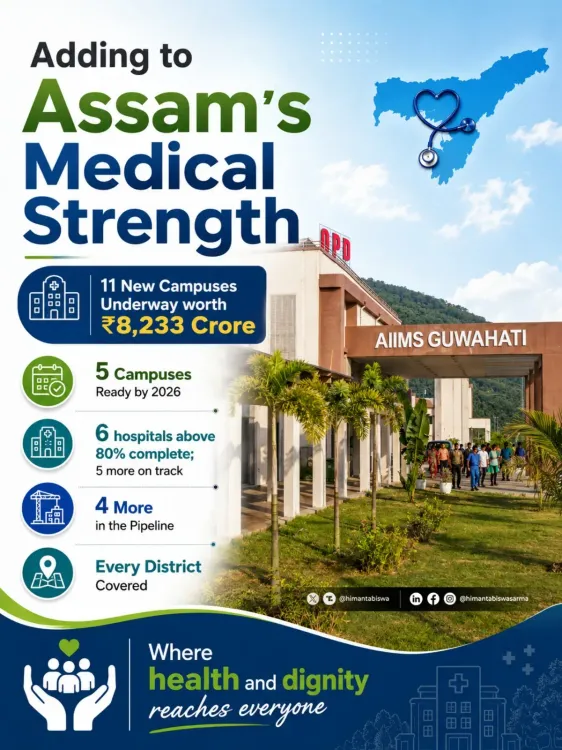
Assam Chief Minister Himanta Biswa Sarma on 24 June 2026 highlighted the state's healthcare transformation, stressing advances in access, medical education, and skilled workforce development as the foundation of a healthier Assam.
Key Takeaways
CM Himanta Biswa Sarma framed Assam's healthcare push as a mission to change lives, not just build hospitals.
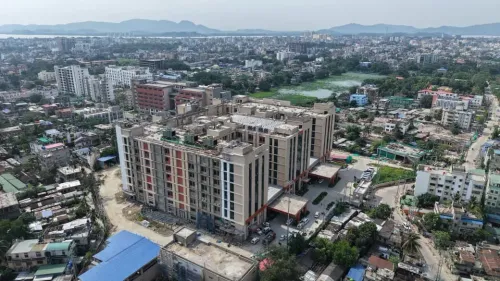
Five new government medical colleges were sanctioned in districts including Dhubri , Nagaon , and Nalbari from 2016 onward to address specialist shortages.
Ayushman Bharat PM-JAY was integrated with Atal Amrit Abhiyan in 2018 , extending cashless coverage to over 30 lakh families .
The Sarma administration post- 2021 expanded postgraduate medical seats and launched faculty recruitment drives.
District-level colleges aim to correct regional imbalances in doctor distribution across Assam .
The next Assam assembly session is expected to be watched for supplementary budget allocations for super-specialty blocks.
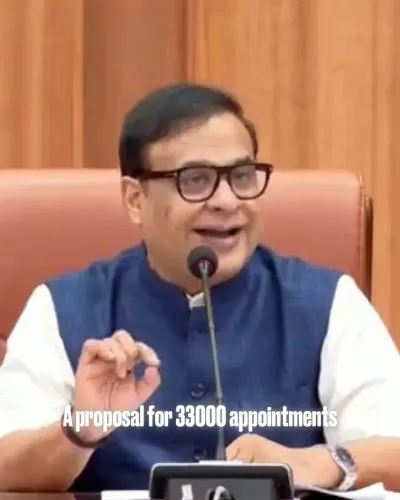
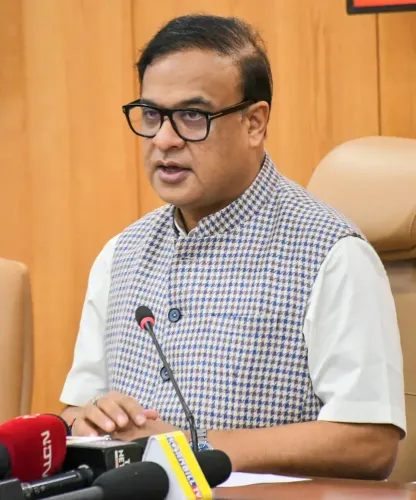
Assam Chief Minister Himanta Biswa Sarma on Wednesday, 24 June 2026 highlighted the state's ongoing healthcare transformation, framing it as a mission to change lives rather than merely build infrastructure. The Chief Minister underscored advances in healthcare access, modern medical education, and the creation of a new generation of skilled professionals as cornerstones of a healthier Assam.
Context
In his post, Sarma wrote: 'Assam's healthcare transformation is not just about building hospitals, it is about changing lives. Better healthcare access, modern medical education and a new generation of skilled professionals are laying the foundation for a healthier Assam.' The statement reflects a deliberate shift in political messaging — from counting physical assets to emphasising human outcomes. Assam has historically grappled with acute doctor shortages and terrain-related barriers that left large rural populations without specialist care.
Policy Backdrop
The groundwork for the current push dates to 2016, when the then-Sonowal government sanctioned five new government medical colleges in districts including Dhubri, Nagaon, and Nalbari to address chronic specialist shortages. In 2018, Assam integrated the national Ayushman Bharat PM-JAY scheme with the pre-existing Atal Amrit Abhiyan, extending cashless health coverage to over 30 lakh families for secondary and tertiary care. After assuming office in May 2021, the Sarma administration — building on his own earlier tenure as state Health Minister — accelerated postgraduate seat expansion and launched faculty recruitment drives in existing colleges.
Stakeholders and Impact
The beneficiaries of these reforms span several groups: rural patients who previously travelled to Guwahati or outside the state for specialist treatment, medical students gaining access to expanded MBBS and postgraduate seats closer to home, and healthcare professionals who now have more institutional postings within Assam. District-level medical colleges are also designed to correct longstanding regional imbalances in doctor distribution, a structural problem that has persisted across northeastern states for decades. The dual focus on physical infrastructure and skilled manpower mirrors strategies adopted in other states seeking to reduce out-migration for medical treatment.
Assam's health push fits within the broader central government programme linking hospital construction to medical education expansion across the Northeast. By anchoring new colleges in underserved districts rather than concentrating them in Guwahati, the state is attempting to build a self-sustaining healthcare ecosystem that retains trained doctors in the regions that need them most.
What's Next
Attention will now turn to the operational status of recently sanctioned medical colleges and whether the next Assam assembly session allocates supplementary funds for super-specialty blocks. The Chief Minister's framing of healthcare as a 'life-changing' mission suggests further policy announcements are likely, potentially covering telemedicine, rural health sub-centres, or incentive schemes to retain doctors in remote postings. How quickly the new colleges reach full operational capacity will be the clearest test of whether the transformation rhetoric translates into measurable outcomes on the ground.
Point of View
Beds added — to outcome language centred on lives changed and professionals trained, a framing that has broader electoral resonance ahead of any future state cycle. The emphasis on medical education alongside service delivery is significant: it signals a long-term state-building argument, not just a welfare pitch. Assam's integration of central schemes with its own legacy programmes also reflects a template that BJP-governed northeastern states have refined to maximise both coverage optics and fiscal leverage from New Delhi. Whether the on-ground commissioning of new colleges keeps pace with the rhetoric will determine the durability of this political narrative.
NationPress
22 Sept 2026
Frequently Asked Questions
What is Assam's healthcare transformation about?
Assam's healthcare transformation focuses on expanding access to medical services, building new government medical colleges in underserved districts, and increasing the number of trained healthcare professionals across the state.
How many medical colleges has Assam added in recent years?
Five new government medical colleges were sanctioned in Assam from 2016 onward in districts including Dhubri , Nagaon , and Nalbari to address chronic specialist shortages.
What is Ayushman Bharat PM-JAY and how does it work in Assam?
Ayushman Bharat PM-JAY is a national health insurance scheme providing cashless coverage for secondary and tertiary care. In 2018 , Assam merged it with the state's own Atal Amrit Abhiyan to cover over 30 lakh families .
What has CM Himanta Biswa Sarma done for healthcare in Assam?
Since taking office in May 2021 , CM Himanta Biswa Sarma has expanded postgraduate medical seats, launched faculty recruitment drives, and continued infrastructure development under both state and central health schemes.
What are the next steps for Assam's health sector?
Observers are watching for supplementary budget allocations for super-specialty blocks in the next assembly session and for updates on the operational status of recently sanctioned medical colleges.