Assam healthcare overhaul: 11 medical colleges, ₹8,233 crore push under CM Sarma
Synopsis
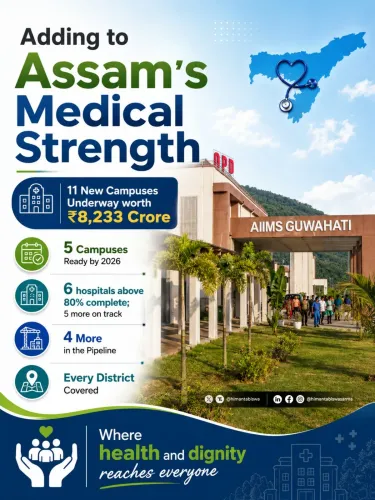
Assam is building 11 medical colleges simultaneously at ₹8,233 crore — one of the most ambitious district-level healthcare expansions by any Indian state. With five campuses due by 2026 and six hospitals already past 80% completion, CM Sarma is betting that distributed medical infrastructure can end the state's reliance on other states for specialised care.
Key Takeaways
Assam CM Himanta Biswa Sarma announced 11 new medical college campuses under construction as of 24 June 2025 .
Total investment stands at ₹8,233 crore ; five campuses are expected to be ready by 2026 .
Six hospitals linked to new colleges have crossed 80 per cent completion; five more are progressing simultaneously.
Four additional medical infrastructure projects remain in the pipeline.
The expansion aims to place a medical college in nearly every district, significantly increasing MBBS seat availability.
The drive complements AIIMS Guwahati and existing government medical colleges anchoring tertiary care in the state.
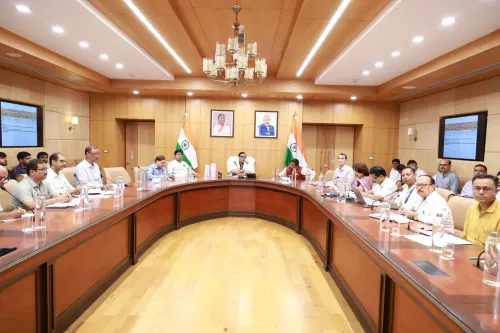
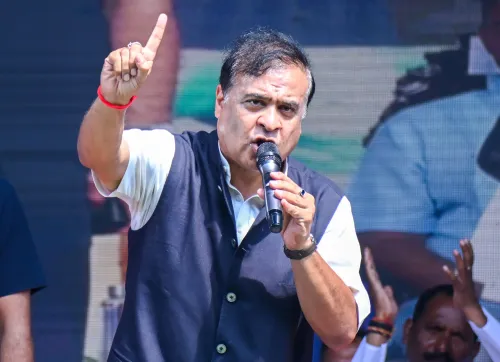
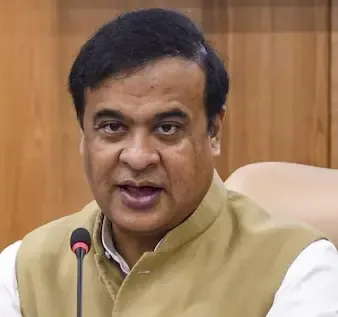
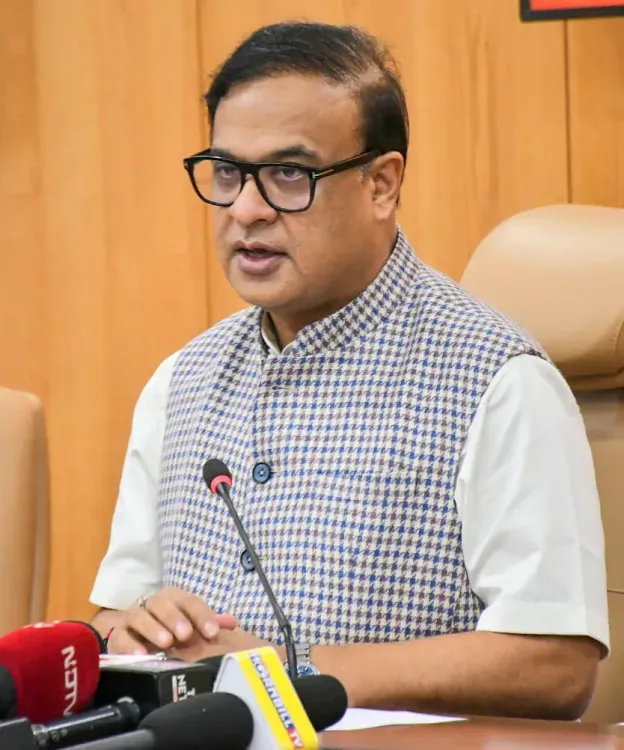
Assam Chief Minister Himanta Biswa Sarma on Wednesday, 24 June outlined an ambitious plan to overhaul the state's healthcare infrastructure, stating that 11 new medical college campuses are under construction at a combined investment of ₹8,233 crore. The push, he said, is aimed at ensuring every district in Assam gains access to quality healthcare and modern medical education.
Scale of the Expansion
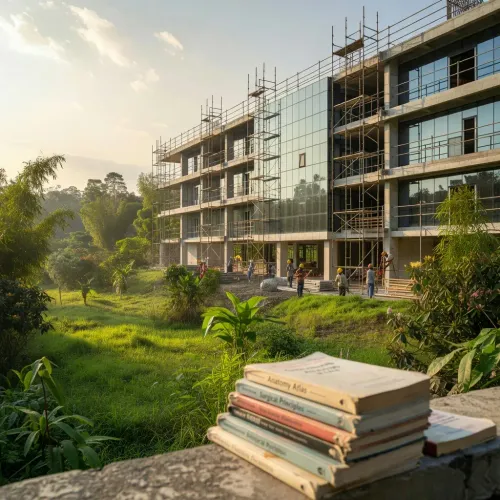
Of the 11 campuses currently being built, five are expected to be ready by 2026. Six hospitals linked to the new institutions have already crossed 80 per cent completion, while work on another five hospitals is progressing simultaneously. Four additional projects remain in the pipeline, indicating that the construction pipeline will remain active well into the next few years.
What CM Sarma Said
In a post on social media, Sarma stated that Assam's healthcare transformation is 'not merely about constructing hospitals but about changing lives through better healthcare access, modern medical education and the creation of a skilled healthcare workforce.' He added that the government's objective is to bridge regional disparities in healthcare access and strengthen the state's capacity to meet future health challenges.
Impact on Medical Education
The Chief Minister emphasised that the ongoing initiatives would help produce a new generation of doctors, nurses, and healthcare professionals, thereby reducing Assam's dependence on other states for specialised medical services and education. The state has emerged as one of the fastest-growing in terms of medical education infrastructure over the past few years, with the number of MBBS seats rising significantly.
Broader Healthcare Context
The expansion complements existing facilities such as the All India Institute of Medical Sciences (AIIMS) Guwahati and several government medical colleges that already anchor tertiary healthcare in the state. Notably, this drive to place a medical college in nearly every district marks a structural shift — from centralised urban health infrastructure toward distributed, district-level capacity. The government maintains that these investments will support long-term socio-economic development alongside improved public health outcomes.
With five campuses due for completion by 2026, the pace of delivery in the next 18 months will be the first real test of whether the ₹8,233 crore commitment translates into functional healthcare access on the ground.
Point of View
With a verifiable ₹8,233 crore price tag and a 2026 deadline for five of them. The harder question is operational readiness: buildings are trackable, but faculty recruitment, equipment procurement, and hospital accreditation timelines rarely match construction schedules. India has seen completed medical college shells sit underutilised for years in other states. Whether Assam can staff and operationalise these institutions as fast as it is building them will determine whether this becomes a genuine public health shift or a ribbon-cutting exercise.
NationPress
22 Sept 2026
Frequently Asked Questions
How many medical colleges is Assam building and what is the investment?
Assam is currently constructing 11 new medical college campuses at a combined estimated investment of ₹8,233 crore , according to Chief Minister Himanta Biswa Sarma. The project is part of the state government's plan to place medical education infrastructure in nearly every district.
When will the new medical colleges in Assam be ready?
Five of the 11 campuses are expected to be ready by 2026 . Six hospitals linked to the new institutions have already crossed 80 per cent completion, while five more hospitals are under simultaneous construction and four additional projects are in the pipeline.
Why is Assam expanding its medical college network?
The Assam government aims to bridge regional disparities in healthcare access and reduce the state's dependence on other states for specialised medical services and education. CM Sarma stated the goal is to ensure every district benefits from improved healthcare facilities and to produce more doctors, nurses, and healthcare professionals locally.
How does this expansion relate to AIIMS Guwahati?
The new medical colleges are intended to complement existing institutions such as AIIMS Guwahati and government medical colleges that currently anchor tertiary healthcare in Assam. The district-level expansion addresses primary and secondary care gaps that centralised facilities alone cannot cover.
What is the broader significance of Assam's healthcare push?
Assam has emerged as one of India's fastest-growing states in medical education infrastructure over the past few years. The ₹8,233 crore investment, if delivered on schedule, would significantly increase MBBS seat availability and support long-term socio-economic development across the state.