CM Himanta Reviews Assam's 15 Medical College Projects
Synopsis
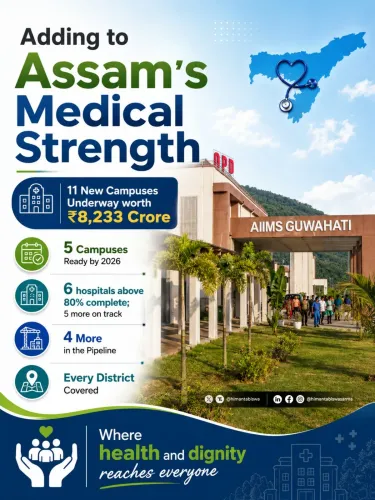
Assam Chief Minister Himanta Biswa Sarma reviewed progress on 11 ongoing and 4 upcoming medical colleges on June 21, 2026, calling it the state's largest-ever healthcare expansion. The push aims to end Assam's dependence on out-of-state tertiary care by building world-class, sustainable medical campuses across the region.
Key Takeaways
Himanta Biswa Sarma reviewed 11 ongoing and 4 upcoming medical colleges and hospitals in Assam on June 20, 2026 .
The Chief Minister described the expansion as the biggest in Assam's healthcare history .
Project priorities include seamless completion, world-class medical and nursing infrastructure , and green, sustainable campuses .
Assam has historically depended on out-of-state facilities; the expansion aims to build local tertiary care capacity for over 35 million residents .
The National Medical Commission (NMC) must inspect and approve each new college before student admissions can begin.
Central support under Pradhan Mantri Swasthya Suraksha Yojana (PMSSY) has underpinned Assam's medical college pipeline since 2018-19 .
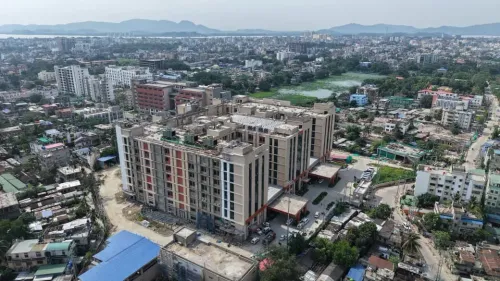
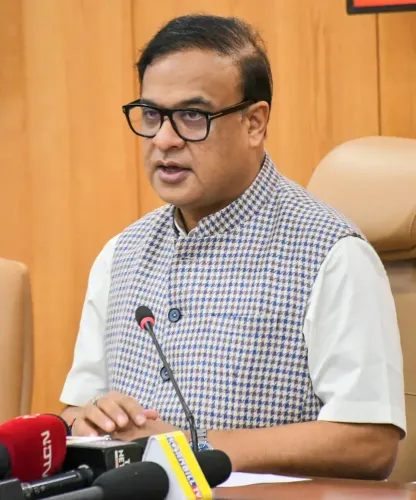
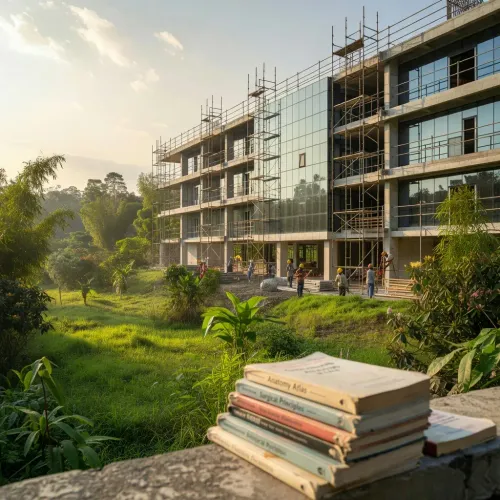
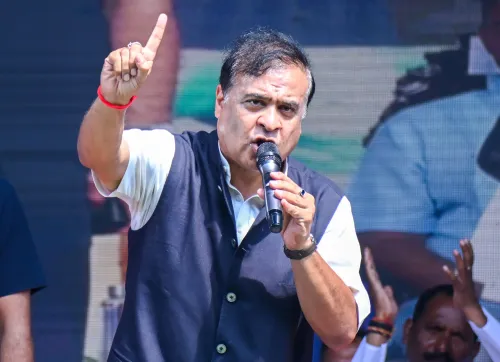
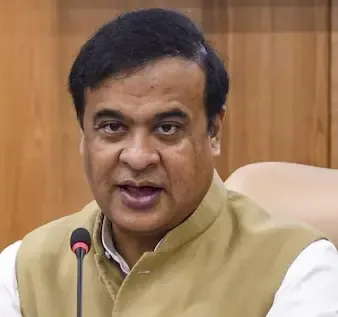
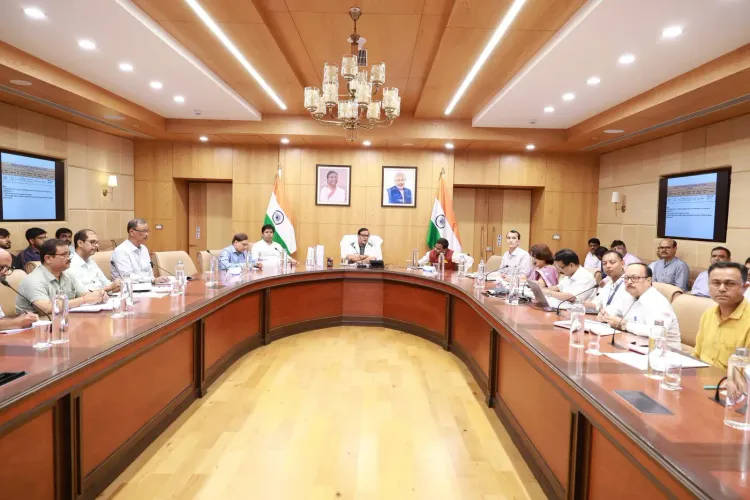
Assam Chief Minister Himanta Biswa Sarma on Sunday, June 21, 2026, said he had reviewed the progress of 11 ongoing and 4 upcoming medical colleges and hospitals across the state, describing the expansion as the biggest in Assam's healthcare history. The Chief Minister said the government's focus spans seamless project completion, world-class medical and nursing infrastructure, and the development of green, sustainable healthcare campuses.
Context
Assam, a northeastern state with over 35 million residents, has historically been heavily dependent on out-of-state medical facilities in cities such as Vellore, Chennai, and Kolkata for tertiary care. The shortage of local medical colleges has long meant that patients travel hundreds of kilometres for treatment, placing a financial and logistical burden on families. The Chief Minister's review signals a concerted push to reverse that trend within the state's own borders.
Sarma stated that the government's commitment is to 'building a robust healthcare ecosystem that Assam can rely on for decades to come.' The review was conducted the day before the post, on Saturday, June 20, 2026, with attention to timely execution and delivery across all project sites.
Policy Backdrop
Assam's medical college expansion draws on a layered policy foundation. The central government's Pradhan Mantri Swasthya Suraksha Yojana (PMSSY), launched in 2003 and expanded in successive phases, has directed funds toward establishing new government medical colleges in underserved regions, with the Northeast receiving targeted support under Phase-III approvals from 2018-19 onwards.
Following the 2021 state elections, the Assam government accelerated these projects with dedicated budget lines and structured review mechanisms. The National Medical Commission (NMC), the statutory body that replaced the Medical Council of India in 2020, is responsible for inspecting and approving each new institution before it can admit students — making timely construction directly linked to the pace at which new MBBS seats become available to students.
Assam's push also fits into a broader national pattern since 2014 of expanding MBBS seats and building medical colleges in tier-2 and tier-3 cities to correct historic regional imbalances and meet post-COVID healthcare demand.
Stakeholders and Impact
The most direct beneficiaries of the expansion are Assam's patients, who stand to gain access to tertiary and secondary care closer to home, reducing both travel costs and delays in treatment. Medical and nursing students from the Northeast, who have traditionally competed for limited government seats in distant states, would gain a significantly larger pool of local institutions.
The emphasis on green and sustainable campuses adds an environmental dimension to the infrastructure agenda, though specific timelines and certifications for this component have not been detailed in the public domain. Healthcare staff — doctors, nurses, and paramedics — represent another key stakeholder group, as new colleges generate both teaching positions and ancillary employment in the districts where they are located.
What's Next
Attention will now turn to Assam's state budget allocations for 2026-27 and whether capital expenditure for healthcare infrastructure keeps pace with the ambition outlined by the Chief Minister. NMC inspection schedules for the colleges nearing completion will be a critical near-term milestone, as regulatory clearance determines when institutions can begin enrolling students.
Any integration of the new facilities with the Ayushman Bharat Digital Health Mission infrastructure would further determine how seamlessly patients can access and navigate services across the expanded network. The Chief Minister's public review signals that project timelines are being monitored at the highest level of the state government.
Point of View
' the Chief Minister is anchoring a long-term governance narrative ahead of future electoral cycles, tying BJP's Northeast consolidation strategy to visible infrastructure delivery. The emphasis on green campuses also gestures toward a modernisation brand that goes beyond basic capacity addition. The real test, however, will be NMC clearances and enrolment timelines, which are outside the state government's direct control.
NationPress
20 Sept 2026
Frequently Asked Questions
How many medical colleges is Assam building?
As of June 2026, Assam has 11 medical college projects ongoing and 4 more in the upcoming pipeline , totalling 15 institutions under active government focus, according to Chief Minister Himanta Biswa Sarma.
Who reviewed Assam's medical college projects in June 2026?
Assam Chief Minister Himanta Biswa Sarma personally reviewed the progress of the ongoing and upcoming medical colleges on June 20, 2026 , and shared the update publicly the following day.
What is the PMSSY scheme and how does it help Assam?
The Pradhan Mantri Swasthya Suraksha Yojana (PMSSY) is a centrally sponsored scheme launched in 2003 to establish new government medical colleges and reduce regional healthcare imbalances. Assam received targeted approvals under its Phase-III from 2018-19 to expand local medical capacity in the Northeast.
Why does Assam need more medical colleges?
Assam , with over 35 million residents , has historically lacked sufficient local tertiary care, forcing patients to travel to cities like Vellore, Chennai, and Kolkata for treatment. Expanding medical colleges aims to build self-sufficient healthcare capacity within the state.
What is the National Medical Commission's role in new medical colleges?
The National Medical Commission (NMC) is the statutory regulator that must inspect and formally approve each new medical college before it can admit students, making its inspection schedule a critical factor in determining when new MBBS seats become available.