Egypt parliament grants Sisi authority to defend Saudi Arabia amid Houthi escalation
Synopsis
Egypt's parliament has voted — by a two-thirds supermajority — to hand President Sisi a direct military mandate to defend Saudi Arabia. The vote came hours after Houthi forces claimed a ballistic missile strike on Riyadh's King Khalid International Airport and drone attacks on Saudi oil pipelines. Cairo's formal entry into the Saudi-Houthi conflict is a potentially decisive shift in the regional balance.
Key Takeaways
Egypt's parliament approved a two-thirds majority authorisation on 26 October 2026 empowering President Abdel Fattah El-Sisi to take military measures to defend Saudi Arabia .
The mandate covers defence of Saudi Arabia's sovereignty and holy sites against external attacks, per a National Defence Council decision of 18 October .
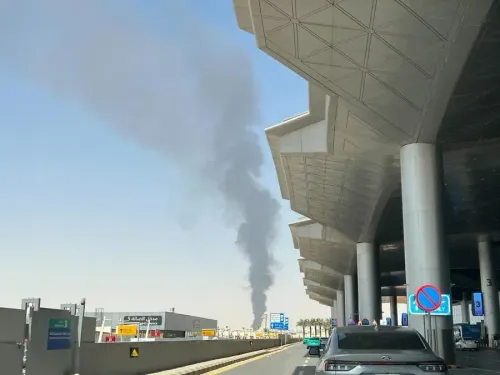
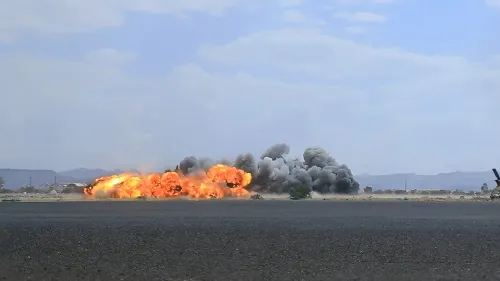
Houthi spokesperson Yahya Saree claimed a ballistic missile strike on King Khalid International Airport in Riyadh and drone attacks on Saudi Arabia's East-West oil pipeline on the same day.
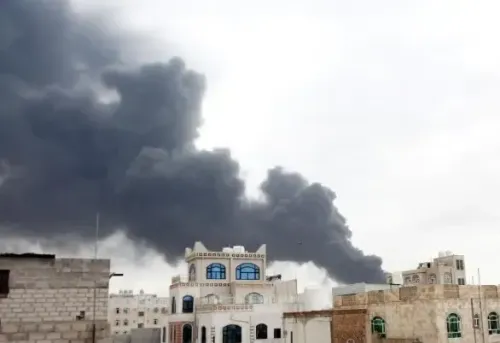
Saudi airstrikes simultaneously struck Yemen's capital Sanaa ; casualties and damage details were not immediately available.
Egypt's authorisation does not automatically trigger deployment — it requires a formal Saudi request before Sisi can act.
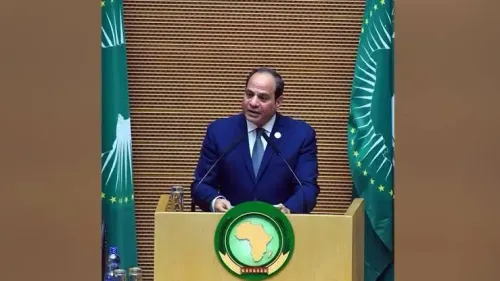
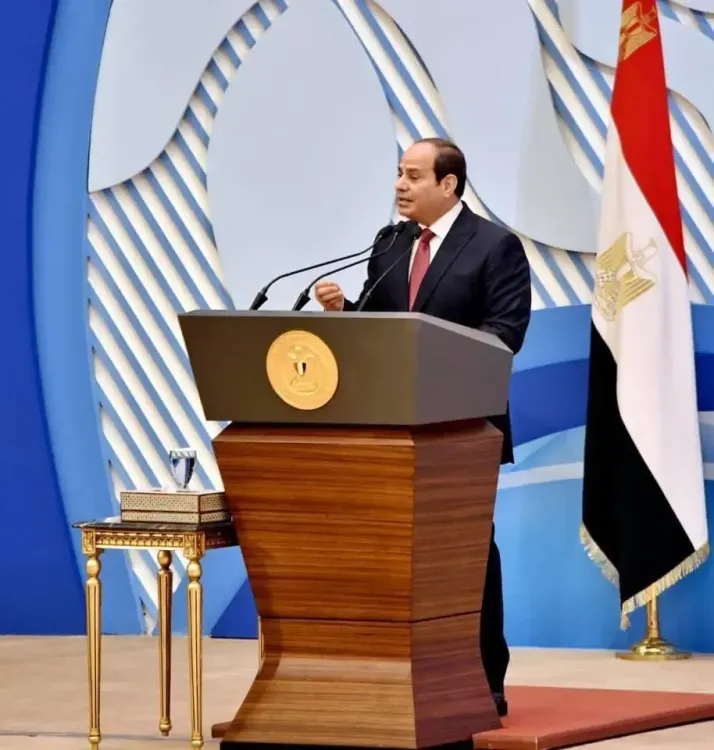
Egypt's parliament on Monday, 26 October 2026, approved by a two-thirds majority an authorisation granting President Abdel Fattah El-Sisi the power to take all necessary measures to support and defend Saudi Arabia — including its sovereignty and holy sites — against any external attacks. The vote, held during a plenary session, follows a decision adopted by Egypt's National Defence Council on 18 October and comes as hostilities between Yemen's Houthi forces and Saudi Arabia sharply intensify.
What the Authorisation Covers
The parliamentary mandate empowers Sisi to intervene militarily if Saudi Arabia requests Egyptian assistance to defend its territory, sovereignty, and holy sites. The authorisation is framed strictly in defensive terms. On 17 October, Sisi had publicly stated that Egypt was prepared to take 'any measures' requested by Riyadh to protect the kingdom's security, but stressed that any action 'requires parliamentary approval.' He had called for an emergency session at the time, and parliament initially postponed the vote before passing it on Monday.
Escalating Houthi-Saudi Hostilities
The Egyptian parliamentary vote arrives against a backdrop of rapidly escalating conflict. Saudi airstrikes struck Yemen's capital Sanaa on Monday morning, with the Houthi-run media outlet Al-Masirah TV describing the strikes as 'Saudi aggression.' Local residents in Sanaa reported hearing loud explosions across the city. Details on casualties and damage were not immediately available.
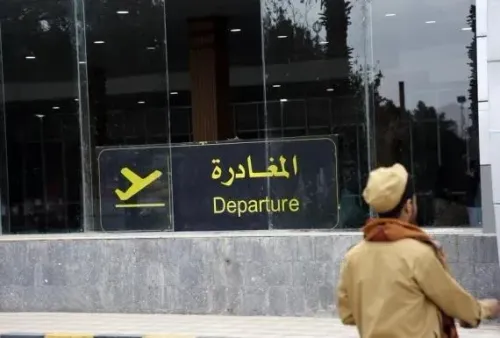
Houthi military spokesperson Yahya Saree announced in statements posted on social media platform X early Monday that the group launched a ballistic missile at King Khalid International Airport in Riyadh, claiming it struck the airport 'accurately.' Saree added that Houthi forces also launched multiple drones targeting crude oil pumping stations along Saudi Arabia's East-West pipeline, claiming 'accurate hits.' Saudi authorities had not immediately commented on these claims.
Why Egypt's Move Matters
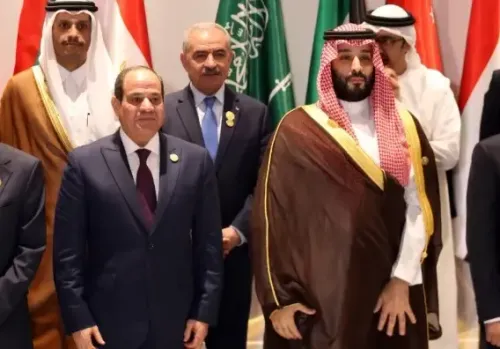
Egypt's formal parliamentary authorisation is a significant escalation in Cairo's posture toward the Yemen conflict. While Egypt has historically supported the Saudi-led coalition diplomatically and logistically, a direct military mandate of this scope marks a qualitative shift. Notably, this is the first time Egypt's parliament has voted to authorise potential military action in defence of a third country in recent memory. The move signals Cairo's strategic alignment with Riyadh at a moment when the Arab regional order faces sustained pressure from Houthi military campaigns.
This comes amid an intensifying exchange of attacks between the Saudi-led coalition and Houthi forces, who control the capital Sanaa and large swathes of Yemeni territory. The conflict, now in its second decade, has drawn in a widening circle of regional actors.
What Happens Next
The authorisation does not automatically trigger Egyptian military deployment — it empowers Sisi to act if and when Saudi Arabia formally requests assistance. Analysts will watch closely for any Riyadh request and for Egypt's operational response. The geopolitical stakes are considerable: Egyptian involvement could reshape the military balance in the Arabian Peninsula and draw further international scrutiny to the Yemen conflict.
Point of View
But the Houthis will not read it that way. If Riyadh does invoke this mandate, the Yemen conflict transforms from a Saudi-led coalition campaign into a broader Arab military confrontation, with unpredictable escalation dynamics. The timing — coming hours after claimed Houthi strikes on Riyadh's main airport and oil infrastructure — suggests the Egyptian move is not abstract; it is a direct response to a rapidly deteriorating security situation that both capitals evidently believe is approaching a red line.
NationPress
27 Oct 2026
Frequently Asked Questions
What did Egypt's parliament authorise regarding Saudi Arabia?
Egypt's parliament approved by a two-thirds majority on 26 October 2026 a mandate empowering President Abdel Fattah El-Sisi to take necessary measures to support and defend Saudi Arabia, its sovereignty, and its holy sites against external attacks. The authorisation follows a decision by Egypt's National Defence Council on 18 October.
Does this mean Egypt will immediately send troops to Saudi Arabia?
Not automatically. The authorisation gives President Sisi the legal power to act if Saudi Arabia formally requests Egyptian military assistance. It does not trigger an automatic deployment, and Sisi has emphasised the action would be strictly defensive in nature.
What Houthi attacks prompted this escalation?
Houthi military spokesperson Yahya Saree claimed on Monday that the group launched a ballistic missile at King Khalid International Airport in Riyadh and drone strikes on crude oil pumping stations along Saudi Arabia's East-West pipeline. Saudi authorities had not immediately confirmed or denied the claims.
What did Egypt's President Sisi say before the vote?
On 17 October, Sisi said Egypt was prepared to take 'any measures' requested by Saudi Arabia to defend its security and sovereignty, but stressed that such action 'requires parliamentary approval.' He called for an emergency parliamentary session at that time.
Why is Egypt's move significant in the context of the Yemen conflict?
It marks a notable shift in Cairo's posture: from diplomatic and logistical support for the Saudi-led coalition to a formal parliamentary mandate for potential military intervention. Analysts see it as the most direct Egyptian commitment to Saudi Arabia's defence since the conflict began, with significant implications for the regional balance of power.