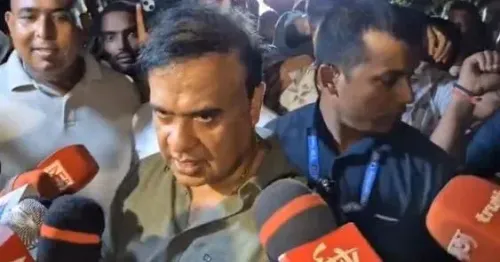
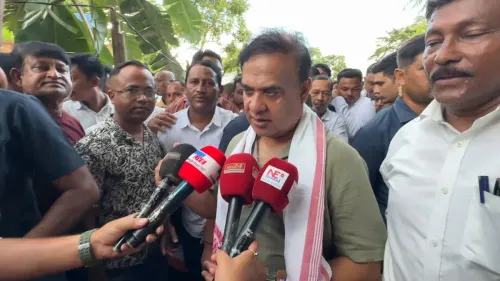
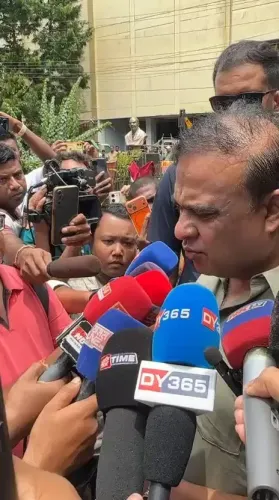
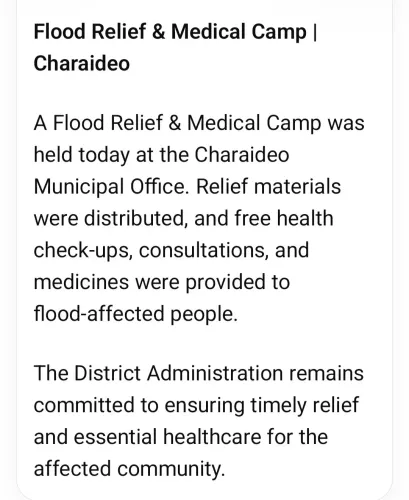
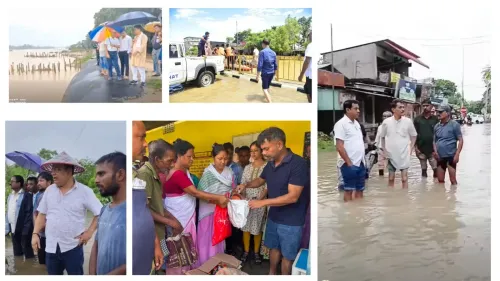
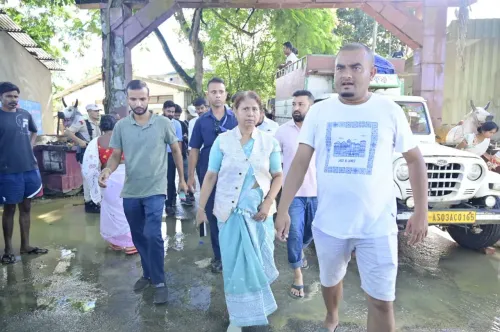
CM Himanta visits flood-hit Upper Assam, assures full support
Synopsis
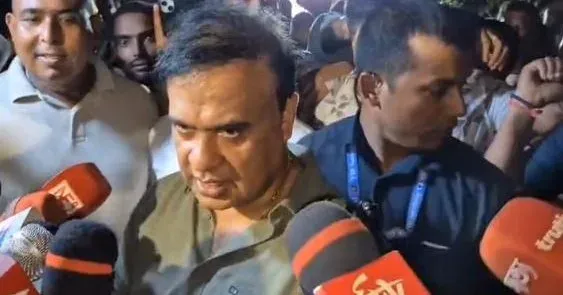
Chief Minister Himanta Biswa Sarma visited flood-hit Upper Assam on 23 July 2026, meeting affected families in Jorhat and assuring full state government support. The visit is part of Assam's annual monsoon flood response, with relief distribution and embankment work now in focus.
Key Takeaways
Chief Minister Himanta Biswa Sarma visited flood-affected areas of Upper Assam on 23 July 2026 .
He interacted directly with affected families and assured them of full government support as relief operations continue.
Jorhat district in Upper Assam is among the areas most severely impacted by the current monsoon floods.
The Brahmaputra river and its tributaries cause near-annual inundation across Upper Assam, displacing families and damaging crops.
Relief distribution, embankment restoration, and possible new dredging works are the immediate priorities following the visit.
Assam state governments have maintained a pattern of Chief Ministerial field visits during peak flood periods as part of disaster response protocol.
The Chief Minister's Office of Assam announced on Thursday, 23 July 2026 that Chief Minister Himanta Biswa Sarma visited flood-affected areas of Upper Assam, interacting directly with displaced and affected families and assuring them of full government support as relief operations continue.
Context
Assam is in the grip of its annual monsoon flood crisis, with the Brahmaputra river and its tributaries inundating large swathes of the state. Upper Assam districts, including Jorhat, have been among the worst affected, with embankment breaches and river overflows forcing families from their homes and damaging standing crops. The Chief Minister's visit signals the state administration's direct engagement with ground-level conditions during what is typically the most intense phase of the flood season.
Policy Backdrop
Assam state governments have conducted on-ground flood relief visits and ex-gratia distributions in Upper Assam districts as a standard part of monsoon response for decades. The Assam Government coordinates relief through the state disaster management machinery and works in tandem with central agencies for funding and logistics. Longer-term interventions — including embankment reinforcement and dredging of Brahmaputra tributaries — have been a recurring feature of post-flood policy commitments by successive administrations.
Chief Minister Sarma, who has helmed the state since 2021, has made direct field visits a visible part of his flood-response approach, combining on-the-spot assessment with public reassurances to affected communities. These visits also serve as a mechanism for district officials to receive real-time direction from the highest level of state government.
Stakeholders and Impact
The primary stakeholders are the flood-affected families of Upper Assam, who depend on timely government relief — including food, shelter, and compensation for crop and property loss — to recover from each monsoon cycle. Jorhat district, situated along the Brahmaputra basin, is among the regions that face near-annual inundation, making its residents particularly vulnerable to repeat displacement and livelihood disruption. Farmers, daily-wage labourers, and small traders in riverside villages bear a disproportionate share of flood losses each season.
District and block-level administration, along with the State Disaster Response Force, are the operational stakeholders responsible for translating the Chief Minister's assurances into distributed relief. Their coordination with the CMO in the immediate aftermath of a high-profile visit typically accelerates relief disbursement at the ground level.
What's Next
The focus now shifts to the actual distribution of announced relief packages to affected households in Upper Assam. Observers and local communities will watch whether the visit leads to expedited ex-gratia payments, restoration of damaged embankments, and deployment of additional rescue and relief resources in the most vulnerable pockets of Jorhat and neighbouring districts. As the monsoon season typically extends through September, further rounds of assessment and relief operations are likely before flood waters recede. Any new embankment or dredging works announced in the wake of this visit will be a key indicator of whether short-term relief is being coupled with structural mitigation measures ahead of the next flood cycle.
Point of View
The durability of impact will depend on whether this visit translates into faster ex-gratia disbursement and structural investments in embankment repair, rather than remaining a one-time reassurance. Assam's chronic flood vulnerability means that the real policy test is not the visit itself, but the infrastructure commitments that follow once the cameras leave.
NationPress
23 Jul 2026
Frequently Asked Questions
Why did Assam CM Himanta Biswa Sarma visit Upper Assam in July 2026?
Chief Minister Himanta Biswa Sarma visited Upper Assam on 23 July 2026 to assess flood damage, interact with affected families, and assure them of full state government support as relief operations were under way.
Which areas of Assam were flooded in July 2026?
Upper Assam, including Jorhat district, was among the areas affected by monsoon flooding in July 2026, with Brahmaputra river overflows and embankment breaches causing displacement and crop damage.
What relief did the Assam government promise to flood victims?
The Chief Minister's Office stated that CM Sarma assured affected families of full government support, with relief efforts ongoing; specific package details are expected to follow the field visit.
How often does Assam face floods?
Assam experiences seasonal flooding from the Brahmaputra and its tributaries almost every monsoon year, typically between June and September, affecting multiple districts including those in Upper Assam.
What long-term steps does the Assam government take after floods?
Beyond immediate relief and ex-gratia payments, the Assam government has historically pursued embankment reinforcement and dredging projects — often supported by central funds — as medium-term flood mitigation measures.