CM Himanta Extends Kati Bihu Greetings to Assam

Synopsis
Assam Chief Minister Himanta Biswa Sarma marked Kati Bihu on October 18, 2026, extending greetings to the people of Assam and invoking Maa Lakshmi's blessings for farmers and a bountiful winter harvest.
Key Takeaways
Assam CM Himanta Biswa Sarma extended Kati Bihu greetings on October 18, 2026 .
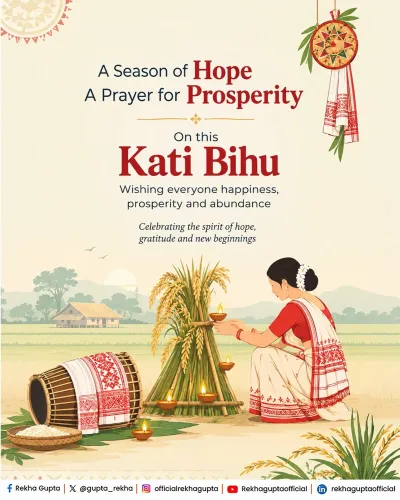
Kati Bihu is one of three Bihu festivals in Assam, observed in October-November by lighting earthen lamps in fields to protect standing crops.
The CM invoked Maa Lakshmi , seeking blessings of prosperity and a bountiful harvest for Assam's farmers.
Kati Bihu marks the pre-harvest period in the Assamese agrarian calendar, bridging sowing and harvest completion.
Paddy cultivation and the Bihu cycle remain central to Assam's rural economy and cultural identity.
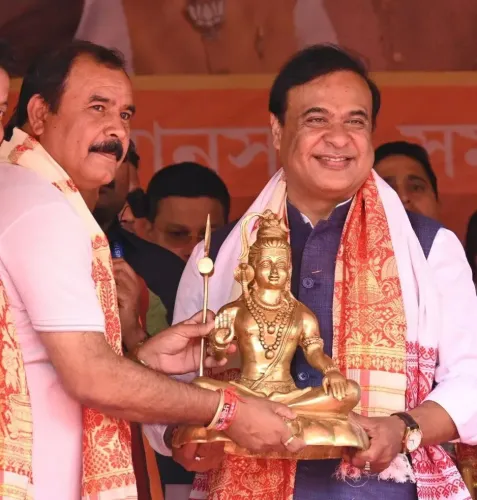
As earthen lamps flicker across paddy fields from the Brahmaputra plains to the hills of Barak, Assam Chief Minister Himanta Biswa Sarma on Sunday, October 18, 2026, extended warm greetings to the people of Assam on the occasion of Kati Bihu — the quiet, luminous festival that marks the fragile, hopeful weeks before the winter harvest.
The festival the fields wait for
Of Assam's three celebrated Bihu festivals, Kati Bihu is the most intimate. There is no drumbeat, no dancing. Instead, small earthen lamps — saki — are placed in fields and at the foot of tulsi plants, a quiet prayer that standing crops survive until harvest. The festival typically falls in the Assamese month of Kati (October-November), bridging the anxious gap between a crop that is grown but not yet gathered. CM Sarma's message spoke directly to that spirit: 'As our fields await the golden harvest, may the earthen lamps of Kati Bihu bring hope, prosperity and light into every home.'
A blessing for Assam's farmers
The Chief Minister invoked Maa Lakshmi, the goddess of prosperity, asking for 'a bountiful harvest' for Assam's farming communities — the backbone of a state where paddy cultivation remains central to both the rural economy and cultural identity. Assam's agrarian calendar is deeply intertwined with the Bihu cycle: Rongali Bihu in spring marks sowing, Kati Bihu guards the standing crop, and Bhogali Bihu in January celebrates the harvest's completion.
Point of View
And Kati Bihu carries particular resonance in Assam given the state's agrarian base. CM Sarma's message follows a well-established political tradition of aligning governance visibility with the agricultural calendar — a soft but deliberate signal of solidarity with rural voters. For a BJP government in the Northeast, invoking indigenous Assamese cultural touchstones also reinforces a broader strategy of cultural ownership. The real test will be how post-harvest farmer welfare measures follow the seasonal sentiment.
NationPress
18 Oct 2026
Frequently Asked Questions
When is Kati Bihu 2026?
Kati Bihu 2026 falls on October 18, the day on which CM Himanta Biswa Sarma extended his greetings to the people of Assam.
Why does Kati Bihu matter to Assam's farmers?
Kati Bihu marks the critical pre-harvest period when paddy crops are standing in the fields but not yet gathered. The lighting of earthen lamps is a traditional ritual to seek divine protection for crops, reflecting the deep link between Assam's agricultural calendar and its cultural life.
What did Himanta Biswa Sarma say on Kati Bihu?
CM Sarma wished the people of Assam a prosperous Kati Bihu, expressing hope that the festival's earthen lamps bring 'hope, prosperity and light into every home,' and invoked Maa Lakshmi's blessings for Assam's farmers and a bountiful harvest.
What are the three Bihu festivals of Assam?
Assam's three Bihu festivals are Rongali Bihu (spring, marks the sowing season), Kati Bihu (October-November, the pre-harvest period), and Bhogali Bihu (January, celebrates the completion of the harvest).