CM Himanta Seeks Blessings of Vaishnava Saints for Assam Govt
Synopsis
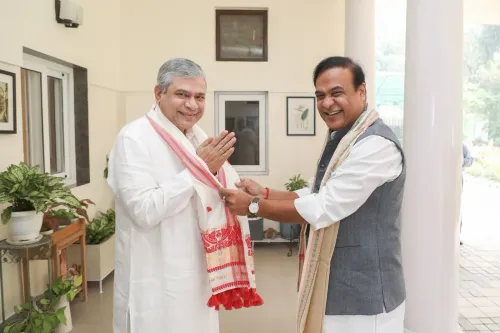
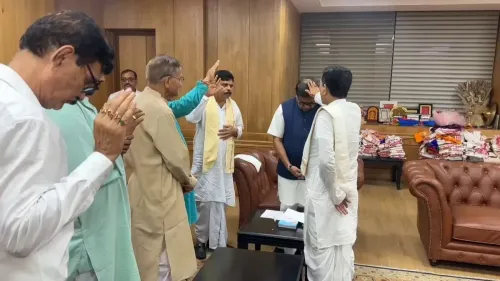
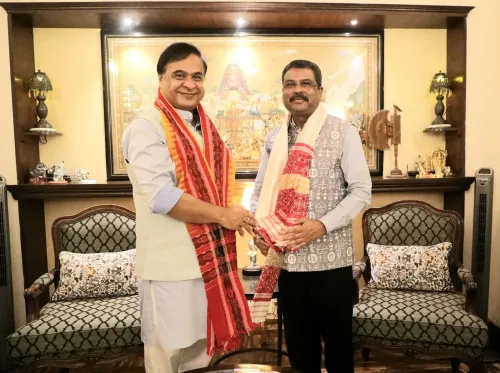
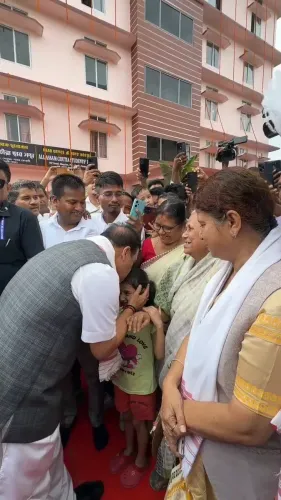
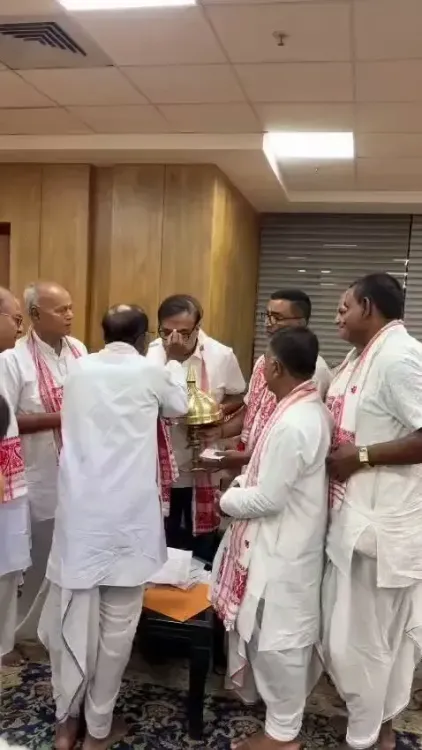
Assam Chief Minister Himanta Biswa Sarma on 29 June 2026 shared a video seeking the continued blessings of Vaishnava saints and tradition upon his government, reaffirming the BJP administration's close engagement with Assam's historic Sattra institutions and Vaishnava cultural heritage.
Key Takeaways
CM Himanta Biswa Sarma posted on X on 29 June 2026 seeking the blessings of Vaishnava saints and tradition for his government.
The post was in Hindi and accompanied by a video, signalling a deliberate cultural outreach.
Vaishnavism, shaped by Srimanta Sankardeva , is central to Assam's religious and cultural identity, with hundreds of Sattras active across the state.
The BJP government in Assam has consistently engaged with Sattra institutions on issues of land rights, heritage funding, and cultural promotion.
Sattriya dance and Borgeet music — rooted in the Vaishnava tradition — are recognised classical art forms supported by the state.
With Assam assembly elections on the horizon, the Chief Minister's religious outreach is expected to remain a prominent feature of his political messaging.
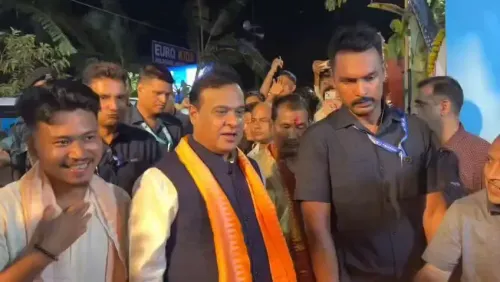
Assam Chief Minister Himanta Biswa Sarma on Monday, 29 June 2026, shared a video on X invoking the blessings of Vaishnava saints and traditions upon his government, expressing hope that the spiritual patronage would continue to guide his administration.
Context
In the post, CM Sarma wrote in Hindi: 'वैष्णव संतों और परम्परा का आशीर्वाद हमारी सरकार पर ऐसे ही बनी रहें' — meaning, 'May the blessings of Vaishnava saints and tradition continue to remain upon our government in this way.' The message was accompanied by a video, underscoring the Chief Minister's visible alignment with the Vaishnava spiritual heritage of Assam.
Vaishnavism holds a historically deep-rooted place in Assam's cultural and religious life. The tradition, shaped significantly by the 15th–16th century saint-scholar Srimanta Sankardeva, gave rise to the Sattra monastic institutions that remain influential across the state. These Sattras are centres of devotion, classical arts, and community governance, and continue to command wide reverence among the Assamese people.
Policy Backdrop
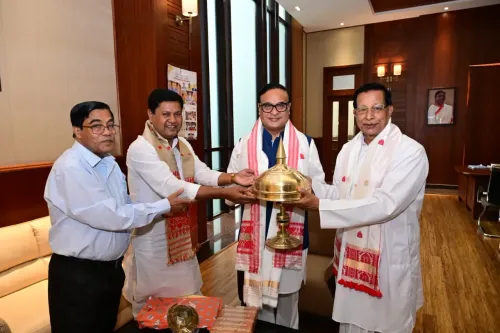
CM Sarma and the Bharatiya Janata Party (BJP) government in Assam have consistently emphasised the preservation and promotion of the state's indigenous Vaishnava heritage since coming to power. Successive budgets of the Assam government have allocated funds for the renovation and development of Sattras, and the administration has engaged with Sattra heads — known as Satradhikars — on matters of cultural policy and land rights.
The Chief Minister has made several public appearances at Vaishnava religious events and has positioned the protection of Sattra lands and traditions as a governance priority. This engagement is seen as both a cultural commitment and a reflection of the deep electoral significance of the Vaishnava community in Assam.
Stakeholders and Impact
The Vaishnava Sattra community represents one of the most organised and respected socio-religious constituencies in Assam. With hundreds of Sattras spread across the Brahmaputra valley and beyond, the blessing of Sattra authorities carries moral and social weight that extends well into rural Assam.
For the BJP government, maintaining a strong relationship with Vaishnava institutions reinforces its cultural-nationalist credentials while also addressing practical concerns — including longstanding demands around Sattra land protections and government support for traditional arts such as Borgeet and Sattriya dance, the latter being a classical dance form recognised by the Sangeet Natak Akademi.
What's Next
The post signals that CM Sarma's government intends to keep the Vaishnava institutional relationship at the forefront of its cultural outreach. With Assam assembly elections due in 2026, the Chief Minister's sustained engagement with religious and cultural leaders is expected to remain a consistent feature of his political communication. How the Sattra community responds to government policies on land, heritage, and education will be a key indicator of the durability of this relationship.
Point of View
Particularly in the Brahmaputra valley. By framing government continuity through the lens of divine and traditional sanction, the Chief Minister reinforces a narrative that ties the BJP's rule to Assam's civilisational heritage. This approach reflects a wider pattern across BJP-governed states of using cultural-religious affinity as a durable political anchor.
NationPress
28 Sept 2026
Frequently Asked Questions
Why did Assam CM Himanta Biswa Sarma seek blessings from Vaishnava saints?
CM Himanta Biswa Sarma expressed hope that the blessings of Vaishnava saints and tradition would continue to guide his government, reflecting his administration's sustained cultural and political engagement with Assam's historic Sattra institutions.
What is the Vaishnava tradition in Assam?
Assam's Vaishnava tradition was shaped by the 15th–16th century saint-scholar Srimanta Sankardeva and is centred on Sattra monastic institutions, which are hubs of devotion, classical arts like Sattriya dance and Borgeet music, and community life across the state.
What are Sattras in Assam?
Sattras are monastic institutions rooted in Assam's Vaishnava tradition, founded in the tradition of Srimanta Sankardeva. They serve as centres of religious practice, classical performing arts, and community governance, and are led by heads known as Satradhikars.
How has the Assam BJP government supported Vaishnava heritage?
The Assam government under CM Sarma has allocated funds for Sattra renovation, engaged Satradhikars on land rights and cultural policy, and supported classical art forms like Sattriya dance, which is recognised by the Sangeet Natak Akademi.
What is the political significance of Vaishnava institutions in Assam?
Vaishnava Sattras represent one of Assam's most organised socio-religious constituencies with significant rural reach, making the Sattra community an important stakeholder for any government seeking broad cultural legitimacy and electoral support in the state.