CM Joseph Vijay opens 30 ITI electrical labs, signs MoU for 40 more
Synopsis
Tamil Nadu CM C. Joseph Vijay inaugurated advanced electrical laboratories in 30 ITIs with Schneider Electric support at Guindy, Chennai on 28 October 2026, signed an MoU for 40 more, rewarded 75 top-performing students, and handed appointment orders to 673 Junior Training Officers.
Key Takeaways
30 Government ITIs in Tamil Nadu now have advanced electrical laboratories inaugurated with Schneider Electric India Pvt.
A new MoU commits Schneider Electric to establishing modern electrical labs in 40 additional Government ITIs .
15 students from the 59th State-Level Skill Competition each received a cheque of Rs.
60 students who achieved national first rank in the All India Trade Tests were presented certificates of appreciation.
673 Junior Training Officers received formal appointment orders at the Guindy, Chennai ceremony on 28 October 2026 .
The event extends Tamil Nadu's decade-long strategy of public-private ITI modernisation aligned with the Skill India Mission .
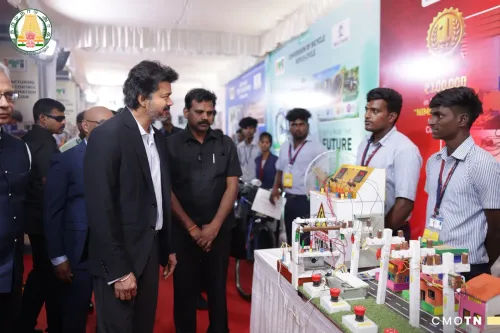
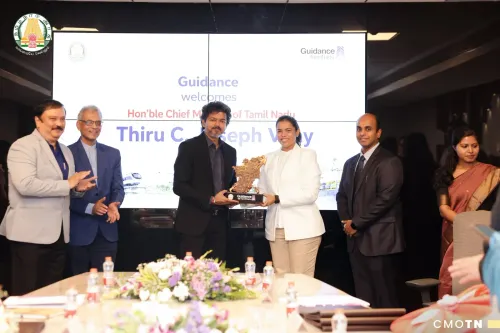
Sixty students who topped national trade exams left Guindy, Chennai on Wednesday, 28 October 2026 with certificates of appreciation in hand — one small symbol of a much larger infrastructure push that Tamil Nadu Chief Minister C. Joseph Vijay anchored at the Government Industrial Training Institute (ITI), Guindy on the same day.
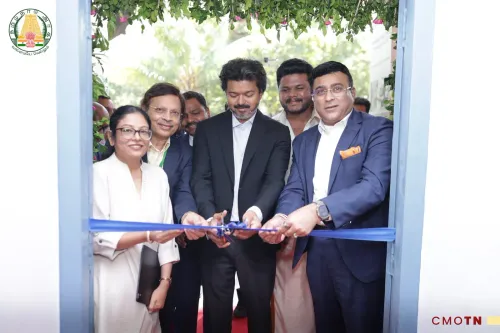
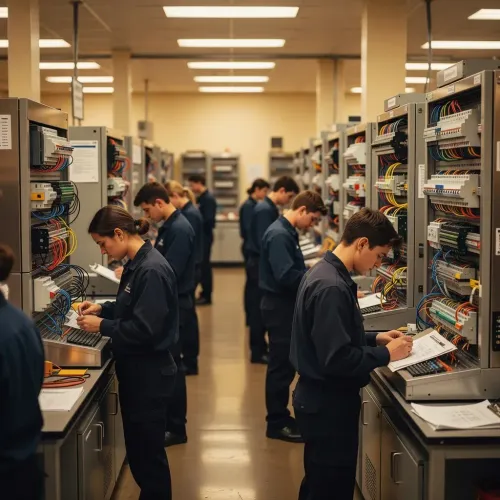
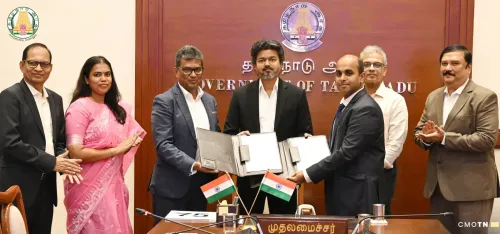
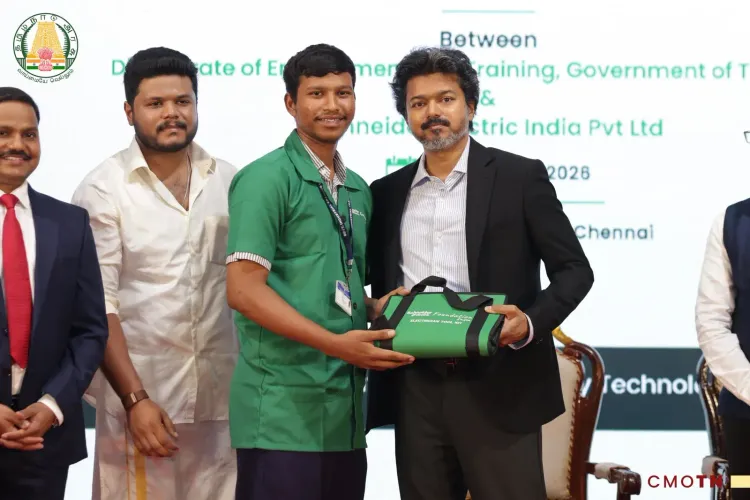
At the ceremony, CM Joseph Vijay inaugurated advanced electrical laboratories in 30 Government ITIs across Tamil Nadu, built with the support of Schneider Electric India Pvt. Ltd., the Indian subsidiary of the French energy-management giant that has partnered with state governments on vocational lab upgrades. The inauguration was paired with a Memorandum of Understanding between the state government and Schneider Electric to extend the programme further — covering 40 additional Government ITIs with modern electrical laboratories, taking the total footprint to 70 institutes statewide.
Three rewards for three tiers of achievement
Beyond the lab launches, the Chief Minister used the platform to recognise student performance at multiple levels. 15 students who won prizes at the 59th State-Level Skill Competition received cheques of Rs. 25,000 each. The 60 students who secured first place nationally in the All India Trade Tests — the annual certification examinations conducted under the Directorate General of Training — received certificates of appreciation. And in a move with direct employment consequences, 673 Junior Training Officers were handed their formal appointment orders on the spot.
ITI modernisation and the Skill India track
The event lands inside a decade-long national push. The Skill India Mission, launched in 2015, set the template for modernising ITIs through public-private partnerships, and Tamil Nadu has leaned into that model consistently — successive state budgets since 2018 have earmarked funds to upgrade government ITIs with industry-standard infrastructure. Schneider Electric's involvement specifically targets the electrical and automation trades, sectors where the gap between ITI training equipment and shop-floor reality has historically been widest.
The All India Trade Tests winner count — 60 students reaching national first rank — signals that Tamil Nadu's ITI graduates are competing credibly at the top tier, not merely clearing local benchmarks. The 673 appointment orders handed out in a single event underline the scale at which the state is trying to staff its own training ecosystem from within its graduate pool.
What the MoU extension means for ITI students
An MoU for 40 more institutes is not a completed project — it is a commitment that now enters the slow machinery of procurement, construction, and equipment installation. The real test will be whether the new labs in those 40 institutes become operational within the state's own skill-development reporting cycles. The 30 labs inaugurated today, however, are live: students in those institutes can begin hands-on electrical training on Schneider-standard equipment immediately, closing a gap that industry employers have long flagged.
Tamil Nadu has quietly made ITI reform one of the more credible planks of its skills story. Today's Guindy ceremony stacks three things at once — infrastructure, recognition, and employment — into a single public signal that the state is not treating vocational education as an afterthought.
Point of View
Reducing dependency on open-market recruitment. The MoU for 40 more institutes is politically useful optics, but its credibility will rest entirely on operational timelines, making the next skill-development budget a key moment of accountability. Nationally, this positions Tamil Nadu as a benchmark state for Skill India's lab-partnership model ahead of any Centre-State review of vocational training outcomes.
NationPress
28 Oct 2026
Frequently Asked Questions
How many ITI electrical labs did CM Joseph Vijay inaugurate in Tamil Nadu?
CM Joseph Vijay inaugurated advanced electrical laboratories in 30 Government ITIs on 28 October 2026 , with support from Schneider Electric India Pvt. Ltd.
What is the MoU signed between Tamil Nadu and Schneider Electric about?
The MoU commits Schneider Electric to establishing modern electrical laboratories in 40 additional Government ITIs in Tamil Nadu, extending the existing 30-institute programme.
How much cash prize did skill competition winners receive from the Tamil Nadu government?
15 students who won the 59th State-Level Skill Competition each received a cheque of Rs. 25,000 from CM Joseph Vijay at the Guindy ceremony.
What is the All India Trade Test and why did Tamil Nadu students get recognition?
The All India Trade Tests are national-level certification exams for ITI trainees conducted under the Directorate General of Training. 60 Tamil Nadu students who secured national first rank received certificates of appreciation from CM Joseph Vijay.
How many Junior Training Officers got appointment orders at the Chennai ITI event?
673 Junior Training Officers received formal appointment orders from CM Joseph Vijay at the function held at the Government ITI, Guindy, Chennai on 28 October 2026 .