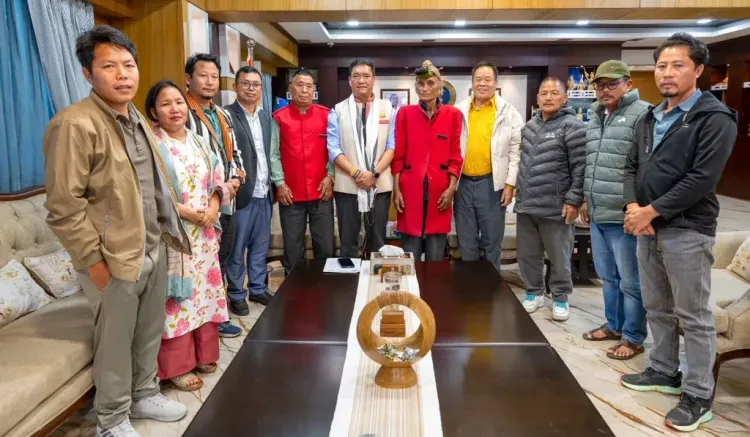
CM Pema Khandu meets former MLA Tana Hali Tara, discusses local development
Synopsis
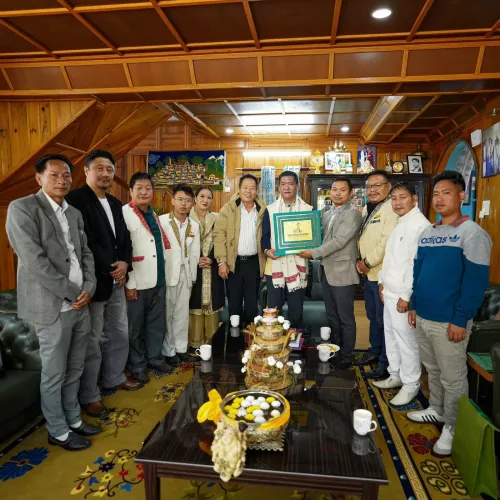
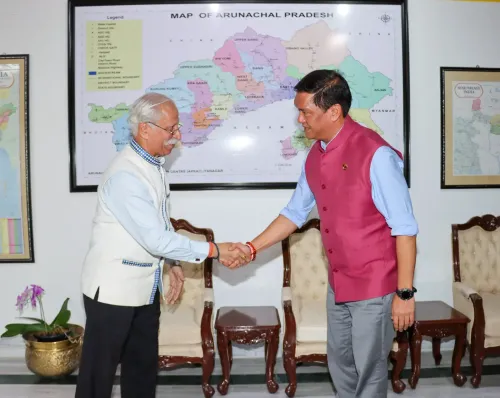
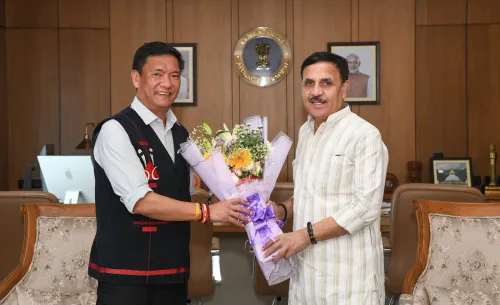
Arunachal Pradesh CM Pema Khandu held a discussion with former MLA Tana Hali Tara, BJP leaders, and Panchayat representatives on November 19, covering local development priorities and public-interest matters in a standard but substantive grassroots outreach interaction.
Key Takeaways
Arunachal Pradesh CM Pema Khandu was called on by former MLA Tana Hali Tara on November 19, 2026 .
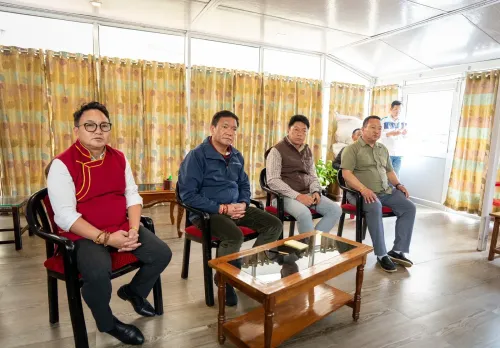
The delegation included BJP leaders and Panchayat representatives, broadening the meeting beyond a one-on-one courtesy call.
Discussion covered local development priorities, area-specific issues, and matters of public interest.
No specific constituency, district, or policy announcement was named publicly.
Pema Khandu has governed Arunachal Pradesh since 2016 under the BJP, maintaining regular grassroots-level outreach as part of his governance style.
Arunachal Pradesh Chief Minister Pema Khandu received a courtesy call from former MLA Shri Tana Hali Tara on Thursday, November 19, 2026, with the delegation including BJP leaders and Panchayat representatives, turning the visit into a focused dialogue on grassroots concerns.
The Chief Minister described it as 'a meaningful interaction' covering 'various issues concerning the area, local development priorities and matters of public interest.' No specific constituency or district was named, but the composition of the group — a former legislator alongside party functionaries and elected Panchayat members — signals the conversation spanned both political and administrative ground.
Why former MLAs still carry weight in Arunachal politics
Former legislators remain significant nodes in Arunachal Pradesh's political network. They retain community trust, local knowledge, and the ear of constituents long after their electoral tenures end. When they arrive at the Chief Minister's door with Panchayat reps in tow, it typically means specific infrastructure gaps, welfare bottlenecks, or connectivity issues have piled up at the village level and need executive attention.
Pema Khandu has governed the state since 2016, first with the Peoples Party of Arunachal and then firmly under the BJP banner, building a reputation for accessibility to party workers and local leaders. Regular such interactions are a deliberate part of that style — a feedback loop that feeds directly into administrative priorities.
Panchayat voices at the CM's table
The presence of Panchayat representatives alongside Tana Hali Tara gives the meeting added texture. Panchayat bodies in Arunachal Pradesh are the first point of contact for rural development funds, road construction, and welfare scheme implementation. Their direct access to the Chief Minister compresses the feedback cycle, potentially accelerating on-ground action.
No policy announcement or new scheme emerged from the meeting, as shared publicly. What it does signal is the continued importance of interpersonal, constituency-level engagement in a state where formal bureaucratic channels often run long distances over difficult terrain.
The question now: whether this conversation translates into specific project clearances or follow-up visits to the region in the weeks ahead.
Point of View
A state where BJP's dominance since 2016 has relied heavily on incorporating former legislators and Panchayat networks. Former MLAs serve as informal bridges between the state administration and constituencies that may feel underserved by formal channels. The inclusion of Panchayat representatives elevates the meeting from routine courtesy to a potential policy feedback session, which could feed into infrastructure or welfare decisions. It also reflects the broader BJP governance model of layered party-state engagement at the sub-district level.
NationPress
19 Nov 2026
Frequently Asked Questions
Who is Tana Hali Tara in Arunachal Pradesh politics?
Tana Hali Tara is a former MLA associated with BJP circles in Arunachal Pradesh, who met Chief Minister Pema Khandu on November 19, 2026 to discuss local development issues.
Why did Pema Khandu meet former MLA Tana Hali Tara?
The meeting was described as a courtesy call that turned into a substantive discussion covering local development priorities, area-specific concerns, and matters of public interest in the former MLA's region.
Who is Pema Khandu and how long has he been Chief Minister?
Pema Khandu has been Chief Minister of Arunachal Pradesh since 2016, initially under the Peoples Party of Arunachal before joining the BJP, and has since led the state continuously under BJP governance.
What role do Panchayat representatives play in such CM meetings?
Panchayat representatives bring first-hand information on rural development gaps, welfare scheme delivery, and infrastructure needs, making their presence at a CM meeting a direct channel for escalating village-level concerns.
Did Pema Khandu announce any new scheme or project after this meeting?
No specific policy announcement, new scheme, or project was publicly disclosed following the November 19 meeting with former MLA Tana Hali Tara and the accompanying delegation.