CM Pema Khandu Visits Historic Brahmadungchung Ani Gompa in Tawang
Synopsis
Arunachal Pradesh Chief Minister Pema Khandu visited the Brahmadungchung Ani Gompa, an ancient Buddhist nunnery in Tawang, on June 24, 2026, describing it as a symbol of devotion and spiritual resilience amid the mountains of the border district.
Key Takeaways
Chief Minister Pema Khandu visited the Brahmadungchung Ani Gompa in Tawang on June 24, 2026 .
The nunnery is described as an ancient site representing Buddhist monastic traditions and female monasticism in Arunachal Pradesh .
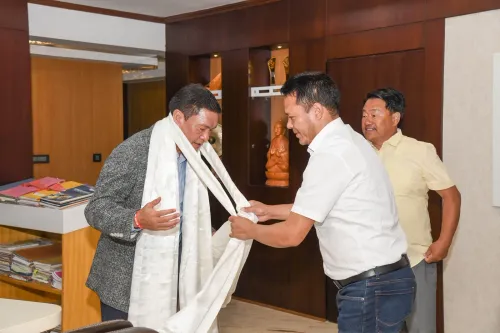
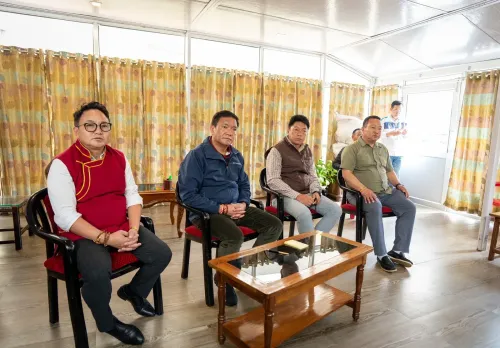
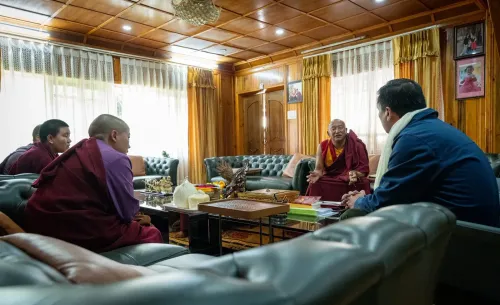
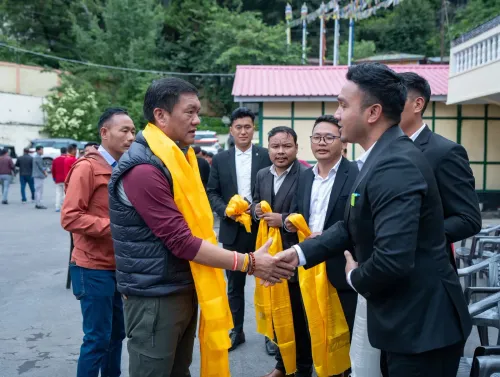
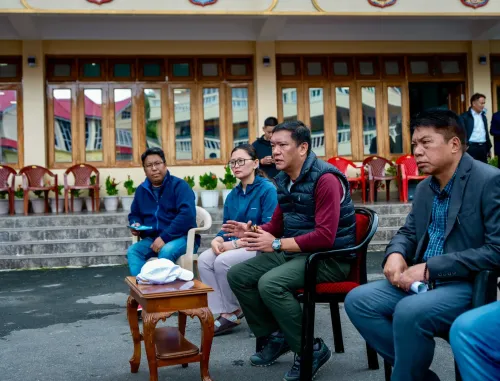
Khandu shared 4 images from the visit, giving the secluded site rare public visibility.
Tawang district hosts several significant Tibetan Buddhist heritage sites and is located near the India-China border .
Arunachal Pradesh has promoted Buddhist heritage tourism since the 2010s , with Tawang as a centrepiece.
The visit may precede policy announcements on monastery restoration or religious circuit development in the district.
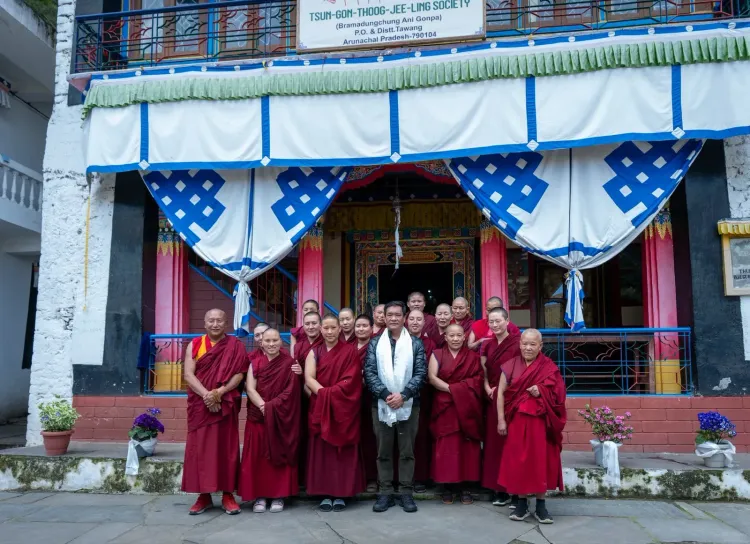
Arunachal Pradesh Chief Minister Pema Khandu visited the Brahmadungchung Ani Gompa, an ancient nunnery in Tawang, on Wednesday, June 24, 2026, describing the site as a symbol of devotion, discipline, and spiritual resilience nestled amid the mountains of the border district.
Context
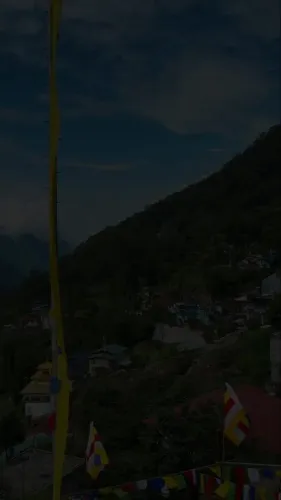
In his post, Chief Minister Khandu described the nunnery as 'serene and historic,' perched in a 'secluded and picturesque setting' amid the 'breathtaking mountains of Tawang.' He shared four images from the visit, offering a rare public glimpse of the site's setting and monastic environment.
The Brahmadungchung Ani Gompa is one of several ancient Buddhist establishments in Tawang district, a region in Arunachal Pradesh that is home to some of the most significant Tibetan Buddhist heritage in India. The nunnery represents the tradition of female monasticism within the broader Buddhist monastic culture of the area.
Policy Backdrop
Arunachal Pradesh has, since the 2010s, actively promoted its Buddhist heritage sites — particularly those in Tawang — as anchors of cultural tourism development. State tourism policies have consistently identified the district's monasteries and nunneries as assets that can attract both domestic pilgrims and international visitors.
These efforts run parallel to central government priorities around connectivity and heritage preservation in the Northeast. Visits by senior state leaders to religious sites in border districts carry significance both as cultural outreach and as a signal of administrative attention to areas that sit at the intersection of faith, identity, and geopolitics.
Stakeholders and Impact
The Buddhist community of Tawang and the broader monastic establishment stand as the primary stakeholders in the visibility such visits generate. Increased public attention from senior officials can support advocacy for restoration funding, infrastructure access, and inclusion in religious tourism circuits.
Tawang's residents, many of whom are connected to the monastic economy through hospitality, crafts, and pilgrimage services, also benefit when heritage sites receive official recognition. The Brahmadungchung Ani Gompa, by virtue of its seclusion, has historically received less footfall than the larger Tawang Monastery, making the Chief Minister's public acknowledgement notable for the nunnery's profile.
What's Next
Observers of state cultural policy will watch for any follow-up announcements from Arunachal Pradesh's tourism or culture departments — particularly budget allocations for monastery restoration or the expansion of Buddhist religious circuits in Tawang. The Chief Minister's consistent pattern of publicising heritage visits has in the past preceded policy conversations around site development and preservation.
As Tawang remains a focal point of both cultural pride and strategic interest for India, the spotlight on lesser-known sites like the Brahmadungchung Ani Gompa could contribute to a more distributed model of heritage tourism that extends beyond the district's most prominent landmark.
Point of View
Particularly in Tawang — a district that carries outsized strategic and cultural weight for India. By spotlighting a lesser-known nunnery rather than the more prominent Tawang Monastery, Khandu signals an intent to broaden the heritage tourism narrative beyond established landmarks. This aligns with a Northeast-wide push to deepen cultural infrastructure in border districts, where soft-power signalling and economic development often converge. Whether the visit translates into concrete policy support for the Ani Gompa will be the measure of its lasting significance.
NationPress
22 Sept 2026
Frequently Asked Questions
What is the Brahmadungchung Ani Gompa?
The Brahmadungchung Ani Gompa is an ancient Buddhist nunnery located in Tawang district, Arunachal Pradesh, representing the tradition of female monasticism within the region's Tibetan Buddhist heritage.
Why did CM Pema Khandu visit the Tawang nunnery?
Chief Minister Pema Khandu visited the Brahmadungchung Ani Gompa on June 24, 2026, and described it as a symbol of devotion, discipline, and spiritual resilience, as part of his ongoing engagement with cultural and religious sites in Arunachal Pradesh.
Where is Brahmadungchung Ani Gompa located?
It is located in Tawang district in Arunachal Pradesh, a northeastern Indian state bordering China, known for its concentration of Tibetan Buddhist monasteries and nunneries.
What is Tawang known for in terms of Buddhist heritage?
Tawang is home to several significant Tibetan Buddhist establishments, including the famous Tawang Monastery, and has been a focus of Arunachal Pradesh's cultural tourism policy since the 2010s.
How does Pema Khandu promote Arunachal Pradesh's cultural heritage?
Chief Minister Pema Khandu regularly visits and publicises religious and cultural sites across Arunachal Pradesh on social media, drawing attention to the state's Buddhist monastic traditions and supporting heritage tourism development.