Indian Ambassador Nagma Mallik pays tribute to Nagasaki bombing victims ahead of 81st anniversary
Synopsis
India's Ambassador to Japan, Nagma Mallik, visited the Nagasaki atomic bomb epicentre and museum ahead of the 81st anniversary, then laid flowers at Hiroshima's Gandhi memorial — invoking Gandhi's teaching that peace must be lived daily, not just commemorated. The visits come as global conflicts cast a long shadow over this year's ceremonies.
Key Takeaways
Ambassador Nagma Mallik visited the atomic bomb epicentre in Nagasaki on Saturday, 9 August , ahead of the city's 81st anniversary of the bombing.
She also toured the Nagasaki Atomic Bomb Museum to understand the bomb's human and civic impact.
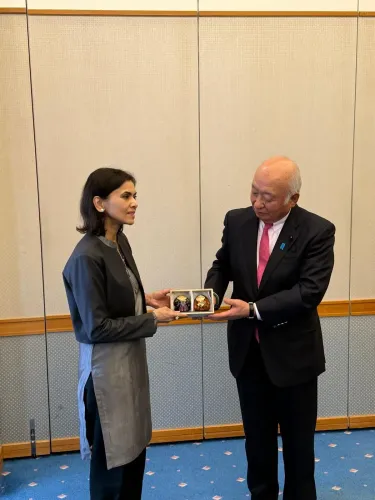
Mallik met Mayor Shiro Suzuki and Governor Ken Shirata during a reception at the Nagasaki Peace Memorial Ceremony .
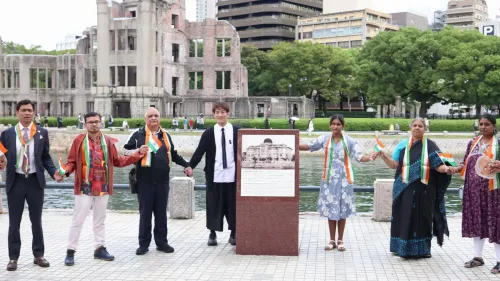
On Friday , she laid flowers at the Bapu (Mahatma Gandhi) memorial in Hiroshima, attended by Mayor Kazumi Matsui and other dignitaries.
Both Hiroshima Mayor Matsui and Assembly Chairman Takashi Nakamoto issued appeals for lasting world peace amid ongoing global conflicts.
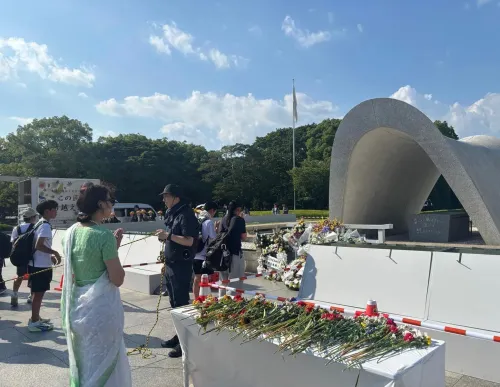
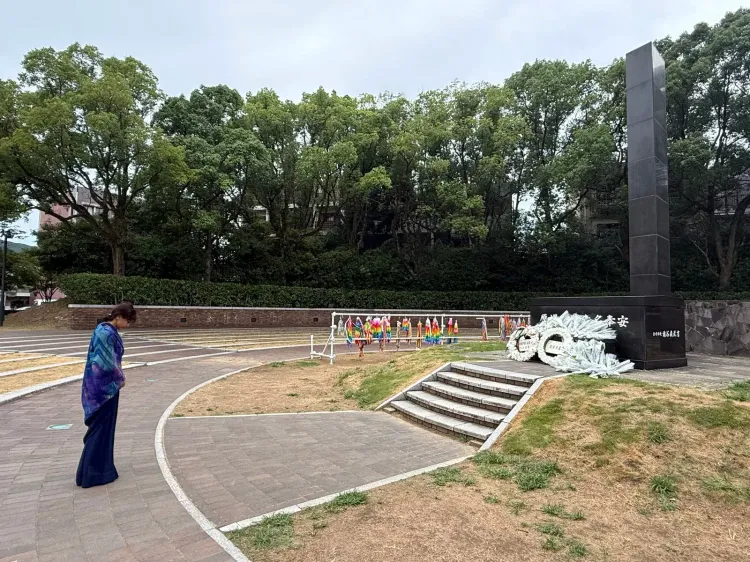
India's Ambassador to Japan, Nagma Mallik, on Saturday, 9 August visited the epicentre of the atomic bombing in Nagasaki to pay her respects to the victims, ahead of the city's 81st anniversary of the catastrophic event. The visit forms part of a broader week of commemorative engagements that also took the Ambassador to Hiroshima.
Nagasaki Visit: Epicentre and Museum
Ambassador Mallik visited the site where the atomic bomb was dropped — the epicentre in Nagasaki — to honour the memory of those who perished. She also toured the Nagasaki Atomic Bomb Museum to deepen her understanding of the bomb's devastating impact on the city and its people.
The Consulate General of India in Fukuoka shared details of the visit on X, noting: 'May Nagasaki remain the last city ever to suffer an atomic bombing.'
Meetings with Nagasaki Leadership
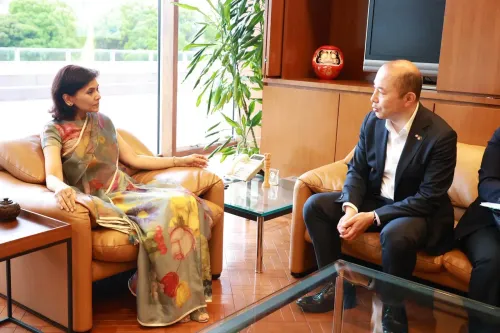
During a reception held on the occasion of the Nagasaki Peace Memorial Ceremony, Ambassador Mallik held discussions with Mayor Shiro Suzuki of Nagasaki City and Governor Ken Shirata of Nagasaki Prefecture. The engagements underscored India's diplomatic solidarity with Japan on issues of nuclear disarmament and global peace.
Hiroshima: Gandhi Memorial and Peace Ceremony
On Friday, the day before the Nagasaki visit, Ambassador Mallik paid tribute at the Bapu (Mahatma Gandhi) memorial on the eve of the Hiroshima Peace Memorial Ceremony, laying flowers to honour Gandhi's legacy of non-violence.
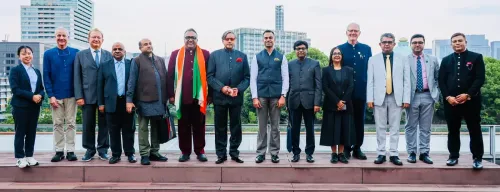
The flower-laying ceremony was attended by Hiroshima Mayor Kazumi Matsui, Hiroshima Prefectural Assembly Chairman Takashi Nakamoto, members of parliament, Kazuhisa Matsumoto — President of the Hiroshima Japan-India Association — as well as members of the Indian community in Japan and others with ties to India.
Ambassador Mallik said: 'Bapu is a symbol of peace, and we must embody in our way of life Mahatma Gandhi's teaching that peace is not a destination to be reached, but something to be practised in our daily lives.'
Calls for Lasting World Peace
Hiroshima Mayor Kazumi Matsui, noting that numerous conflicts continue to rage across the world even 81 years after the atomic bombings, appealed for the realisation of global peace. Hiroshima Prefectural Assembly Chairman Takashi Nakamoto similarly stressed that humanity must sustain relentless efforts toward achieving lasting peace.
This is not the first time India has engaged prominently in Japan's atomic-bombing commemorations, reflecting the two countries' longstanding commitment to nuclear disarmament diplomacy. As global conflict flashpoints multiply, the symbolic weight of these ceremonies continues to grow.
Point of View
A nuclear-armed state, is threading the needle between deterrence posture and peace rhetoric. The real question mainstream coverage skips is whether India's symbolic solidarity at these ceremonies is matched by concrete multilateral disarmament commitments. As global conflicts multiply and nuclear rhetoric rises from multiple capitals, the gap between ceremony and policy deserves scrutiny.
NationPress
8 Aug 2026
Frequently Asked Questions
Why did India's Ambassador visit Nagasaki ahead of the 81st anniversary?
Ambassador Nagma Mallik visited Nagasaki on Saturday, 9 August to pay her respects to victims of the 1945 atomic bombing, ahead of the city's 81st anniversary commemoration. She toured the atomic bomb epicentre and the Nagasaki Atomic Bomb Museum as part of India's diplomatic engagement with Japan's peace ceremonies.
Who did Ambassador Mallik meet during the Nagasaki Peace Memorial Ceremony?
She held discussions with Nagasaki City Mayor Shiro Suzuki and Nagasaki Prefecture Governor Ken Shirata at a reception held on the occasion of the Nagasaki Peace Memorial Ceremony.
What did Ambassador Mallik do at the Hiroshima Peace Memorial Ceremony?
On Friday, the eve of the Hiroshima Peace Memorial Ceremony, Ambassador Mallik laid flowers at the Bapu (Mahatma Gandhi) memorial in Hiroshima. The ceremony was attended by Hiroshima Mayor Kazumi Matsui, Prefectural Assembly Chairman Takashi Nakamoto, members of parliament, and members of the Indian community in Japan.
What did Ambassador Mallik say about Mahatma Gandhi and peace?
Ambassador Mallik stated: 'Bapu is a symbol of peace, and we must embody in our way of life Mahatma Gandhi's teaching that peace is not a destination to be reached, but something to be practised in our daily lives.'
What appeals did Japanese officials make at the Hiroshima ceremony?
Hiroshima Mayor Kazumi Matsui appealed for the realisation of global peace, noting that numerous conflicts continue worldwide even 81 years after the atomic bombings. Hiroshima Prefectural Assembly Chairman Takashi Nakamoto stressed that humanity must sustain relentless efforts toward achieving lasting world peace.