CM Majhi Deploys IAS Officers as Floods Hit Odisha's North
Synopsis
Odisha CM Mohan Charan Majhi has activated the state's full disaster machinery in response to flooding in Balasore, Bhadrak, and Jajpur, deploying three senior IAS officers, ordering 24x7 emergency monitoring, mobilising NDRF and ODRAF teams, and directing swift compensation for damaged homes and crops.
Key Takeaways
Three senior IAS officers have been given special charge of flood management, evacuation, and relief in Balasore, Bhadrak, and Jajpur districts.
The SRC office and State Emergency Control Room are operating 24x7 to monitor water levels and coordinate response.
NDRF, ODRAF, fire services, and police are fully deployed for evacuations from low-lying areas.
Relief shelters are being stocked with drinking water, cooked food, healthcare, anti-snake-venom medicine, and livestock fodder .
Night police patrolling has been ordered around vacated homes to prevent theft and protect property.
CM Majhi has directed swift compensation for flood-damaged houses and agricultural land.
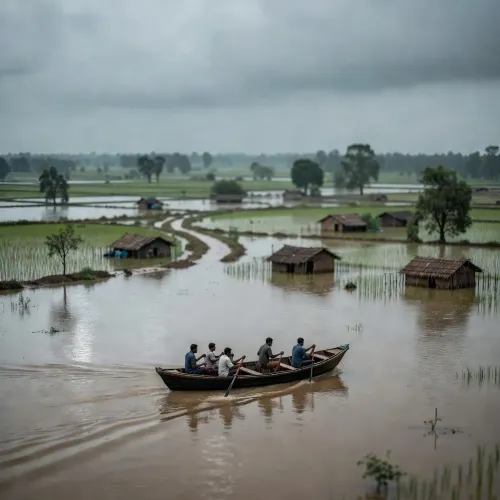
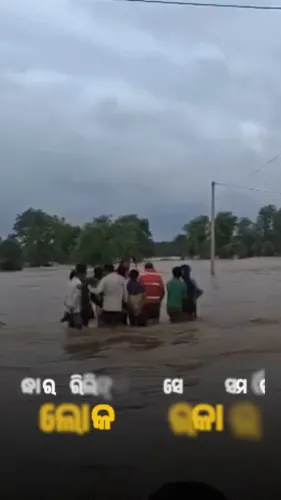
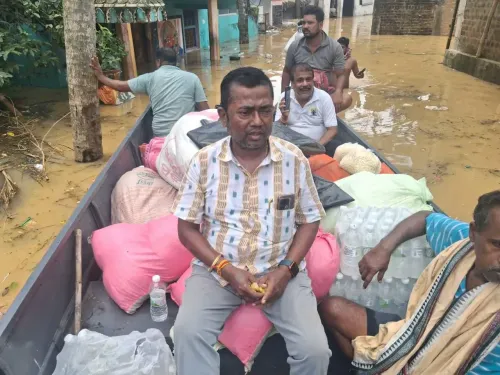
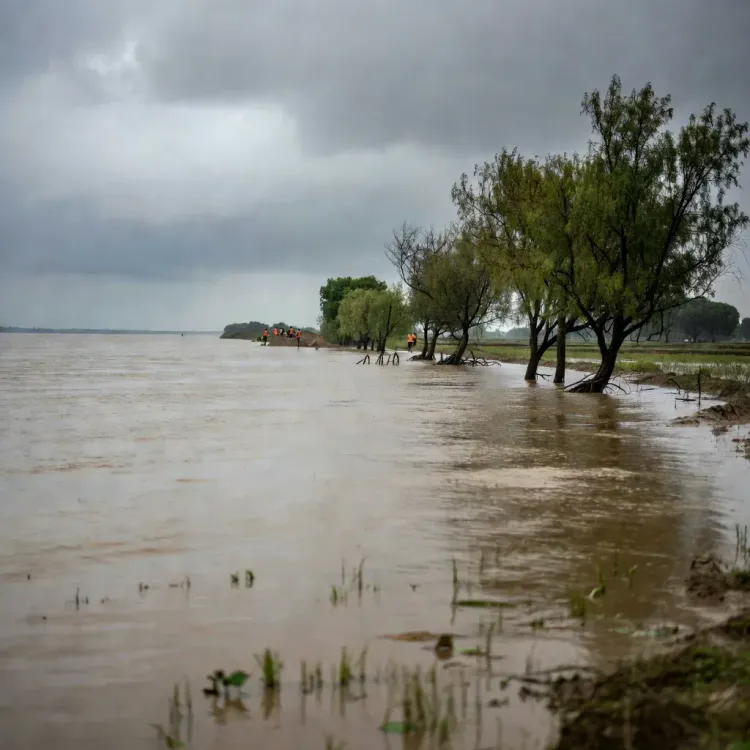
Floodwaters are rising across Balasore, Bhadrak, and Jajpur districts in northern Odisha, and Chief Minister Mohan Charan Majhi is not waiting for the situation to worsen — he has moved the state's full emergency apparatus into active deployment, announcing a sweeping set of relief and evacuation measures on Wednesday, 29 July 2026.
Three IAS Officers, Three Districts on Watch
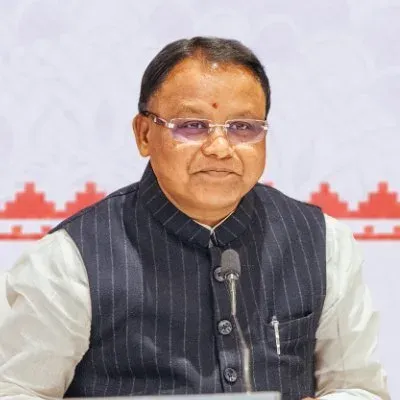
The headline move: three senior IAS officers have been assigned direct, personal oversight of flood management, evacuation, and relief operations in the three worst-hit districts. It is a signal that the administration is not delegating this to lower tiers — the chain of accountability runs straight to the top. Majhi said he has personally reviewed the situation with the Chief Secretary and the Special Relief Commissioner (SRC), and directed the entire administration to keep residents in affected zones safe.
The SRC office and the State Emergency Control Room have been ordered to operate 24×7, with round-the-clock monitoring of water levels and ground conditions. 'ରାଜ୍ୟର ପ୍ରତ୍ୟେକ ନାଗରିକଙ୍କ ଜୀବନ ଓ ସୁରକ୍ଷା ଆମ ପାଇଁ ସବୁଠାରୁ ଗୁରୁତ୍ୱପୂର୍ଣ୍ଣ' — 'The life and safety of every citizen of the state is of utmost importance to us,' Majhi wrote, urging residents not to panic and to follow official instructions.
NDRF, ODRAF, and Police Fully Mobilised
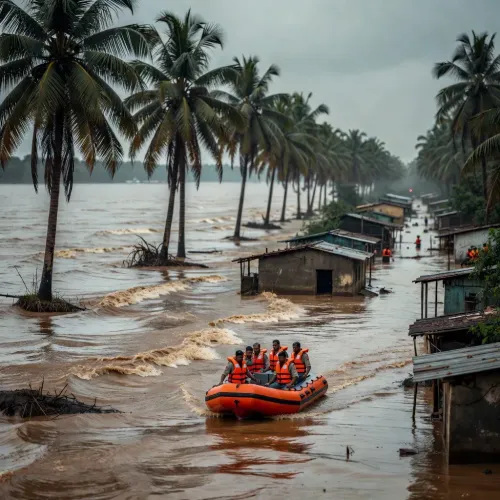
On the ground, NDRF (National Disaster Response Force), ODRAF (Odisha Disaster Rapid Action Force), fire services, and police are on full standby for evacuations from low-lying areas. This is the institutional muscle Odisha has built since the catastrophic 1999 super cyclone, when the state established the Odisha State Disaster Management Authority (OSDMA) to professionalise exactly this kind of response.
Odisha's northern districts sit at the confluence of rivers including the Subarnarekha, Baitarani, and Budhabalanga — channels that swell fast and hard during heavy monsoon spells. Balasore, Bhadrak, and Jajpur flood almost every year. The state has learned, through repeated cycles of disaster, that pre-positioning teams before the peak surge saves lives. That institutional memory is visible in every line of today's order.
Shelters Stocked, Properties Guarded, Compensation Ordered
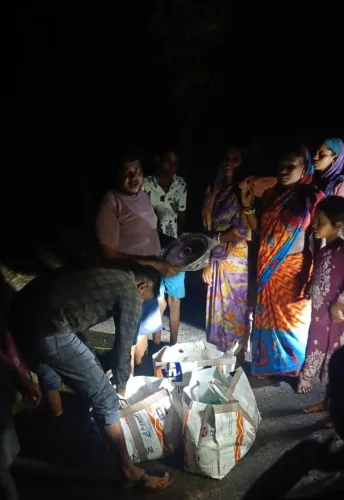
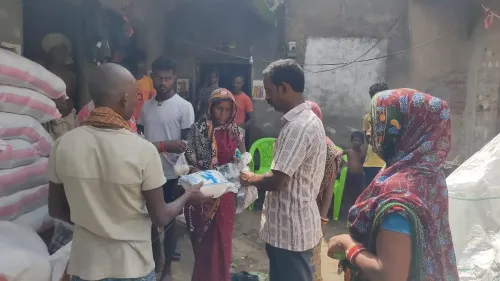
Inside every relief shelter, the government says it is providing clean drinking water, cooked meals, emergency healthcare, anti-snake-venom medicine, and fodder for livestock — a detail that matters enormously to farming families who cannot afford to lose their animals. Police have been ordered to conduct night patrols outside vacated homes to prevent theft and protect property left behind by evacuees.
Critically, Majhi has directed that swift compensation be paid to those whose houses and agricultural land have been damaged — an instruction aimed at cutting through the bureaucratic lag that has historically frustrated flood victims long after the waters recede.
Odisha has earned a rare reputation in South Asia for disaster preparedness. The test now is execution — whether the machinery moves as fast as the floodwater.
Point of View
Pre-positioned rescue teams, and 24x7 control rooms — but the explicit order for rapid compensation signals political awareness that post-flood relief delays have long been a source of public grievance. For a CM who took office in June 2024, managing a major monsoon flood without visible failures is an early credibility test. The deployment of IAS officers directly to districts, rather than routing everything through the SRC, suggests the administration wants accountability to be visible and personal, not diffused through layers of bureaucracy.
NationPress
13 Sept 2026
Frequently Asked Questions
Which districts in Odisha are flooded in July 2026?
Balasore, Bhadrak, and Jajpur are the three districts most affected by the current flooding, triggered by heavy continuous rainfall and rising river levels in northern Odisha.
What steps has CM Majhi taken for flood relief in Odisha?
CM Majhi has deployed three senior IAS officers to personally oversee relief in affected districts, activated 24x7 emergency control rooms , mobilised NDRF and ODRAF teams for evacuations, ensured shelters are stocked with essentials, ordered night police patrols, and directed swift compensation for damaged property and crops.
What is ODRAF and what role does it play in Odisha floods?
ODRAF — the Odisha Disaster Rapid Action Force — is the state's specialised disaster response unit, trained for swift evacuations and rescue operations during floods and cyclones, complementing the national-level NDRF .
Will flood victims in Odisha get compensation for damaged homes and crops?
Yes. CM Majhi has specifically directed that swift compensation be paid to residents whose houses and agricultural land have been damaged by the current floods, aiming to avoid the delays that have historically followed flood events in the state.
Why does Odisha flood every year in these districts?
Balasore, Bhadrak, and Jajpur lie in the flood plains of rivers including the Subarnarekha, Baitarani, and Budhabalanga , which receive heavy monsoon runoff from upstream catchments, making annual inundation a near-predictable pattern in northern and coastal Odisha.