NCP names Zeeshan Siddique Mumbai unit president after Baba Siddique legacy
Synopsis
The NCP has turned to the son of the late Baba Siddique to lead its Mumbai unit — a symbolic bet on a familiar political name in a city where the party has historically struggled to hold more than a handful of seats. With the 2023 split still fragmenting its grassroots and the BMC elections underdelivering, Zeeshan Siddique's appointment is as much a statement of intent as it is a test of political inheritance.
Key Takeaways
Zeeshan Siddique , son of late politician Baba Siddique , was appointed NCP Mumbai Regional President on 28 October 2026 .
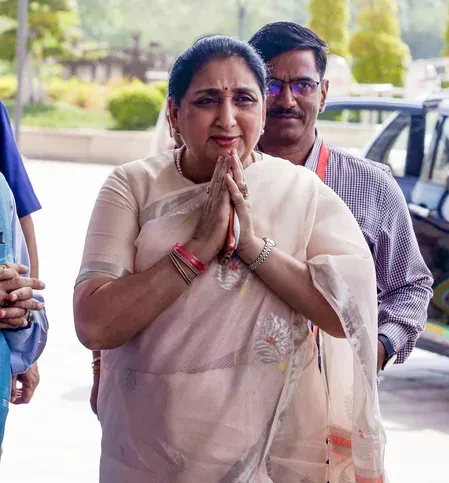
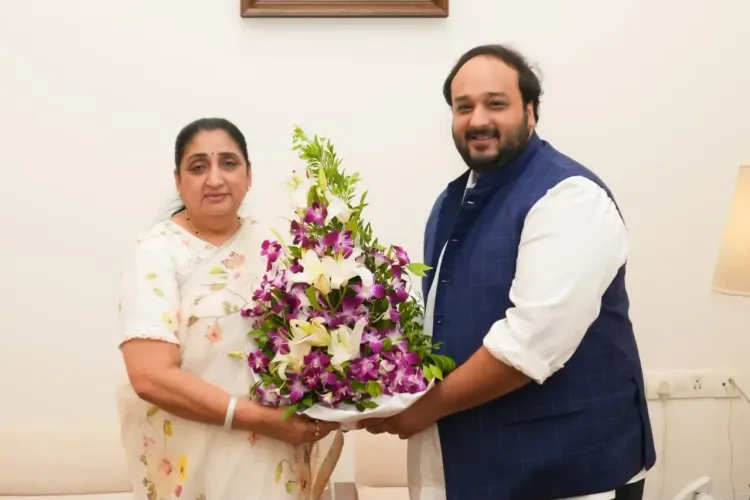
The appointment letter was handed over by NCP National President and Maharashtra Deputy Chief Minister Sunetra Pawar .
Zeeshan had lost the 2024 Assembly election from Bandra East constituency.
The NCP has historically held only 1 to 3 Assembly seats in Mumbai and failed to grow its tally in the recent BMC elections .
The July 2023 NCP split further divided the party's already thin Mumbai grassroots network.
Umesh Patil was separately appointed as NCP National Chief Spokesperson .
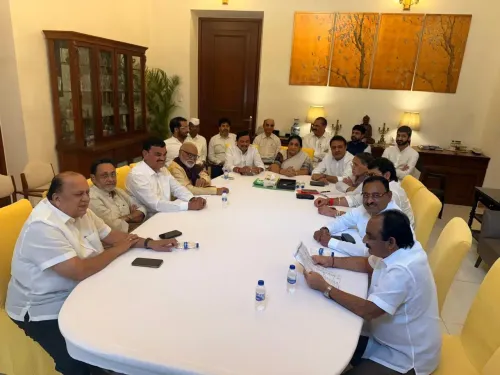
The Nationalist Congress Party (NCP) on Tuesday, 28 October 2026, appointed party legislator Zeeshan Siddique as Mumbai Regional President in a significant organisational reshuffle. The formal appointment letter was handed over by NCP National President and Maharashtra Deputy Chief Minister Sunetra Pawar, signalling the party's intent to rebuild its urban footprint in India's financial capital ahead of the 2029 Lok Sabha and Assembly elections.
The Appointment and Its Mandate
Zeeshan Siddique is the son of the late veteran politician Baba Siddique, who was widely regarded as one of Mumbai's most prominent political figures. The appointment letter reportedly emphasises continuing the progressive legacy of late leader Ajit Dada Pawar, upholding the tradition of public service, and strengthening the party's grassroots commitment to ordinary citizens. The NCP leadership expressed confidence that under Siddique's stewardship, the party organisation in Mumbai will become 'significantly stronger, more effective, and deeply people-centric.'
Notably, Zeeshan had contested the 2024 Assembly elections from the Bandra East constituency but lost, making this appointment a significant rehabilitation of his political standing within the organisation.
The Challenge: NCP's Historically Thin Mumbai Base
The appointment comes at a difficult moment for the party in the city. The NCP had failed to increase its tally in the recently concluded BrihanMumbai Municipal Corporation (BMC) elections and has historically held only a fraction of Mumbai's 36 Legislative Assembly seats and 227 BMC wards — often just 1 to 3 Assembly seats at peak.
The party's core strength lies in agrarian politics, sugar cooperatives, and rural local bodies — particularly in western Maharashtra districts such as Pune, Satara, and Kolhapur. Translating that rural patronage network into Mumbai's cosmopolitan, middle-class, and urban-slum electorate has proven structurally difficult. Observers note that the NCP also historically allocated the majority of Mumbai constituencies to its long-time ally, the Indian National Congress (INC), under seat-sharing arrangements — severely limiting the party's opportunity to build a city-wide organisation.
The 2023 Split and Its Mumbai Fallout
The July 2023 vertical split of the NCP into two factions — NCP (Ajit Pawar) and NCP (Sharadchandra Pawar) — further divided an already thin Mumbai grassroots apparatus. NCP (Ajit Pawar), which Sunetra Pawar represents, now operates as part of the ruling Mahayuti coalition, relying on state cabinet resources and alliance seat-sharing rather than independent urban mobilisation.
Mumbai's urban electorate has traditionally favoured Shiv Sena — both the UBT and Shinde factions — for Marathi identity and local civic issues, and the Bharatiya Janata Party (BJP) for urban governance and middle-class appeal, leaving limited space for the NCP to carve out a distinct urban identity.
What Zeeshan Siddique Must Do
Party insiders and political observers argue that Siddique will need to pivot sharply from the NCP's rural-centric playbook. Key priorities cited include building dedicated urban agendas around housing redevelopment, slum rehabilitation, and local transport; grooming youth leadership from Mumbai's colleges and trade unions rather than importing rural cadres; and leveraging coalition partnerships to contest non-traditional urban seats in upcoming BMC and Assembly elections.
Areas with a significant Muslim population — such as parts of Kurla, Anushakti Nagar, and Shivaji Nagar/Mankhurd — along with pockets housing migrants from western Maharashtra and Marathwada, offer the most accessible base to build from.
Other Appointment
In a separate move, NCP President Sunetra Pawar also appointed Umesh Patil as National Chief Spokesperson, completing another layer of the party's organisational reset.
With the 2029 general and state elections on the horizon, the NCP's Mumbai gambit under Zeeshan Siddique will be closely watched as a test of whether the party can finally build a credible urban presence beyond its western Maharashtra stronghold.
Point of View
Ceded constituencies, and rural leaders parachuted into urban contests — Baba Siddique was an exception, not a template. The real question is whether Zeeshan can construct an independent urban political identity, or whether this is simply the NCP buying time with a recognisable surname until the 2029 cycle forces harder choices. The 2023 split has already fractured whatever thin infrastructure existed; a single appointment, however symbolic, does not reverse that structural deficit.
NationPress
28 Oct 2026
Frequently Asked Questions
Who is Zeeshan Siddique and why has he been appointed NCP Mumbai president?
Zeeshan Siddique is an NCP legislator and the son of the late veteran politician Baba Siddique. He was appointed Mumbai Regional President on 28 October 2026 by NCP National President Sunetra Pawar as part of an organisational reshuffle aimed at rebuilding the party's urban presence ahead of the 2029 elections.
What is the NCP's current standing in Mumbai politics?
The NCP has historically been a weak force in Mumbai, typically holding only 1 to 3 of the city's 36 Assembly seats at peak. The party's strength lies in rural western Maharashtra, and its recent BMC election performance failed to expand its urban tally.
How has the 2023 NCP split affected the party in Mumbai?
The July 2023 split into NCP (Ajit Pawar) and NCP (Sharadchandra Pawar) further fragmented an already thin Mumbai grassroots network. The Ajit Pawar faction, of which Sunetra Pawar is president, now operates primarily through Mahayuti coalition resources rather than an independent city organisation.
What challenges does Zeeshan Siddique face as Mumbai NCP president?
Zeeshan must build a credible urban agenda around issues like housing redevelopment, slum rehabilitation, and local transport — areas where the NCP has little track record. He also needs to groom local youth leadership and leverage coalition seat-sharing to contest seats beyond the party's small traditional pockets.
Who else was appointed alongside Zeeshan Siddique?
NCP President Sunetra Pawar also appointed Umesh Patil as the party's National Chief Spokesperson as part of the same organisational reset.