CM Majhi Deploys Health Teams to Flood-Hit Odisha Villages
Synopsis
Odisha Chief Minister Mohan Charan Majhi on 1 August 2026 announced mobile health teams are actively deployed in flood-affected areas, prioritising pregnant women, infants, the elderly, and vulnerable persons for medical care, counselling, and emergency support.
Key Takeaways
CM Mohan Charan Majhi announced on 1 August 2026 that essential healthcare is the top priority in flood-affected areas of Odisha .
State health teams have already reached affected locations to provide medical services, health counselling, and emergency assistance.
Priority groups include pregnant women, infants, the elderly, and other vulnerable individuals .
Continuous health monitoring — not just one-time visits — is being emphasised as part of the response.
Odisha faces annual flood risk from rivers including the Mahanadi , making mobile health deployment a recurring disaster protocol.
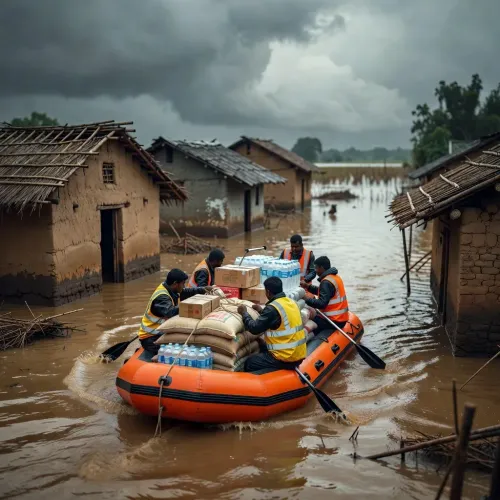
Floodwaters do not wait — and neither, Odisha Chief Minister Mohan Charan Majhi says, will the state's health machinery. On Saturday, 1 August 2026, Majhi announced that reaching every flood-affected family with essential healthcare is the government's top priority, with special focus on pregnant women, infants, the elderly, and other vulnerable persons.
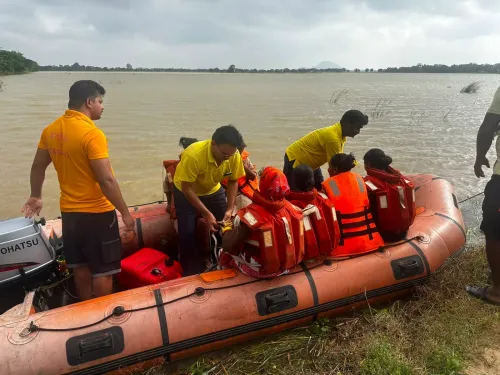
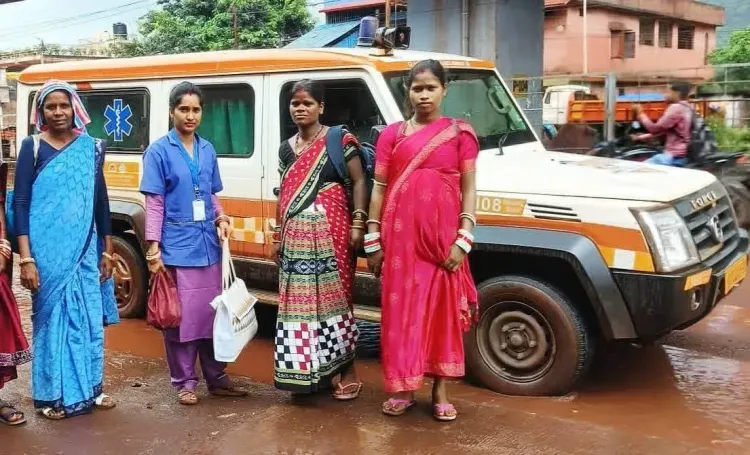
In his post, Majhi stated: 'The highest priority is being given to delivering essential healthcare to every family in flood-affected areas. The safety, treatment, and continuous health monitoring of pregnant mothers, infants, the elderly, and helpless individuals is being ensured. Health teams have reached the affected locations and are providing necessary medical services, health counselling, and emergency assistance.'
Medical Teams on the Ground
The announcement confirms that mobile health teams have already been deployed to affected sites — not placed on standby. The emphasis on continuous monitoring signals an intent to sustain presence beyond the immediate rescue phase, a critical distinction given that post-flood disease risk — waterborne illness, vector-borne infections — typically peaks days after waters rise.
Priority groups named by the Chief Minister align with standard disaster health protocols: pregnant women face heightened obstetric risk when regular facilities are cut off; infants and young children are disproportionately vulnerable to diarrhoeal disease; the elderly and disabled face compounded risk from displacement and interrupted chronic-disease management.
Odisha's Annual Flood Health Challenge
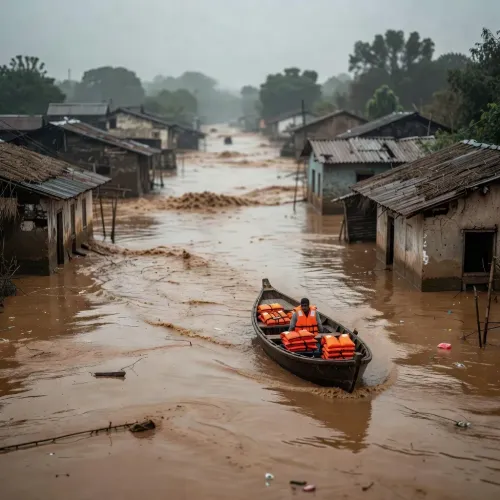
Odisha sits in the path of monsoon systems that regularly swell rivers including the Mahanadi, inundating low-lying districts across the state's coastal and interior belts. Successive state administrations have deployed mobile medical units during flood season, making outreach to vulnerable groups a recurring feature of disaster response. What matters in any given year is speed, coverage, and follow-through once the cameras move on.
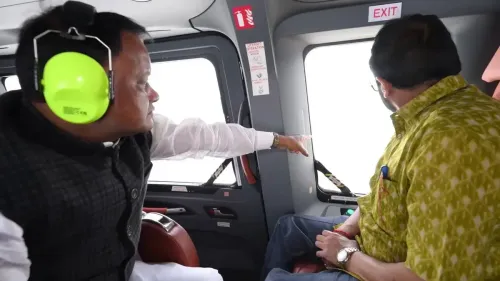
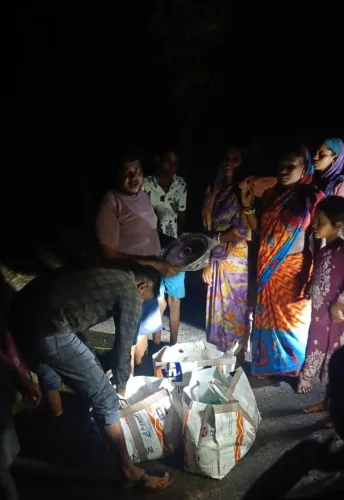
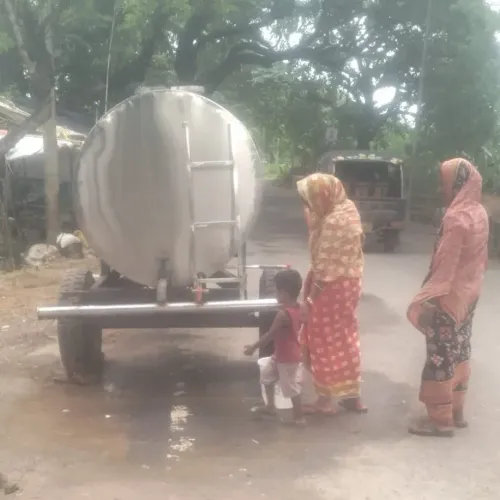
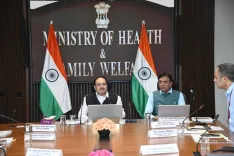
Majhi, who took office in June 2024, has staked visible personal attention on the current flood response — the post is accompanied by four images, suggesting ground-level documentation of teams at work. District-level disease surveillance and the durability of mobile clinic operations once floodwaters recede will be the real test of whether this deployment holds.
Point of View
Visible disaster management competence carries political weight in a state where floods are a near-annual test of governance. The focus on vulnerable sub-groups such as pregnant women and the elderly also tracks a broader national BJP framing of welfare delivery as targeted and identity-specific. Whether district-level implementation matches the Chief Minister's stated priorities will define the response's real legacy.
NationPress
1 Aug 2026
Frequently Asked Questions
What has Odisha CM Mohan Majhi announced about flood relief health services?
CM Mohan Charan Majhi announced on 1 August 2026 that mobile health teams have been deployed to all flood-affected areas in Odisha, with the highest priority given to reaching every family with essential healthcare, especially pregnant women, infants, the elderly, and vulnerable persons.
Which groups are being prioritised for healthcare in Odisha's flood-affected areas?
Pregnant women, infants, the elderly, and other vulnerable or helpless individuals have been identified as priority groups for medical treatment, health counselling, and continuous health monitoring.
Are health teams already on the ground in flood-hit Odisha villages?
Yes, according to CM Majhi's statement, health teams have already reached affected locations and are actively providing medical services, counselling, and emergency assistance — not merely on standby.
Why is Odisha frequently affected by floods?
Odisha is an eastern Indian state that lies in the path of monsoon weather systems. Rivers including the Mahanadi regularly overflow during the monsoon season, inundating low-lying coastal and interior districts each year.
When did Mohan Charan Majhi become Chief Minister of Odisha?
Mohan Charan Majhi assumed office as Chief Minister of Odisha in June 2024 , leading the BJP government that ended the long-running BJD administration in the state.