CM Majhi Reviews a Week of Reforms Across Odisha
Synopsis
Odisha Chief Minister Mohan Charan Majhi on 16 November 2026 posted a weekly governance recap citing progress on international partnerships, education, pensions, teacher demands, and infrastructure — continuing the BJP-led state government's inclusive-growth narrative since taking office in June 2024.
Key Takeaways
CM Mohan Charan Majhi posted a weekly governance summary on 16 November 2026 covering five broad areas of state activity.
The recap highlighted progress on international partnerships , education access , pension beneficiaries , teacher demands , and infrastructure restoration .
Majhi has led Odisha since June 2024 , when the BJP ended 24 years of BJD rule in the state.
Pension and teacher welfare are among the most politically sensitive portfolios the new government inherited from the previous administration.
The weekly-recap format is consistent with BJP-led state governments' communications strategy of regular, broad-based accountability signalling.
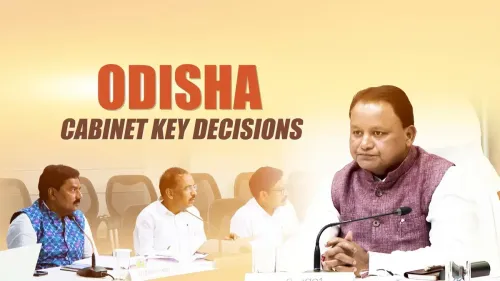
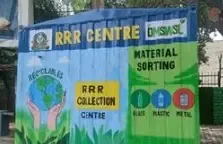
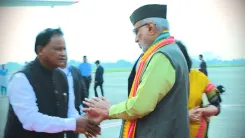
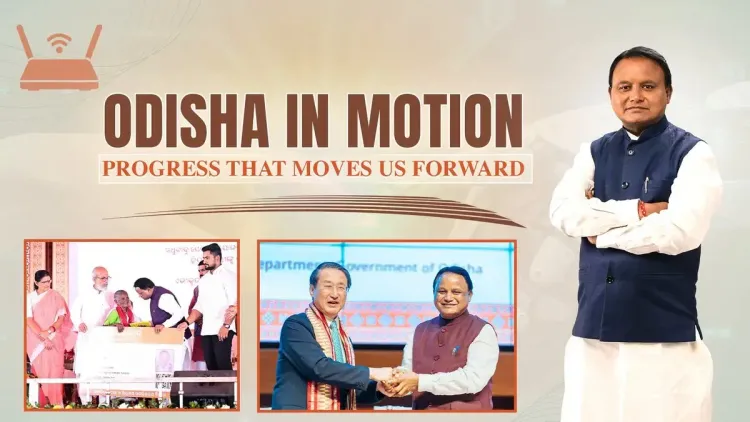
A week of movement on multiple fronts — that is how Odisha Chief Minister Mohan Charan Majhi framed the state's governance record in a post on Monday, 16 November 2026, citing progress on international partnerships, education access, pension rights, teacher demands, and infrastructure restoration in a single sweep.
In his own words, the week delivered 'impactful decisions, meaningful reforms and new opportunities,' with every initiative reflecting 'a commitment to inclusive growth and development.' The post, shared with a video, positions Odisha as a state moving 'closer to a stronger, more prosperous and future-ready' condition — the kind of compact, forward-leaning language that has defined the BJP-led government's public communications since it assumed office.
From BJD to BJP: a government still setting its terms
Majhi took charge in June 2024, ending 24 years of Biju Janata Dal rule in the state. The transition brought with it a substantial inbox: welfare schemes requiring review, a teachers' community with long-standing demands, and pension beneficiaries whose entitlements needed fresh scrutiny. The new administration has consistently framed its early actions as corrective and expansive — fixing what was pending, while adding new institutional ambitions. The breadth of this week's summary — spanning diplomatic engagement, education, pensions, teacher welfare, and physical infrastructure — is deliberate. It signals a government that wants to be seen operating on all cylinders simultaneously, rather than advancing a single flagship programme at the expense of others.Pension beneficiaries and teachers at the centre
Two of the most politically sensitive constituencies in any Indian state are pensioners and government teachers. Majhi's explicit mention of both groups in a weekly recap suggests these are not incidental wins — they are signal-worthy. Teacher demands, often a flashpoint between unions and state governments, and pension reforms that directly touch the lives of elderly and vulnerable beneficiaries, carry real electoral and social weight in Odisha. The reference to 'restoring vital infrastructure' adds another layer: a nod to physical delivery that complements the softer welfare messaging.Weekly recaps as governance communication
The format itself is worth noting. Weekly summary posts by chief ministers have become a standard tool of BJP-governed states — a consistent drumbeat of accountability-signalling that keeps the administration's narrative visible between major announcements. For Odisha, still consolidating a post-2024 political realignment, regularity of this kind of communication carries its own message: the government is working, and it wants that work seen. Watch the upcoming state assembly session and budget for the concrete allocations — on education and pensions especially — that will put numbers behind this week's words.Point of View
Social-welfare, and infrastructure threads into a single weekly frame, Majhi is reinforcing the BJP's post-2024 narrative of broad-spectrum governance — contrasting implicitly with the more centralised, personality-driven model of the previous BJD era. The emphasis on teacher demands and pension beneficiaries is especially pointed: these constituencies were sources of friction in the final years of BJD rule, and addressing them visibly is both a policy and an electoral investment. The real test will come in the assembly session and the state budget, where the specifics behind this week's summary will either hold up or invite scrutiny.
NationPress
16 Nov 2026
Frequently Asked Questions
What reforms did Odisha CM Mohan Majhi announce this week?
CM Majhi's post on 16 November 2026 cited progress across international partnerships, education access, pension beneficiary welfare, teacher demands, and infrastructure restoration, though specific scheme names were not detailed in the post.
When did Mohan Charan Majhi become Chief Minister of Odisha?
Mohan Charan Majhi became Chief Minister of Odisha in June 2024 after the BJP's victory in state assembly elections ended 24 years of Biju Janata Dal governance.
What is the BJP government doing for Odisha teachers?
CM Majhi referenced addressing teachers' demands as part of this week's governance activities; the previous BJD administration had left a backlog of teacher-community demands that the new government has been reviewing since 2024.
How is Odisha handling pension reforms under the new government?
The Majhi government has been reviewing welfare and pension schemes inherited from the BJD era since taking office in June 2024; the latest weekly recap flagged empowering pension beneficiaries as a focus area.
What does Odisha's 'future-ready state' goal mean under Majhi?
The phrase reflects the BJP-led government's framing of inclusive growth through simultaneous action on education, welfare, infrastructure, and international partnerships — a communications approach common to BJP-governed states positioning themselves as development-oriented administrations.