CM Majhi pays tribute to Khudiram Bose on martyrdom anniversary
Synopsis
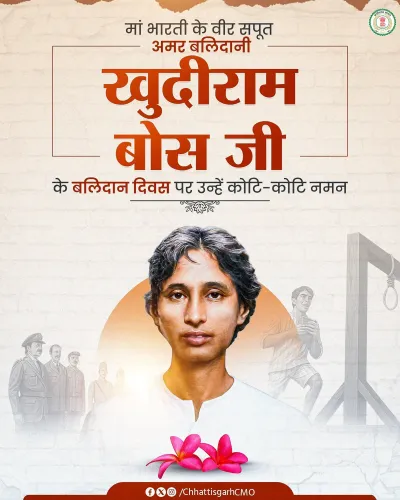
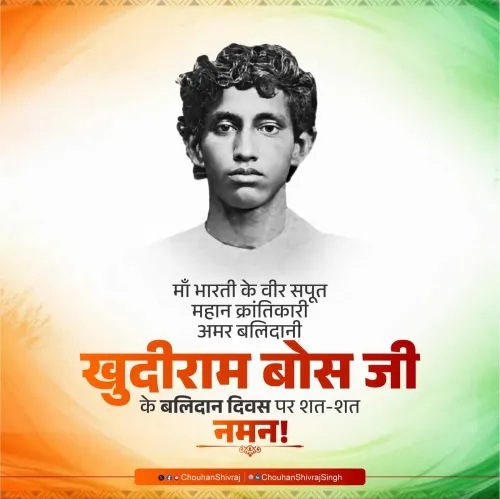
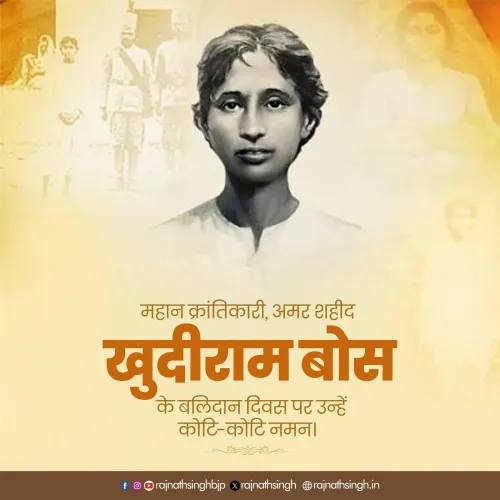
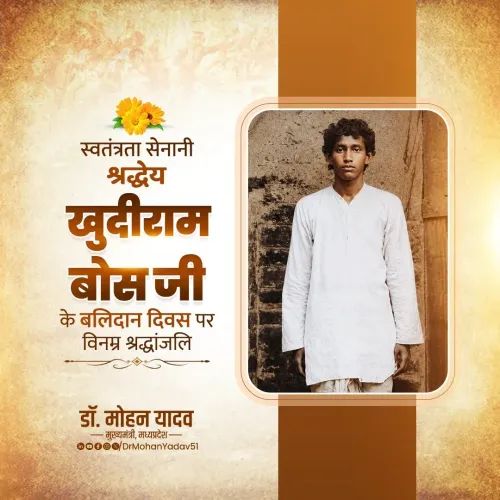
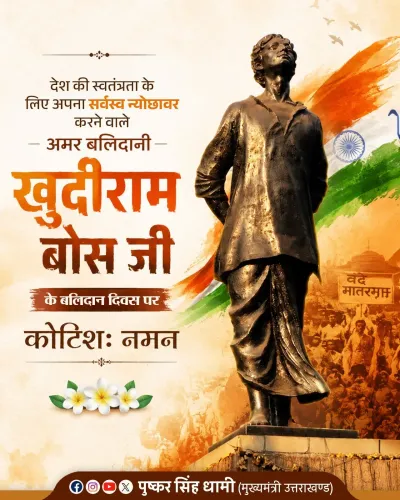
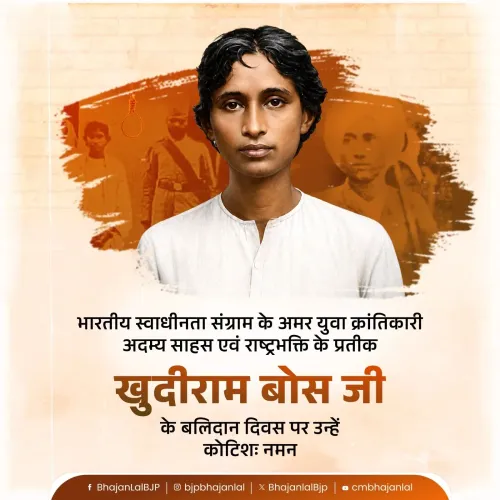
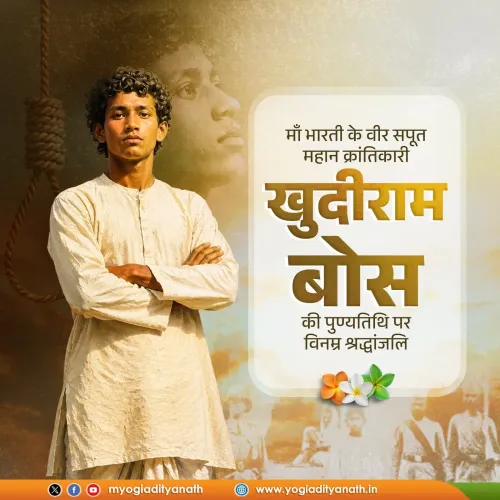
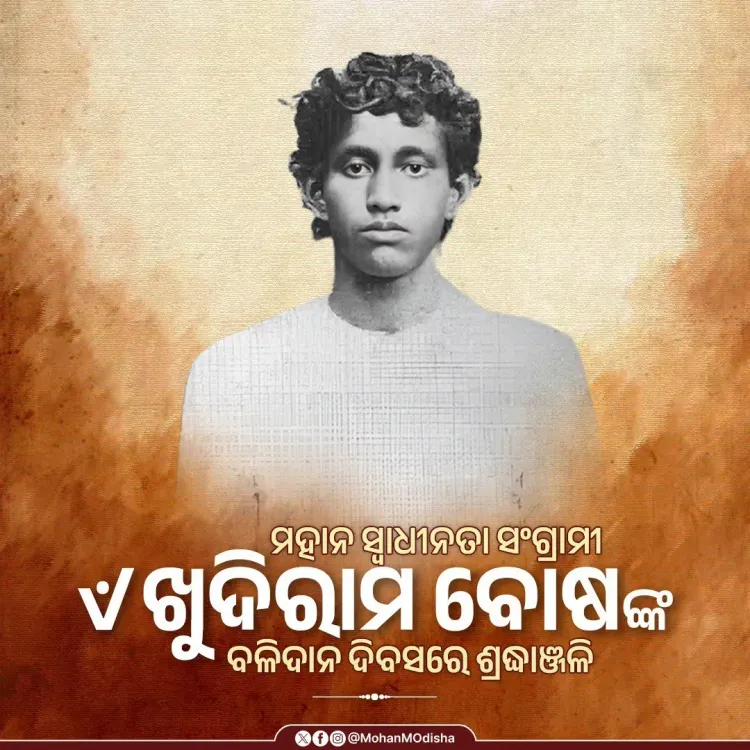
Odisha Chief Minister Mohan Charan Majhi on 11 August 2026 paid homage to Khudiram Bose, the 18-year-old Bengali revolutionary executed in 1908, calling his sacrifice an eternal inspiration for India's youth.
Key Takeaways
Odisha CM Mohan Charan Majhi posted a tribute to Khudiram Bose on 11 August 2026 on his martyrdom anniversary.
Khudiram Bose was executed in 1908 at age 18 , making him one of the youngest martyrs of India's independence movement.
CM Majhi wrote in Odia that Bose's 'immortal sacrifice and patriotism will always inspire us.' The tribute is part of a broader BJP pattern of publicly honouring pre-Gandhian revolutionary freedom fighters around Independence Day in August.
Bose belongs to the revolutionary nationalist tradition — distinct from the Gandhian civil-disobedience strand — that has seen growing public commemoration in recent years.
At 18 years old, Khudiram Bose walked to the gallows — the youngest revolutionary to be executed in British India's independence struggle. On Tuesday, 11 August 2026, Odisha Chief Minister Mohan Charan Majhi paused to honour that sacrifice, offering a solemn tribute to the Bengali revolutionary on his martyrdom anniversary.
Writing in Odia, CM Majhi offered his binamra shraddhanjali — humble homage — to Bose, stating that 'his immortal sacrifice and patriotism for the country's freedom will always inspire us.'
Who was Khudiram Bose — and why he still matters
Khudiram Bose was a Bengali revolutionary who became one of the earliest and most iconic martyrs of India's independence movement. In 1908, he was arrested and executed for his role in a bomb attack targeting British officials — an act that shocked colonial authorities and galvanised a generation of young nationalists. He was barely out of boyhood when he died, and that youth became the very symbol of his legend.
His story belongs to the pre-Gandhian revolutionary tradition — a strand of the freedom struggle defined by armed defiance rather than civil disobedience. That tradition has seen renewed public emphasis in recent years, with state and central leaders marking its key anniversaries alongside the mainstream independence movement calendar.
August's martyrdom calendar and BJP's revolutionary nationalism
CM Majhi's tribute fits a consistent pattern: state-level BJP leaders routinely issue public commemorations for revolutionary freedom fighters, particularly in the weeks surrounding Independence Day on 15 August. For Odisha's leadership, these posts serve a dual purpose — connecting the state's citizens to the national freedom struggle narrative while reinforcing a political identity rooted in revolutionary patriotism.
August is dense with such anniversaries, and Bose's martyrdom is among the most emotionally resonant — a teenager who chose death over submission, whose name became a rallying cry long before independence was won.
As India moves through the Amrit Kaal — the 75-to-100-year arc from independence to 2047 — tributes like this one are less ceremonial footnotes and more deliberate acts of national memory-keeping. The youngest martyr of the independence movement, it turns out, has never really left the conversation.
Point of View
Invoking an iconic Bengali revolutionary also signals a pan-Indian nationalist identity that transcends regional boundaries. The pattern suggests these tributes are less spontaneous gestures and more a structured effort to shape how India's freedom struggle is remembered in the Amrit Kaal era.
NationPress
26 Sept 2026
Frequently Asked Questions
Who was Khudiram Bose?
Khudiram Bose was a Bengali revolutionary and one of India's youngest freedom fighters, executed by British authorities in 1908 at the age of 18 for his role in a bomb attack targeting colonial officials.
When did Khudiram Bose die?
Khudiram Bose was executed in 1908, making him one of the youngest martyrs of India's independence movement.
Why did CM Majhi pay tribute to Khudiram Bose?
Odisha Chief Minister Mohan Charan Majhi posted a tribute on 11 August 2026 to mark Khudiram Bose's martyrdom anniversary, calling his sacrifice an eternal inspiration for the country.
What did CM Majhi say about Khudiram Bose?
Writing in Odia, CM Majhi offered humble homage to Bose and said that 'his immortal sacrifice and patriotism for the country's freedom will always inspire us.'
Why is Khudiram Bose remembered in August?
Khudiram Bose's martyrdom anniversary falls in August, close to India's Independence Day on 15 August, making it a prominent date in the national freedom struggle commemoration calendar.