CM Majhi Launches 'Samarpan' Digital Hundi at Jagannath Temple
Synopsis
Chief Minister Mohan Charan Majhi launched 'Samarpan', a digital hundi platform at Puri's Shree Jagannath Temple, on the eve of Rath Yatra. The system lets crores of global devotees make transparent online offerings to the temple, extending a decade-long push to digitise temple services in Odisha.
Key Takeaways
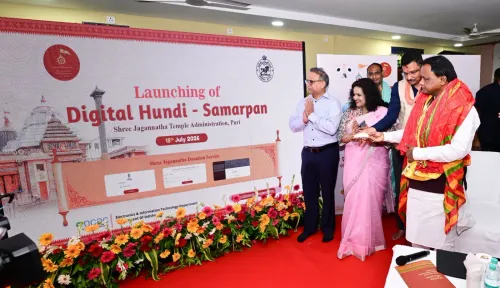
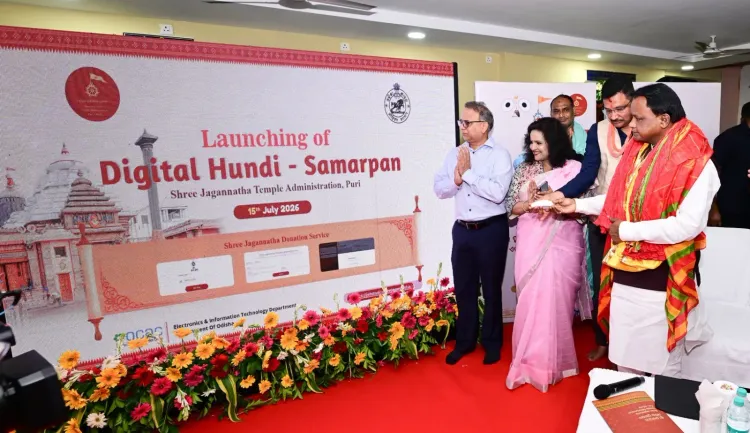
CM Mohan Charan Majhi inaugurated the 'Samarpan' digital hundi at the Shree Jagannath Temple Administration Office in Puri on 15 July 2026 .
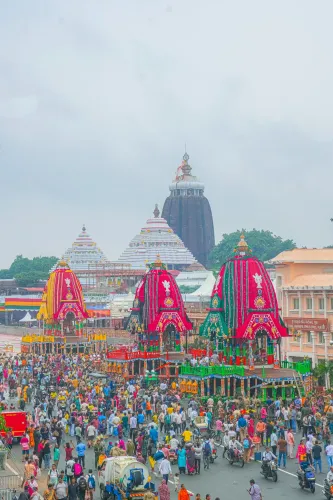
The launch was timed on the eve of Rath Yatra , one of India's largest religious gatherings, to maximise devotee reach and visibility.
Samarpan enables global and diaspora devotees to make digital donations to the Jagannath Temple without being physically present.
The platform is positioned as a transparent, auditable alternative to traditional cash-based hundi collections at the temple.
Odisha's move follows similar digital donation rollouts at Tirupati and Vaishno Devi , reflecting a national trend in e-governance for religious sites.
Adoption metrics during the Rath Yatra period will be the first real-world test of the platform's scale and user uptake.
The Chief Minister's Office of Odisha announced on Wednesday, 15 July 2026 that Chief Minister Mohan Charan Majhi inaugurated a state-of-the-art digital donation platform called 'Samarpan' (Devotion) at the Shree Jagannath Temple Administration Office in Puri, on the eve of the sacred Rath Yatra festival.
The post, written in Odia, quotes CM Majhi describing the initiative in expansive terms: 'Digital Hundi - Samarpan' is not merely a technology-based reform — it is 'a sacred and transparent bridge connecting the devotion and dedication of crores of Jagannath devotees across the world with the Shree Mandir.'
Context
The launch was timed deliberately on the eve of Rath Yatra, one of the largest religious gatherings in India, which draws millions of pilgrims to Puri each year. The Shree Jagannath Temple, a pre-eminent Vaishnavite shrine, is managed by a state-administered body under the Government of Odisha. By introducing Samarpan at this moment, the state government sought to maximise visibility and adoption among the surge of devotees attending the festival.
The hundi — a traditional donation box at temples — has long been a cornerstone of temple revenue. Digitising it extends the reach of the institution to global devotees, including the large Odia diaspora, who can now make offerings without being physically present at the temple.
Policy Backdrop
Odisha has been incrementally digitising temple services since the 2010s, including online darshan registration and information portals at the Jagannath Temple. The Samarpan platform is the latest step in that trajectory, bringing the donation mechanism into the digital fold. Across India, state governments have introduced similar digital payment and donation systems at major shrines — including Tirupati in Andhra Pradesh and Vaishno Devi in Jammu and Kashmir — with the twin goals of improving transparency and reducing cash-handling risks.
The broader national push toward e-governance in religious administration reflects an effort to align temple management with digital-public-service standards, ensuring accountability in the flow of donations that can run into crores of rupees annually.
Stakeholders and Impact
Global devotees and the Odia diaspora stand to benefit most directly, gaining a formal, state-backed digital channel to contribute to the temple they revere. For the Shree Jagannath Temple Administration, the platform promises greater transparency and an auditable trail for donations, reducing the scope for discrepancies in cash-based collections. Pilgrims visiting Puri will also have an additional, cashless option for making offerings during high-footfall events such as Rath Yatra.
Civil society groups and religious oversight bodies that have historically called for greater accountability in temple finances may view Samarpan as a meaningful institutional reform, though sustained scrutiny of its implementation will determine its long-term credibility.
What's Next
The immediate test for Samarpan will be its adoption during the Rath Yatra period, when devotee traffic — both physical and digital — peaks sharply. Observers will watch whether the platform integrates with existing temple apps or state digital infrastructure, and whether rollout metrics are made public. The Government of Odisha is expected to track transaction volumes and user adoption as indicators of the platform's success, with potential expansion to other temples in the state a longer-term possibility.
Point of View
CM Majhi is attempting to neutralise potential resistance from traditionalists while appealing to a tech-savvy, globally dispersed devotee base. The move fits a wider pattern of BJP-led state governments using temple modernisation as both a governance credential and a cultural-identity signal. Whether Samarpan delivers on its transparency promise will depend on public disclosure of transaction data — the absence of which would leave the reform vulnerable to the same accountability questions that dogged its cash-based predecessor.
NationPress
16 Jul 2026
Frequently Asked Questions
What is Samarpan digital hundi at Jagannath Temple?
Samarpan is a state-launched digital donation platform that allows devotees anywhere in the world to make online offerings to the Shree Jagannath Temple in Puri , replacing or supplementing the traditional cash hundi box.
Who launched the Samarpan digital hundi?
Chief Minister Mohan Charan Majhi of Odisha inaugurated the Samarpan digital hundi at the Shree Jagannath Temple Administration Office in Puri on 15 July 2026 .
Why was the digital hundi launched on the eve of Rath Yatra?
The Government of Odisha timed the launch to coincide with the eve of Rath Yatra — the annual chariot festival that draws millions of devotees — to maximise awareness and early adoption of the new platform.
Can overseas devotees use the Samarpan digital hundi?
Yes. A central purpose of Samarpan is to connect the global Jagannath devotee community , including the Odia diaspora, with the temple through a transparent digital channel, enabling donations without physical presence in Puri.
How does Odisha's digital hundi compare to other temples in India?
Similar digital donation systems have been introduced at major temples including Tirupati in Andhra Pradesh and Vaishno Devi in Jammu and Kashmir. Samarpan follows this national trend of digitising temple finances to improve transparency and reduce cash-handling risks.