CM Majhi: Odisha Govt in Full Battle Mode Against Cyclone Akban
Synopsis
Odisha Chief Minister Mohan Charan Majhi on 20 November 2026 confirmed that the state government is fully mobilised against Cyclone Akban — evacuating coastal residents, providing shelter, and supplying hot cooked meals — calling public safety the administration's highest priority.
Key Takeaways
CM Mohan Charan Majhi confirmed on 20 November 2026 that the Odisha government is in full operational mode against Cyclone Akban .
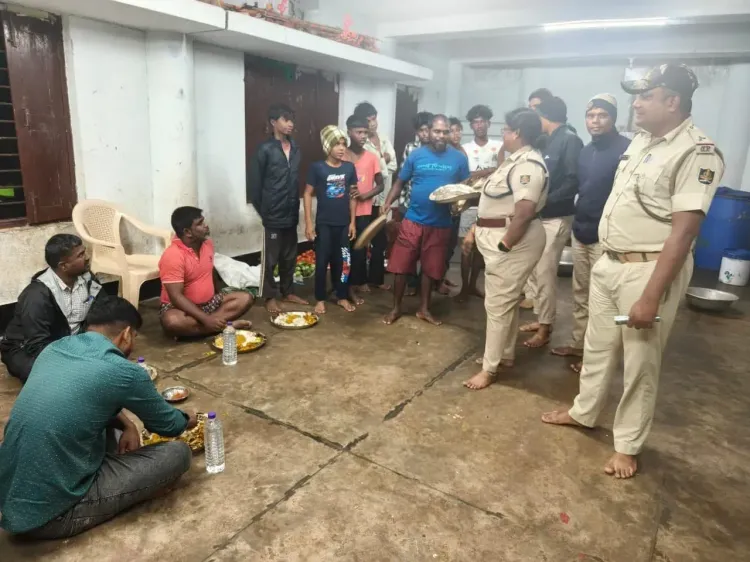
Residents evacuated from high-risk coastal zones are being housed in designated shelters and provided cooked meals .
Majhi called ensuring public safety and essential facilities the government's 'highest priority.' Odisha built its disaster-response framework after the 1999 super cyclone that killed over 10,000 people .
During Cyclone Fani (2019) , the state evacuated over 1.2 million people in under 48 hours , holding deaths below 50.
Majhi has led Odisha as the state's first BJP Chief Minister since June 2024 .
As Cyclone Akban bears down on Odisha's coast, Chief Minister Mohan Charan Majhi has confirmed that the state government is running at full operational tempo — evacuating residents from vulnerable zones, housing them in shelters, and ensuring hot cooked meals reach every displaced family.
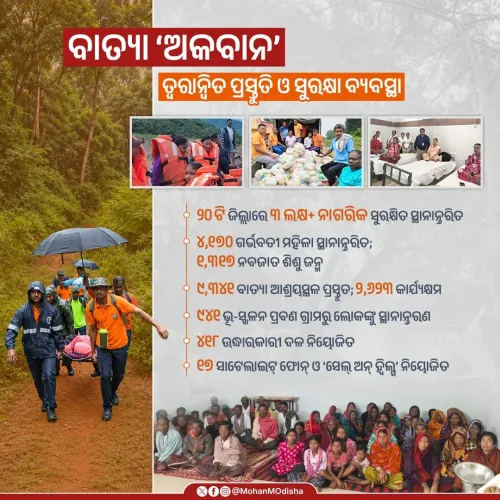
Posting on Friday, 20 November 2026, CM Majhi wrote in Odia: 'ବାତ୍ୟା ଅକବାନ'ର ମୁକାବିଲା ପାଇଁ ଲୋକଙ୍କ ସରକାର ସମସ୍ତ ପ୍ରୟାସ ଜାରି ରଖିଛନ୍ତି' — 'the people's government is continuing all efforts to deal with Cyclone Akban.' He added that those evacuated from high-risk areas are being provided safe shelter and cooked food, and that ensuring public safety and essential facilities is the government's 'highest priority.'
Odisha's Hard-Won Playbook, Run Again
Odisha was not always this prepared. The catastrophic 1999 super cyclone killed over 10,000 people and rewired the state's approach to disaster management entirely. In its aftermath, the state built a dedicated Odisha State Disaster Management Authority, erected a network of purpose-built cyclone shelters along the Bay of Bengal coastline, and institutionalised early-warning drills.
The investment paid off dramatically during Cyclone Fani in 2019, when authorities evacuated more than 1.2 million people in under 48 hours — a feat that drew international attention — holding deaths to fewer than 50. Cyclone Yaas in 2021 tested and further refined those systems. Each successive storm has added a layer of institutional muscle memory.
Majhi's BJP Government Inherits and Extends the Tradition
CM Majhi, who took office in June 2024 as Odisha's first BJP Chief Minister, is now deploying that inherited machinery against Akban. The emphasis on cooked food at shelters — not just dry rations — signals a welfare-forward operational posture, addressing both physical safety and basic dignity for displaced families.
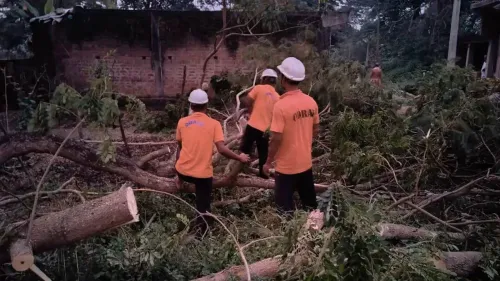
Attached images shared with the post showed on-ground relief operations in progress. The state's response framework typically involves district collectors, the National Disaster Response Force (NDRF), and pre-positioned food and medical supplies — all elements of a protocol decades in the making.
What the Coming Hours Will Determine
The critical variables now are the cyclone's exact landfall point and intensity, the number of people still requiring evacuation, and whether the state will formally request additional central government assistance. CM Majhi's public update signals the administration is actively communicating — an important part of maintaining public trust during a live emergency.
Odisha has turned cyclone response into something close to a science. The question Akban will answer is whether that science holds under its specific conditions.
Point of View
Effective disaster response is also a political proof-point: Odisha's globally recognised evacuation protocols were built under earlier administrations, and inheriting and executing them credibly is essential to Majhi's legitimacy in a state prone to annual cyclone crises. The specific mention of cooked meals — not merely shelter — signals a deliberate shift toward dignity-centric relief, a marker of administrative maturity. With central elections cycles never far away, how Akban is handled will be scrutinised as closely as any policy announcement.
NationPress
20 Nov 2026
Frequently Asked Questions
What is Cyclone Akban and where is it headed?
Cyclone Akban is an active cyclonic system threatening the coast of Odisha as of 20 November 2026 . The exact landfall point and intensity are being monitored by authorities.
What is the Odisha government doing about Cyclone Akban?
Chief Minister Mohan Charan Majhi confirmed evacuations from high-risk zones are underway, with displaced residents housed in cyclone shelters and provided hot cooked meals.
How has Odisha handled past cyclones?
Odisha overhauled its disaster response after the 1999 super cyclone killed over 10,000 people . By Cyclone Fani in 2019 , the state evacuated more than 1.2 million people in under 48 hours , limiting deaths to fewer than 50.
Who is Odisha Chief Minister Mohan Charan Majhi?
Mohan Charan Majhi is the Chief Minister of Odisha and a BJP leader who took office in June 2024 , becoming the state's first BJP Chief Minister.
Will the central government send NDRF teams to Odisha for Cyclone Akban?
No formal request for central assistance or NDRF deployment has been announced yet. Officials are monitoring the cyclone track and assessing needs on the ground.