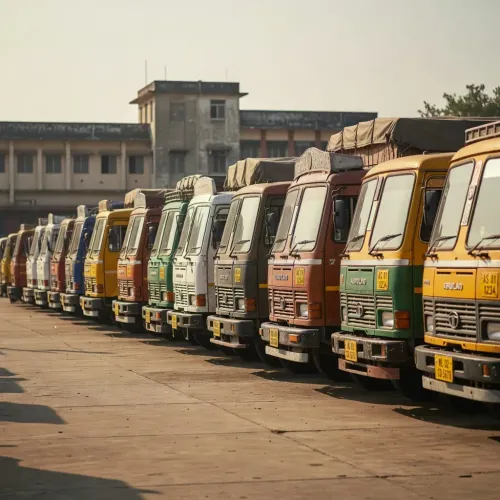
Assam Govt: Zero Tolerance on Speed Limiter Tampering
Synopsis
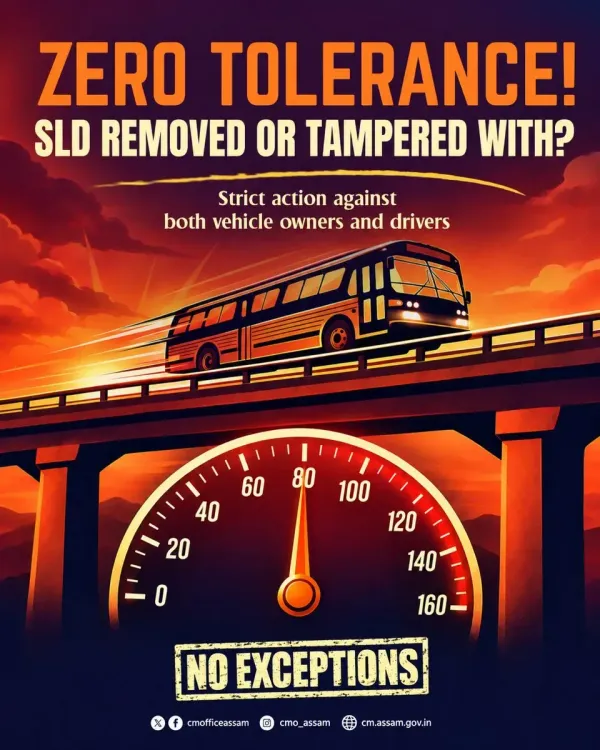
The Government of Assam has declared zero tolerance on Speed Limiting Device tampering, warning that both vehicle owners and drivers face strict legal action if SLDs are found removed or disabled — a firm push under the ongoing #DriveSafeAssam road safety campaign.
Key Takeaways
The Government of Assam has announced a zero-tolerance policy on Speed Limiting Device (SLD) tampering or removal.
Both vehicle owners and drivers face strict legal action — no exceptions will be granted.
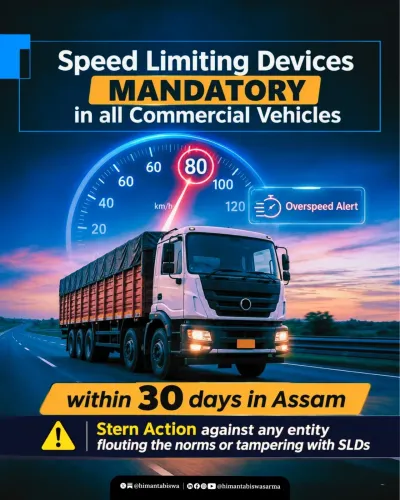
SLDs were made mandatory in commercial vehicles under Central Motor Vehicles Rules (2015–2017) following Supreme Court directions.
The warning was issued under the state's #DriveSafeAssam road safety campaign on 20 November 2026 .
The move aligns with a national pattern of stricter enforcement targeting vehicle safety device compliance across Indian states.
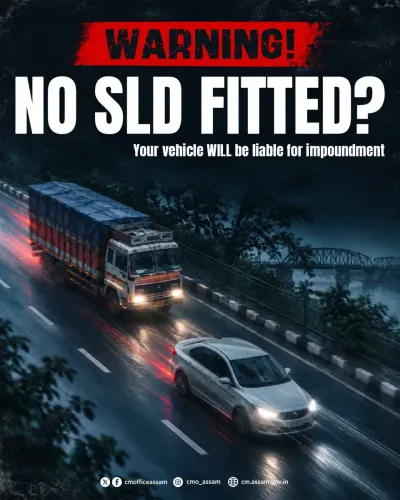
Tamper with a Speed Limiting Device in Assam, and there will be no second chances. The Government of Assam issued a sharp warning on Friday, 20 November 2026, declaring that both vehicle owners and drivers face strict legal action if Speed Limiting Devices (SLDs) are found removed or tampered with — no exceptions, no excuses.
What the zero-tolerance order actually means
The directive, amplified under the state's #DriveSafeAssam campaign, closes a loophole that road safety enforcers have long flagged: SLDs being quietly disabled after a vehicle passes inspection. By placing legal liability squarely on both the owner and the driver, the government ensures neither party can claim ignorance. The dual accountability framework is a deliberate pressure point — fleet operators can no longer simply blame a driver, and drivers cannot point to an owner's instructions as a defence.
SLDs, the Motor Vehicles Act, and Assam's enforcement moment
Speed Limiting Devices are not new. Amendments to the Central Motor Vehicles Rules between 2015 and 2017 made SLDs mandatory in commercial vehicles following directions from the Supreme Court of India on road safety compliance. What has varied sharply from state to state is enforcement rigour. Assam's zero-tolerance posture now puts the state among those treating SLD tampering as a prosecutable offence rather than a minor infraction.
Speeding is one of India's leading causes of road fatalities, and commercial vehicles — trucks, buses, tempos — are disproportionately involved in high-casualty crashes. An SLD that has been bypassed is, in effect, a safety system that exists only on paper. The state's latest warning signals that paper compliance will no longer pass muster.
Who is in the crosshairs: owners, drivers, and commercial fleets
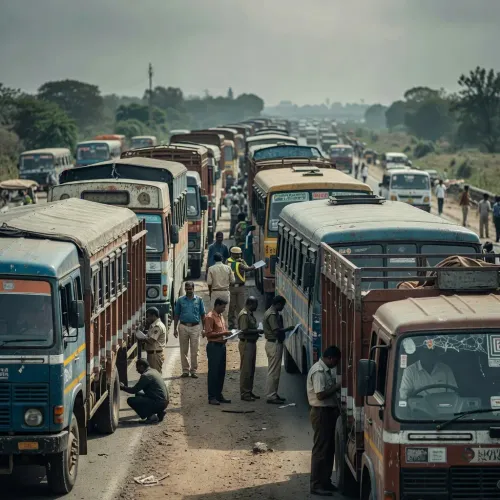
The warning lands hardest on commercial transporters — logistics firms, bus operators, and goods-vehicle owners who run large fleets across Assam's highways and hill roads. For individual owner-operators, the message is equally direct: the device stays fitted and functional, or legal proceedings follow. Enforcement mechanisms — including inspection drives and the country's expanding e-challan framework — are the natural next step, though specific rollout details have not yet been announced.
Assam is not alone in tightening this net. Several states have launched similar compliance drives targeting both private and public transport, reflecting a national shift toward treating vehicle-safety-device tampering as a criminal, not merely administrative, matter.
Road safety in Assam just got a harder edge — and every commercial vehicle on the state's roads now carries a simple choice: keep the limiter on, or face the law.
Point of View
The state is trying to dismantle the blame-shifting culture that has historically blunted enforcement. If backed by credible inspection drives and e-challan integration, this could mark a genuine shift in how transport safety norms are policed at the state level. The real test, as always, will be consistent field enforcement rather than periodic warning cycles.
NationPress
20 Nov 2026
Frequently Asked Questions
What is a Speed Limiting Device (SLD) and why is it mandatory?
A Speed Limiting Device (SLD) is an electronic unit fitted to a vehicle that caps its maximum speed, preventing overspeeding. SLDs were made mandatory in commercial vehicles in India under amendments to the Central Motor Vehicles Rules between 2015 and 2017, following Supreme Court directions aimed at reducing road accident fatalities.
What action will Assam take if an SLD is found tampered with?
The Government of Assam has declared a zero-tolerance policy, warning that strict legal action will be taken against both the vehicle owner and the driver if an SLD is found removed or tampered with, with no exceptions granted.
Does the SLD rule apply to private vehicles or only commercial ones?
The original Central Motor Vehicles Rules mandated SLDs specifically for commercial vehicles. Assam's current warning applies to vehicle owners and drivers broadly, with commercial transporters, bus operators, and goods-vehicle fleets being the primary target of compliance enforcement.
What is the #DriveSafeAssam campaign?
#DriveSafeAssam is a state-level road safety initiative by the Government of Assam, used to promote compliance with vehicle safety norms including the mandatory use and maintenance of Speed Limiting Devices.
Is Assam the only state enforcing SLD compliance strictly?
No. Several Indian states have launched similar compliance drives targeting SLD tampering in both private and public transport fleets, reflecting a broader national shift toward treating vehicle-safety-device tampering as a prosecutable offence under the Motor Vehicles Act framework.