CM Bhupendra Patel Visits Dahod, Talks Livelihoods With Fishermen
Synopsis
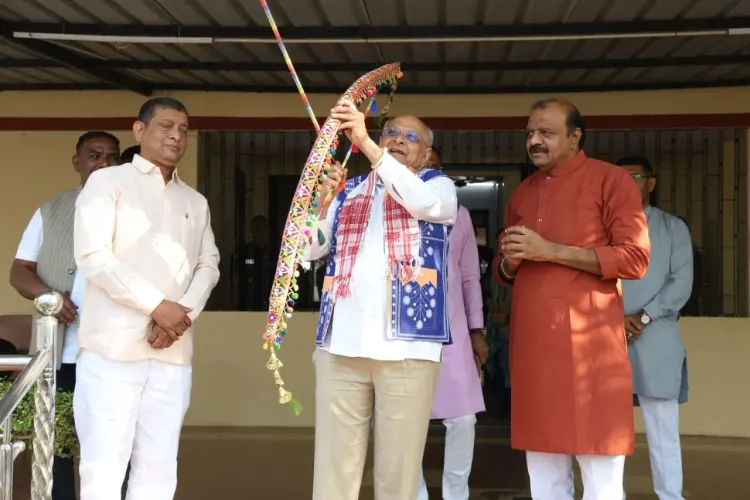
Chief Minister Bhupendra Patel visited Dahod on 20 November 2026, holding direct conversations with local fishermen on daily livelihoods, education, and trade, and planting a banyan sapling at Neer Vatika, Pata Dungri, to underscore environmental conservation.
Key Takeaways
CM Bhupendra Patel visited Dahod on 20 November 2026 as part of an eastern Gujarat district outreach.
He engaged directly with local fishermen on their daily work, trade, employment, income, and their children's education.
The visit reflects Gujarat's recurring pattern of administrative feedback sessions in its tribal eastern belt.
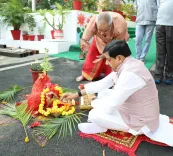
Patel planted a banyan sapling at Neer Vatika, Pata Dungri , conveying a message of environmental conservation and green cover promotion.
No specific policy announcements or scheme commitments have been confirmed from the Dahod discussions.
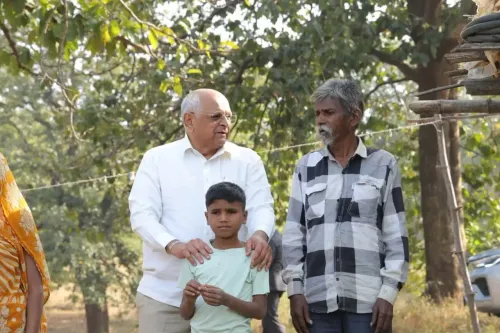
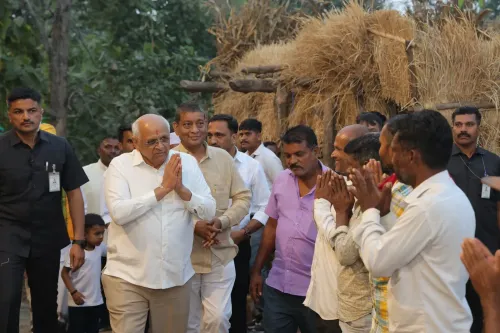
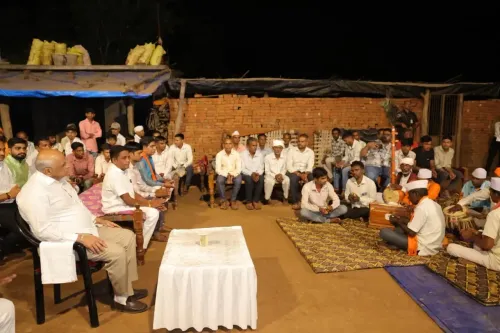
Sitting alongside fishermen at a lakeside in Dahod, Chief Minister Bhupendra Patel did something simple and deliberate on Friday, 20 November 2026 — he listened. The Chief Minister's Office of Gujarat confirmed that during his Dahod visit, Patel held direct conversations with local fishing communities, covering everything from daily earnings to the schooling of their children.
According to the Chief Minister's Office, Patel engaged fishermen on a wide range of livelihood concerns: the specifics of their fishing trade, employment conditions, household income, and local commerce. The exchange reflects a pattern of ground-level administrative outreach that has defined Gujarat's approach to its eastern tribal belt, where reservoir-based fishing communities form a critical but often underserved economic layer.
Dahod's fishing communities and what they told the CM
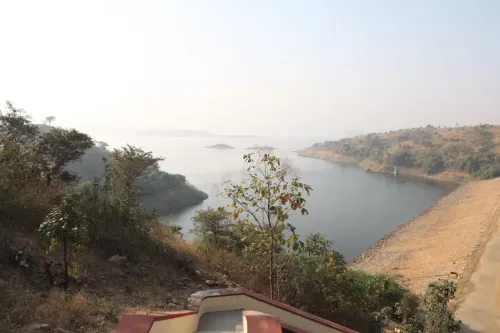
Dahod district sits in eastern Gujarat with a substantial tribal population and a fishing economy built around local water bodies. These communities rarely surface in state-level policy discussions, which makes a direct dialogue with the Chief Minister — covering income, trade, and children's education in one sitting — an unusually direct feedback channel from village to state leadership.
The post notes the conversation spanned 'maachhimaarono ni rojaindi kamgiri' (the fishermen's daily work), their trade, their children's schooling, employment, income, and commerce — a breadth that suggests the visit was structured as a listening exercise rather than a ceremonial drop-in.
A banyan sapling at Neer Vatika, Pata Dungri
Patel also planted a banyan sapling at Neer Vatika, located at Pata Dungri, carrying an explicit message of environmental conservation and the promotion of greenery. The choice of a banyan — ecologically significant, deeply rooted in Indian landscape — amplifies the symbolism of the gesture beyond a routine plantation drive.
Tree-plantation moments during field visits have been a recurring element of Gujarat's district-level outreach, threading environmental messaging into administrative tours rather than treating them as standalone events. The Neer Vatika setting — a garden dedicated to water and nature — reinforces that frame.
Whether Friday's conversations translate into follow-up action on fisheries welfare, vocational training, or school infrastructure in Dahod will be the real measure of the visit's impact — and local communities will be watching.
Point of View
Such outreach in Dahod, a district with a significant Scheduled Tribe population and historically contested political ground, carries strategic value beyond the optics of a single visit. The deliberate breadth of the fishermen's dialogue — spanning income, trade, education, and employment in one conversation — suggests the state is aggregating ground-level data on livelihood gaps. The critical test will be whether this feedback loop closes with concrete follow-up on fisheries welfare or tribal education, or whether it remains a signal without a sequel.
NationPress
20 Nov 2026
Frequently Asked Questions
Why did CM Bhupendra Patel visit Dahod?
CM Bhupendra Patel visited Dahod on 20 November 2026 to engage with local communities, including fishermen, on livelihood issues such as income, trade, employment, and education, and to participate in a tree-plantation event at Neer Vatika.
What did CM Patel discuss with Dahod fishermen?
He discussed fishermen's daily work routines, the fishing trade, their children's education, employment opportunities, household income, and local commerce during his lakeside dialogue.
What is Neer Vatika in Dahod?
Neer Vatika is a garden located at Pata Dungri in Dahod where CM Patel planted a banyan sapling to promote environmental conservation and green cover.
What is the significance of Dahod for Gujarat's tribal outreach?
Dahod is an eastern Gujarat district with a large tribal population and reservoir-based fishing communities. It is a key focus of the state's administrative outreach to address livelihood, education, and employment gaps in underserved areas.
Did CM Patel announce any new scheme for Dahod fishermen?
No specific policy announcement or scheme commitment has been confirmed from the Dahod visit as of now. The Chief Minister's Office described the engagement as a dialogue on livelihood and trade issues.