Maharashtra sets May 2027 deadline for 34.8 lakh groundwater recharge structures
Synopsis
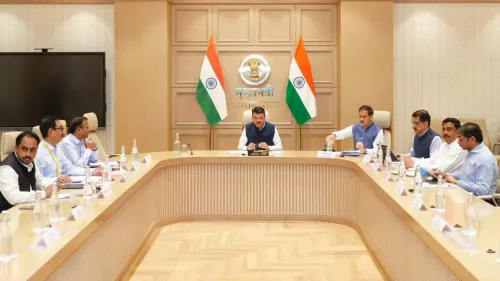
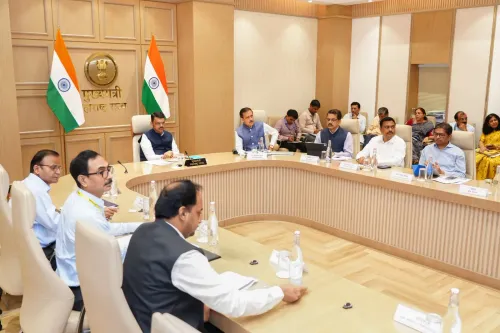
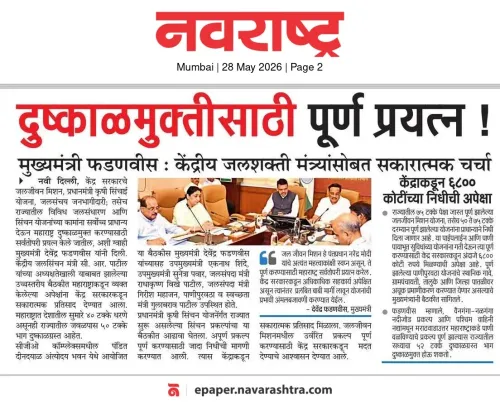
The Maharashtra government has announced a May 2027 deadline to bring 34.8 lakh structures across the state into active groundwater recharge. The initiative, highlighted by CM Devendra Fadnavis's office, extends the state's long-standing water-conservation drive into drought-hit Marathwada and Vidarbha.
Key Takeaways
The Maharashtra government has set a May 2027 deadline for groundwater recharge across 34.8 lakh structures statewide.
The programme targets artificial recharge through existing structures such as rooftops and open plots connected to percolation and recharge systems.
Marathwada and Vidarbha , Maharashtra's most drought-vulnerable regions, are the primary focus areas.
The initiative builds on the legacy of the Jalyukt Shivar Abhiyan launched in 2015 under CM Devendra Fadnavis .
Primary beneficiaries are farmers and rural households dependent on groundwater for irrigation and drinking water.
Progress monitoring and verified groundwater-level changes in priority talukas will be the key indicators to watch as the deadline nears.
A deadline, a number, and an ambition that could reshape water security for millions of rural Maharashtra — the Chief Minister's Office of Maharashtra announced on Friday, 20 November 2026, that the state government has set a May 2027 target to bring 34.8 lakh structures across Maharashtra into active groundwater recharge.
What 34.8 lakh structures actually means on the ground
These are not new constructions from scratch. The programme covers existing built structures — rooftops, compounds, open land plots — that can be retrofitted or connected to recharge wells, percolation pits, and channelling systems to push rainwater back into depleted aquifers. At 34.8 lakh units, the scale is enormous: it would make Maharashtra's artificial-recharge network one of the largest state-level groundwater interventions in the country.
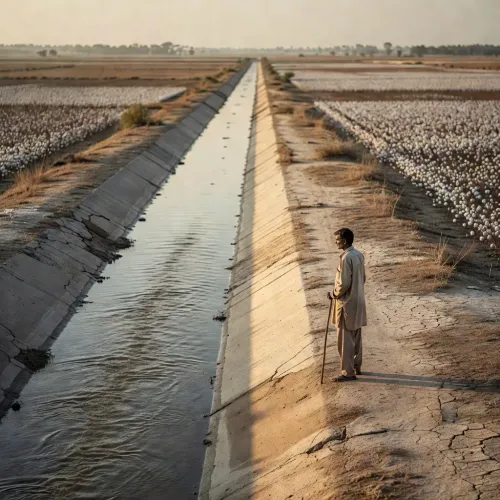
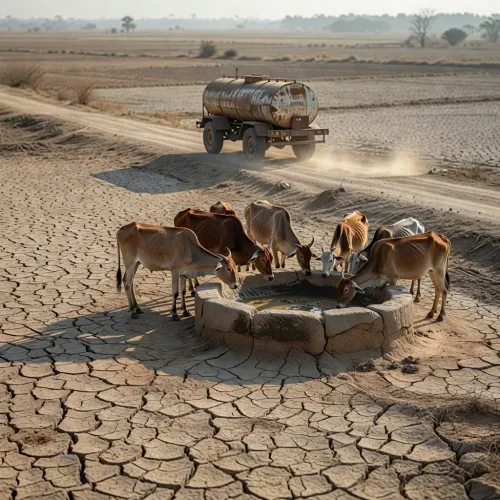
The push is squarely aimed at the most water-stressed corners of the state — Marathwada and Vidarbha, where groundwater tables have been in chronic retreat for years, and where a failed monsoon can tip entire farming districts into crisis within weeks.
Fadnavis, Jalyukt Shivar, and the long arc of Maharashtra's water politics
Chief Minister Devendra Fadnavis has made water conservation a signature priority across his tenures. The philosophical lineage of this initiative runs directly to the Jalyukt Shivar Abhiyan, launched in 2015 under his first term, which built thousands of check dams and percolation tanks across drought-prone talukas with the stated goal of making villages water-self-sufficient.
That programme drew both praise for its coverage and scrutiny over its outcomes. The new structural recharge target signals the government is doubling down on the same logic — more infrastructure, wider coverage, harder deadline — while extending the approach from rural watersheds to individual structures inside settlements.
Who stands to gain — and what to watch next
Farmers and rural households are the primary beneficiaries if the groundwater table rises: lower cost of extraction, reduced dependence on erratic monsoons, and more reliable drinking water through dry months. Maharashtra's agricultural belt has seen wells fail and tanker dependency spike in drought years, so even a partial stabilisation of water tables can have outsized economic impact.
The critical test will come in progress monitoring. Experts and civil-society groups have consistently flagged the gap between structure creation and verified recharge outcomes — a check dam built is not automatically a water table recharged. Watch for official assessments of groundwater-level changes in priority talukas as the May 2027 deadline approaches.
Maharashtra has set the clock. The rains, the groundwater, and the implementation machinery will determine whether it rings.
Point of View
Verifiable deadline ahead of the next electoral cycle. Maharashtra's water politics have long been shaped by the Marathwada and Vidarbha drought belt, and any measurable improvement in groundwater tables in those regions carries disproportionate political weight. However, the gap between structure creation and confirmed recharge outcomes has haunted earlier programmes, and the government's willingness to publish granular progress data will determine whether this initiative escapes the same scrutiny. If the May 2027 deadline is met with credible outcome data, it could set a replicable model for other water-stressed states.
NationPress
20 Nov 2026
Frequently Asked Questions
What is Maharashtra's groundwater recharge target for 2027?
The Maharashtra government has set a May 2027 target to bring 34.8 lakh structures across the state into active groundwater recharge, using existing buildings and land plots connected to percolation and recharge systems.
Which regions of Maharashtra will benefit most from this groundwater initiative?
The initiative is primarily aimed at Marathwada and Vidarbha , both chronically drought-prone regions where groundwater tables have been declining for years, leaving farmers and rural households vulnerable.
What is Jalyukt Shivar Abhiyan and how is it related to this scheme?
Jalyukt Shivar Abhiyan was launched in 2015 under Chief Minister Devendra Fadnavis to build check dams and percolation tanks across drought-hit villages. The new recharge target extends the same water-conservation philosophy to individual structures on a much larger scale.
What kinds of structures are included in the 34.8 lakh recharge target?
The programme covers existing structures — including rooftops, compounds, and open land plots — retrofitted to channel rainwater into groundwater recharge wells and percolation pits rather than allowing it to run off.
How will success of the Maharashtra groundwater recharge programme be measured?
Success will be gauged through periodic progress reports on structure completion and official assessments of groundwater-level changes in priority talukas, particularly in Marathwada and Vidarbha , as the May 2027 deadline approaches.