CM Yogi calls UP's Phase-2 tablet a 'walking university'
Synopsis
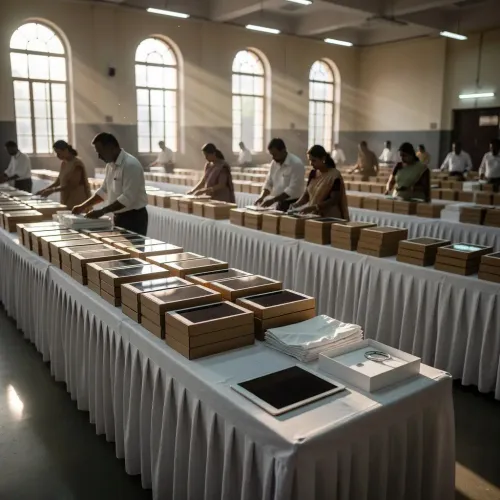
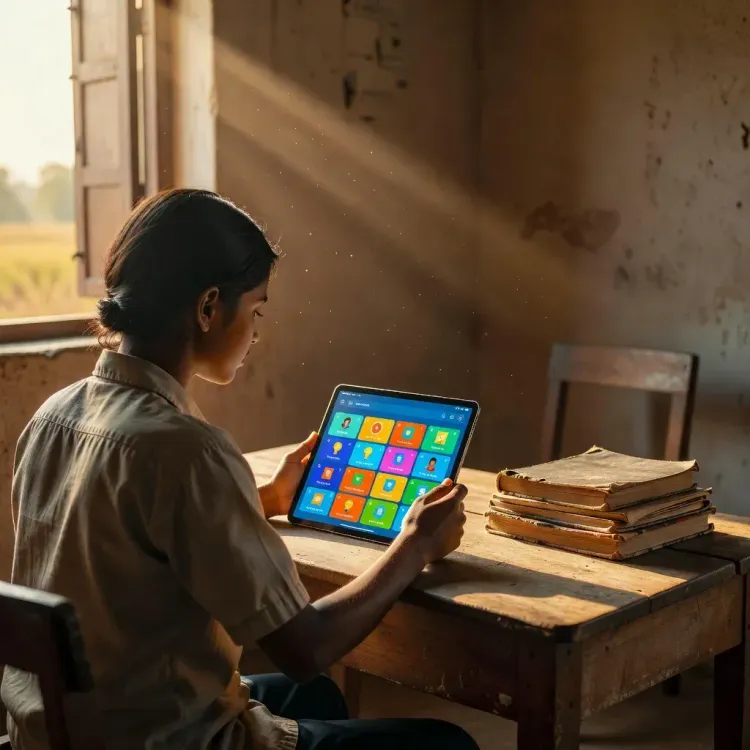
Uttar Pradesh CM Yogi Adityanath has described Phase-2 tablets distributed to youth as a 'walking university', citing a partnership with Infosys that unlocks over 18,000 free courses, alongside the pre-loaded Yuva Sathi App linking users to central and state government schemes.
Key Takeaways
The UP government is distributing tablets to youth in a second phase of its digital access programme.
Infosys has partnered with the state to provide more than 18,000 free online courses on the tablets.
The Yuva Sathi App is pre-installed, aggregating youth-related schemes from both the central and Uttar Pradesh state governments.
CM Yogi Adityanath personally urged tablet recipients to explore the app to discover applicable entitlements.
The initiative is part of UP's broader push to reduce the digital divide and improve youth employability through public-private partnerships.
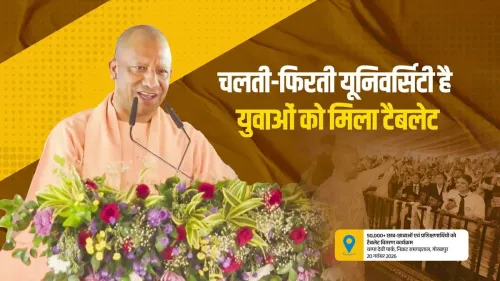
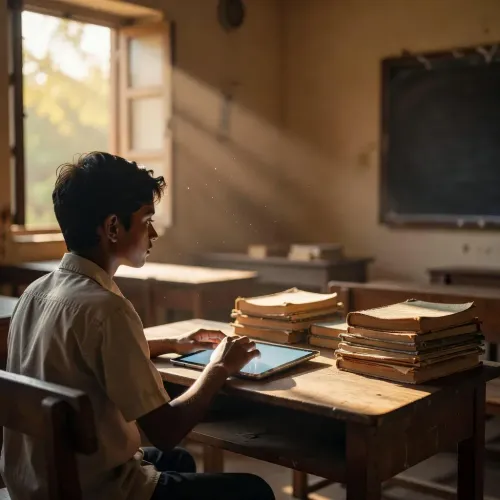
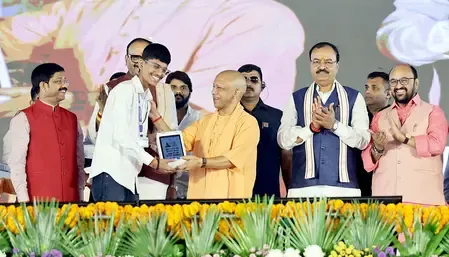
A tablet loaded with more than 18,000 free courses and a one-stop government-scheme app — that is what Uttar Pradesh Chief Minister Yogi Adityanath is promising the state's youth as the second phase of the UP tablet distribution programme gathers pace. Speaking through the Chief Minister's Office of Uttar Pradesh on Friday, 20 November 2026, CM Yogi described the device not as a gadget but as a 'chalta-phirta vishwavidyalaya' — a walking university.
Infosys partnership powers the content layer
The scale of the content offering is the headline detail here. The Uttar Pradesh government has partnered with Infosys — the Bengaluru-based IT services giant — to load the tablets with over 18,000 free online courses. That is not incidental bundled content; it is a deliberate attempt to turn hardware distribution into a skill-building pipeline. UP has previously used public-private partnerships to expand digital learning access, and the Infosys tie-up represents the most visible such collaboration to date.
CM Yogi's statement was direct: 'The tablet being given to youth in the second phase is a walking university, because we have partnered with Infosys for it. Through this, more than 18,000 free courses have been made available.' The framing signals that the government wants recipients to see the device as a learning tool, not simply a government benefit.
Yuva Sathi App: every scheme in one place
Beyond courses, each tablet comes pre-loaded with the Yuva Sathi App — a single gateway to youth-centric schemes run by both the central government and the Uttar Pradesh state government. The Chief Minister personally urged recipients to open the app: 'You will definitely find at least one useful scheme in it.' The pitch is practical — navigate once, discover entitlements that might otherwise go unclaimed.
Uttar Pradesh is home to one of the largest youth populations of any Indian state, and aggregating scheme information in a single app addresses a persistent last-mile problem: eligible beneficiaries often miss out simply because they do not know a programme exists. If adoption takes hold, the Yuva Sathi App could meaningfully close that awareness gap.
Phase 2 and what it builds on
The current rollout is explicitly framed as the 'second phase,' indicating the state had already run an earlier round of tablet distribution. The government's consistent investment in this programme reflects a broader state priority: reducing the digital divide and improving youth employability through hardware access paired with curated digital content. How quickly the second phase reaches students — and how many actually engage with the 18,000 courses — will be the real test of whether a 'walking university' delivers on its name.
Point of View
Branding the device a 'walking university' repositions the BJP-led state government on the education and employability terrain ahead of a politically sensitive period. The Yuva Sathi App's one-stop design also tackles a structural problem in Indian welfare: low scheme-awareness among eligible beneficiaries. Whether user-adoption data eventually justifies the ambition will determine how replicable this model becomes for other large states.
NationPress
20 Nov 2026
Frequently Asked Questions
What is the UP government tablet scheme for youth?
The Uttar Pradesh government is distributing free tablets to young residents under a phased programme. Phase 2 includes over 18,000 free online courses enabled through a partnership with Infosys, along with the pre-installed Yuva Sathi App.
What is the Yuva Sathi App?
The Yuva Sathi App is a mobile application pre-loaded on UP government tablets that aggregates youth-related schemes from both the central government and the Uttar Pradesh state government, making it easier for beneficiaries to discover entitlements.
What is Infosys's role in the UP tablet scheme?
Infosys has partnered with the Uttar Pradesh government to provide the digital learning content on the tablets, enabling access to more than 18,000 free online courses for recipients.
How many free courses are available on the UP youth tablet?
According to CM Yogi Adityanath, more than 18,000 free courses are available on the Phase-2 tablets through the Infosys partnership.
Is the UP tablet scheme available for all youth in the state?
The scheme targets youth in Uttar Pradesh and is being rolled out in phases. The current rollout is Phase 2, building on an earlier distribution round. Specific eligibility criteria were not detailed in the official post.