CM Yogi launches 25 lakh tablet drive on Janjatiya Gaurav Divas
Synopsis
Uttar Pradesh Chief Minister Yogi Adityanath inaugurated the distribution of 25 lakh tablets under the Swami Vivekananda Yuva Sashaktikaran Yojana in Lucknow on Janjatiya Gaurav Divas — Birsa Munda's birth anniversary — linking digital empowerment with tribal outreach on 15 November 2026.
Key Takeaways
25 lakh (2.5 million) tablets launched for distribution in Lucknow on 15 November 2026 .
The drive is part of the Swami Vivekananda Yuva Sashaktikaran Yojana , UP's flagship youth digital-empowerment scheme.
The event was timed to coincide with Janjatiya Gaurav Divas , the national observance of Birsa Munda 's birth anniversary.
Scheduled Tribe youth and students are among the key target beneficiaries of the scheme.
Uttar Pradesh has a recurring pattern of scheduling welfare rollouts on culturally significant commemorative dates.
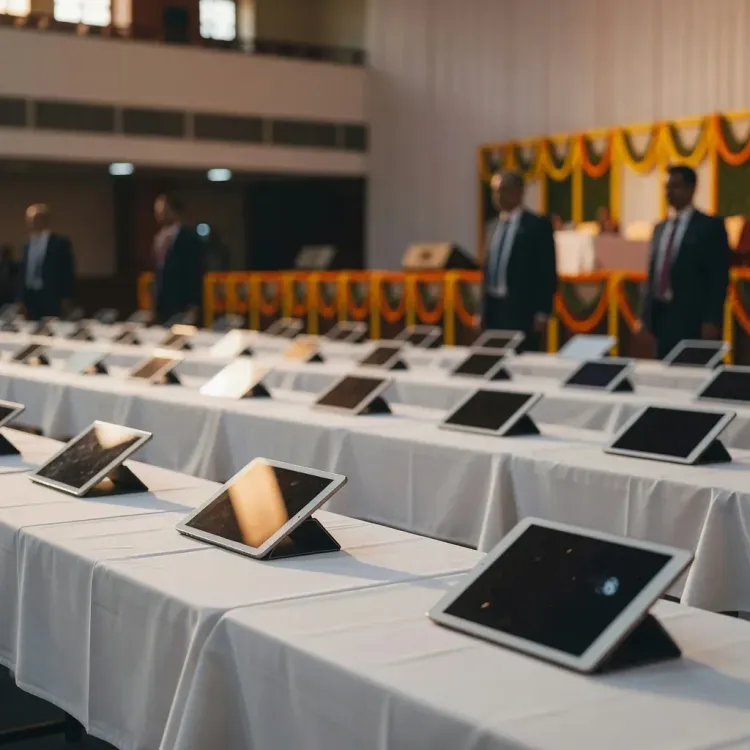
On the birth anniversary of tribal icon Birsa Munda, Uttar Pradesh Chief Minister Yogi Adityanath chose Lucknow on Sunday, 15 November 2026 to inaugurate the distribution of 25 lakh tablets under the state's flagship Swami Vivekananda Yuva Sashaktikaran Yojana — a moment that fused digital-empowerment politics with tribal-outreach symbolism in one move.
Birsa Munda's anniversary as the launch moment
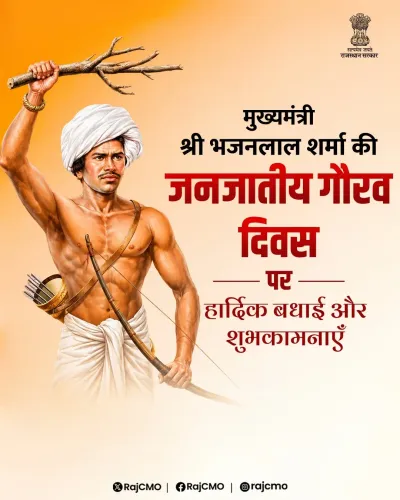
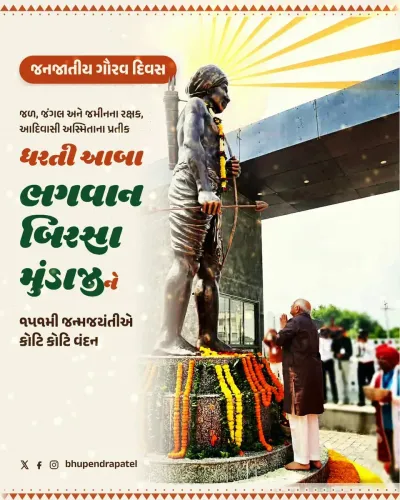
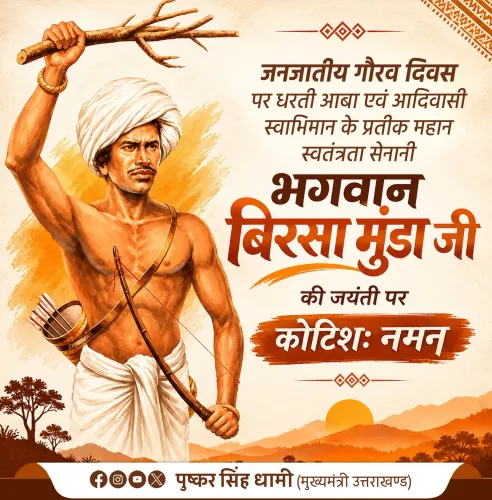
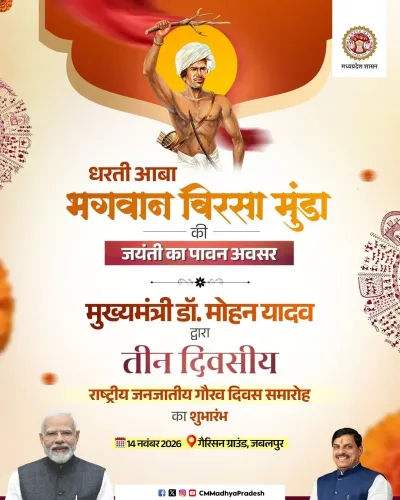
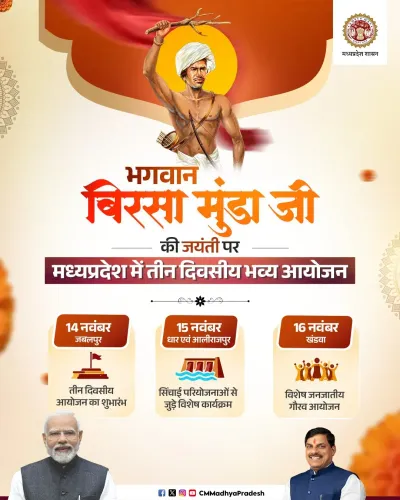
Janjatiya Gaurav Divas — observed every year on 15 November — is a national commemorative day dedicated to the memory of Birsa Munda, the 19th-century tribal leader who led resistance against colonial land exploitation in what is now Jharkhand. The Central government designated the date as Janjatiya Gaurav Divas (Tribal Pride Day) to institutionalise recognition of indigenous heritage and welfare. Anchoring the tablet launch to this date signals a deliberate effort to frame digital access as an extension of tribal dignity and advancement.
What the Swami Vivekananda Yuva Sashaktikaran Yojana covers
The Swami Vivekananda Yuva Sashaktikaran Yojana is an Uttar Pradesh government scheme designed to put digital devices — tablets and smartphones — directly into the hands of students and youth, with the stated goal of expanding e-learning access and skill development. The drive in Lucknow marks the inauguration of a fresh tranche of 25 lakh (2.5 million) units, making it one of the largest single-event device distributions announced under the scheme. Scheduled Tribe beneficiaries form a key target group, consistent with the day's commemorative theme.
UP's pattern of linking welfare delivery to commemorative days
The timing is not coincidental. Uttar Pradesh has repeatedly scheduled high-visibility welfare rollouts on culturally significant dates — anchoring scheme launches to anniversaries or national observance days amplifies reach and community resonance simultaneously. The state has run multiple digital-device distribution cycles for students in recent years, each positioned as a step toward closing the rural-urban education gap in India's most populous state. What to watch now: whether the 25 lakh tablets are accompanied by connectivity or training components that determine how much real-world utility the devices deliver once they leave the distribution halls.
A device in a student's hands is only the beginning — the follow-through on content, connectivity, and skills training will decide whether this milestone counts.
Point of View
However, is execution — large-scale device distributions in India have historically struggled with last-mile connectivity and content access, the factors that actually convert hardware into educational outcomes. Analysts watching UP's tribal welfare arc will focus on whether this round includes structured follow-through or remains primarily a headline moment.
NationPress
15 Nov 2026
Frequently Asked Questions
What is Janjatiya Gaurav Divas and why is it celebrated on 15 November?
Janjatiya Gaurav Divas is a national observance held every year on 15 November to mark the birth anniversary of Birsa Munda , the revered 19th-century tribal leader. It was established to recognise the heritage, contributions, and welfare of India's indigenous Scheduled Tribe communities.
What is the Swami Vivekananda Yuva Sashaktikaran Yojana in UP?
The Swami Vivekananda Yuva Sashaktikaran Yojana is a Uttar Pradesh government scheme that provides free digital devices — tablets and smartphones — to students and youth to support e-learning and skill development across the state.
How many tablets are being distributed in the latest UP scheme launch?
Chief Minister Yogi Adityanath inaugurated the distribution of 25 lakh (2.5 million) tablets under the scheme at an event in Lucknow on 15 November 2026 .
Who are the beneficiaries of the UP tablet distribution scheme?
The scheme targets students and youth in Uttar Pradesh , with Scheduled Tribe communities forming a key focus group, particularly given the event's alignment with Janjatiya Gaurav Divas .
Where was the 25 lakh tablet distribution inaugurated?
The inauguration ceremony was held in Lucknow , the capital of Uttar Pradesh , on 15 November 2026 .