Yogi Adityanath distributes tablets to 53,000 UP students, promises 1 lakh govt jobs by Jan 2027
Synopsis
Yogi Adityanath used a tablet distribution event for 53,000 UP students to unveil a broader political-economic pitch: one lakh government jobs by Republic Day 2027, 25,000 active startups up from 120 before 2017, and an industrial city across 56,000 acres in Bundelkhand — framing Uttar Pradesh's vast youth population not as a liability but as the state's biggest strategic asset.
Key Takeaways
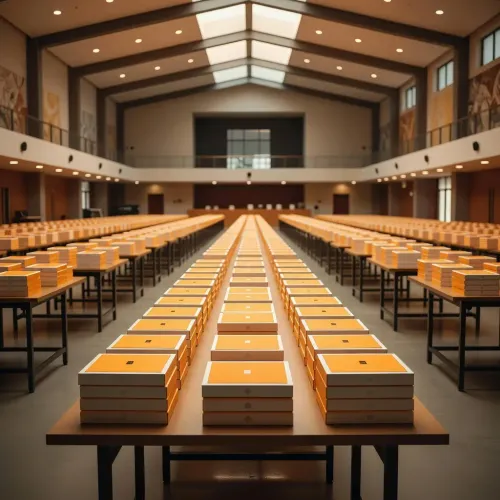
UP CM Yogi Adityanath distributed tablets to more than 53,000 students from Lucknow, Sitapur, Hardoi, and Unnao on 15 November 2026 .
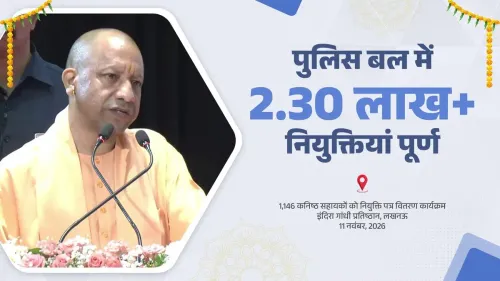
He promised appointment letters for more than one lakh government jobs by 26 January 2027 (Republic Day).
The tablets carry free digital study material for more than 18,000 courses , including Artificial Intelligence and Deep Tech .
500 youth have been selected for employment in BrahMos and associated units through AKTU .
UP's active startups have reportedly grown from 120 before 2017 to more than 25,000 today; the state's 96 lakh MSME units employ over three crore people.
An Economic and Industrial Zone named after Sardar Vallabhbhai Patel will be developed in every district, with an industrial city planned across 56,000 acres in Bundelkhand .
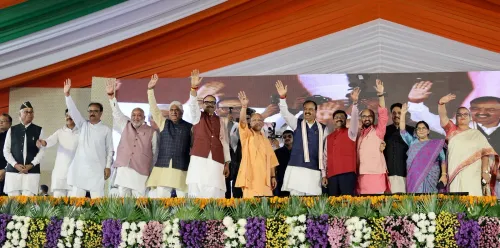
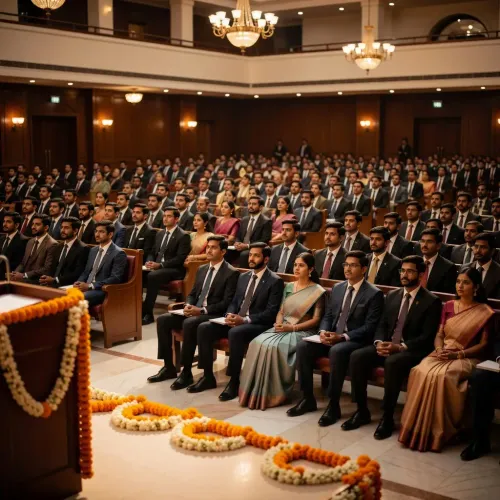
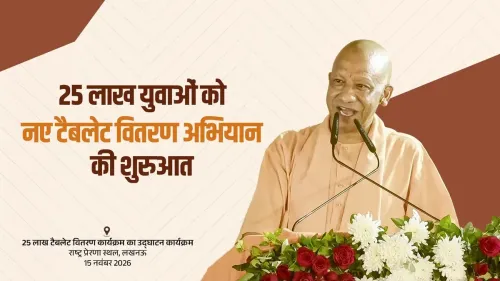
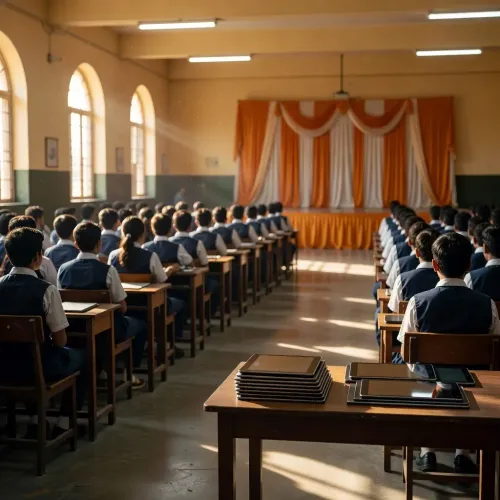
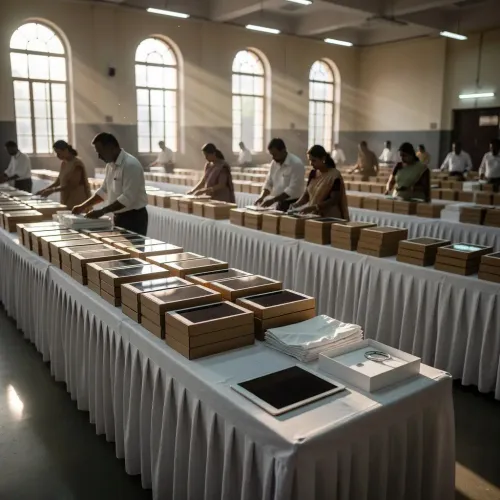
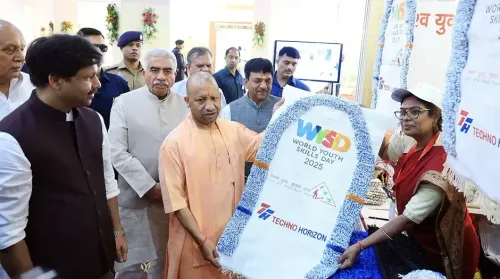
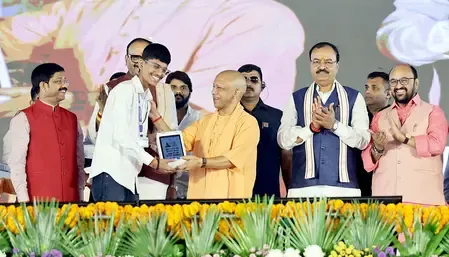
Uttar Pradesh Chief Minister Yogi Adityanath on Sunday, 15 November 2026, distributed tablets to more than 53,000 students from Lucknow, Sitapur, Hardoi, and Unnao under the Swami Vivekananda Yuva Sashaktikaran Yojana, calling digital empowerment the cornerstone of Uttar Pradesh's youth policy. At the event, he announced that appointment letters for more than one lakh government jobs would be issued by 26 January 2027.
Tablets as a Gateway to Skills and Employment
Chief Minister Adityanath described the distribution drive as 'an effort towards digitally empowering the youth', stressing that the devices should be used as tools for learning rather than entertainment. He said free digital study material for more than 18,000 courses — ranging from yoga to Artificial Intelligence and Deep Tech — has been pre-loaded on the tablets.
'The tablets distributed today will help students in education, skill development, and employment,' he said, urging students to treat the devices as instruments for building their futures. The scheme was originally launched by the Centre on 25 December 2021, the birth anniversary of former Prime Minister Atal Bihari Vajpayee, partly in response to learning disruptions caused by the Covid-19 pandemic.
Youth as 'Demographic Dividend'
Noting that India is the world's youngest nation — with 56 per cent of its population in the youth bracket — Adityanath argued that Uttar Pradesh, where 56 to 60 per cent of its 25 crore population falls in the youth category, holds disproportionate potential. 'The state government views Uttar Pradesh's 25 crore population not as a burden but as a demographic dividend,' he said.
He added that young people in the state now 'proudly identify themselves as residents of Uttar Pradesh', contrasting the present with what he described as an 'identity crisis' among youth before 2017.
Jobs, Investment, and Industrial Ambitions
Beyond the tablet drive, Adityanath outlined a wider economic vision. He said 500 youth have been selected for employment in BrahMos and related units through Dr. A.P.J. Abdul Kalam Technical University (AKTU). Invoking Operation Sindoor, he linked the BrahMos missile facility in Lucknow to both employment generation and national security, noting that the AK-203 rifle is now being manufactured in Amethi with components produced in Kanpur.
He also highlighted that the state's 96 lakh MSME units employ more than three crore people, and that the number of active startups has grown from 120 before 2017 to more than 25,000 today. He announced an Economic and Industrial Zone named after Sardar Vallabhbhai Patel would be developed in every district, and that the government is preparing to develop an industrial city across 56,000 acres in Bundelkhand.
Political Undercurrents: Attacks on the Previous Government
In a veiled attack on the Samajwadi Party (SP), Adityanath alleged that under the previous administration, recruitment drives were used for extortion and that appointments were secured through 'influence and corruption'. He alleged that examination papers were leaked and that the previous government 'created "Munna Bhai" type frauds rather than genuine employment', leading his administration to cancel several such appointments after coming to power.
He asserted that recruitments are now conducted with 'complete transparency and integrity' and that the government has taken strict action against cheating mafias, including confiscating properties of those who 'play with the future of youth'. He claimed Uttar Pradesh has moved from 'mafia rule' to the 'rule of law', citing a zero-tolerance policy against criminals and the elimination of curfews and communal unrest. 'Today, there is no curfew, no riots, and everything is well in Uttar Pradesh,' he said.
What Comes Next
With appointment letters for over one lakh government jobs promised by Republic Day 2027, and industrial zones planned across every district, the announcements signal a push to convert Uttar Pradesh's demographic scale into measurable economic output ahead of the next electoral cycle. How quickly the promised jobs materialise — and whether startup and MSME growth translates into durable employment — will define the scheme's legacy.
Point of View
BrahMos jobs, and an attack on the Samajwadi Party's recruitment record, Adityanath was signalling the BJP's 2027 assembly election narrative — law, order, and meritocracy versus the alleged 'Munna Bhai' era. The one-lakh-jobs-by-Republic-Day pledge is a hostage to fortune: deadlines tied to symbolic dates are easy to announce and hard to verify. The startup figure — 25,000 from 120 — is striking but lacks a breakdown of active versus registered entities, and the MSME employment count of three crore remains unverified by an independent agency. The demographic dividend argument is sound in principle; whether UP's policy architecture can convert it is the question mainstream coverage is not yet asking.
NationPress
15 Nov 2026
Frequently Asked Questions
What is the Swami Vivekananda Yuva Sashaktikaran Yojana?
It is a Central government scheme launched on 25 December 2021 — the birth anniversary of former Prime Minister Atal Bihari Vajpayee — under which tablets are distributed to students to support digital education, partly in response to learning losses caused by the Covid-19 pandemic. Under this scheme, UP CM Yogi Adityanath distributed tablets to more than 53,000 students from Lucknow, Sitapur, Hardoi, and Unnao on 15 November 2026.
How many government jobs did Yogi Adityanath promise, and by when?
Chief Minister Yogi Adityanath announced that appointment letters for more than one lakh government jobs would be issued by 26 January 2027, i.e., Republic Day. The announcement was made at the tablet distribution event in Lucknow on 15 November 2026.
What courses are available on the tablets distributed to UP students?
The tablets come pre-loaded with free digital study material for more than 18,000 courses. These range from traditional subjects like yoga to modern fields including Artificial Intelligence and Deep Tech, according to Chief Minister Adityanath.
How has UP's startup ecosystem changed since 2017, according to Yogi Adityanath?
Chief Minister Adityanath claimed that Uttar Pradesh had only 120 startups before 2017, whereas today more than 25,000 startups are active in the state. He made these remarks at the Lucknow event on 15 November 2026, citing the figure as evidence of economic transformation under his government.
What is the BrahMos connection to youth employment in Uttar Pradesh?
Chief Minister Adityanath stated that 500 young people have been selected for employment in BrahMos and related units through Dr. A.P.J. Abdul Kalam Technical University (AKTU). He linked the BrahMos missile facility in Lucknow to both job creation and national security, referencing Operation Sindoor.