CM Yogi Distributes Tablets to 53,000+ Students in Lucknow Division
Synopsis
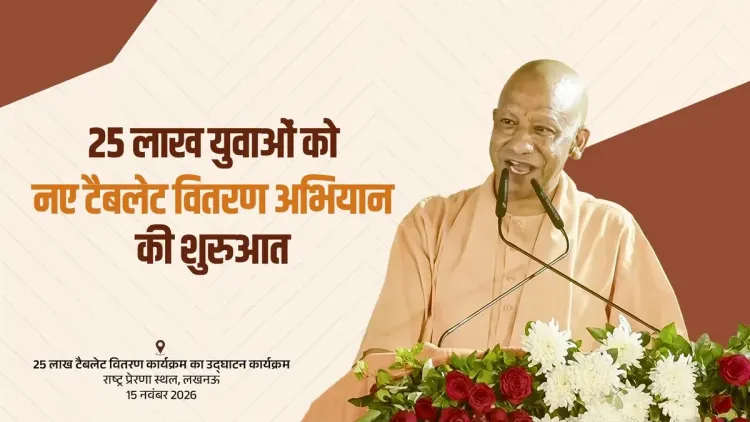
Chief Minister Yogi Adityanath distributed tablets to more than 53,000 students across four districts of Lucknow division on November 15, 2026, advancing Uttar Pradesh's sustained push for digital learning in government schools under the National Education Policy 2020.
Key Takeaways
More than 53,000 students from four districts of Lucknow division participated in the tablet distribution event on November 15, 2026 .
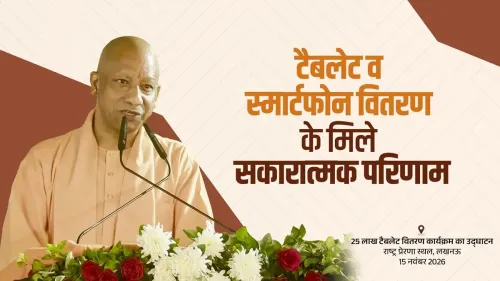
Chief Minister Yogi Adityanath personally addressed the event and extended congratulations to all student beneficiaries.
Uttar Pradesh has conducted successive phases of device distribution to government school students since 2018 .
The drive aligns with the state's implementation of the National Education Policy 2020 , which emphasises technology-enabled learning.
Further phases across remaining divisions are expected, with device usage and learning outcomes to be watched as key indicators of impact.
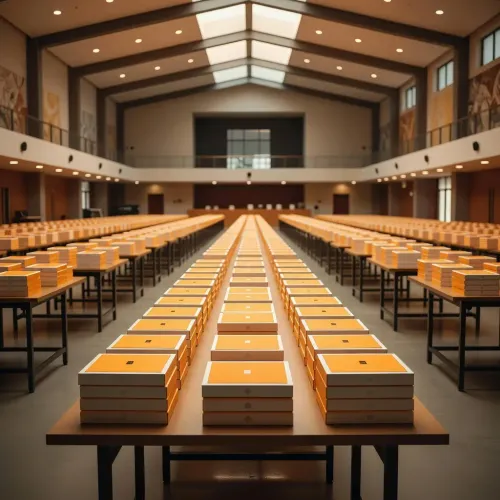
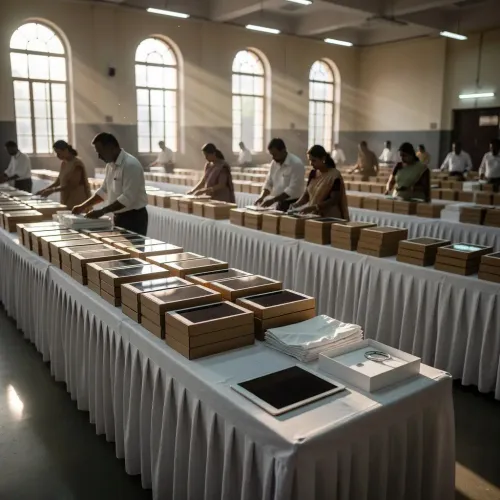
More than 53,000 students from four districts of Lucknow division gathered on Sunday, November 15, 2026, as the Chief Minister's Office of Uttar Pradesh announced a tablet distribution drive that puts digital devices directly into the hands of government school learners — one of the largest single-day rollouts the state has conducted.
Chief Minister Yogi Adityanath, addressing the event, said: 'At this tablet distribution programme, more than 53,000 students from the four districts of Lucknow division are participating. On this occasion, I extend my heartfelt congratulations and best wishes to all of you.' The remark, posted by the CMOfficeUP handle, underscored the scale of the drive and the Chief Minister's direct engagement with its beneficiaries.
Lucknow division's 53,000-student milestone
Lucknow division is one of Uttar Pradesh's most populous administrative clusters, encompassing the state capital and three neighbouring districts. Concentrating a single distribution event across all four districts simultaneously signals a logistical step up from earlier, more staggered rollouts. For many recipients — students in government schools who may not otherwise access personal computing devices — a tablet represents a first point of entry into digital learning.
Uttar Pradesh has run successive phases of device distribution to students in government schools since 2018, steadily expanding the programme's reach division by division. The current drive sits within that longer arc, and aligns with the state's implementation of the National Education Policy 2020, which places technology-enabled learning at the centre of school reform.
A state-wide digital push, division by division
The Lucknow division event is not an isolated gesture — it is one instalment in a multi-division rollout that the Uttar Pradesh government has sustained across several years. With 75 districts spread across 18 administrative divisions, the state faces an enormous logistical challenge in reaching every eligible student. Each divisional event is therefore both a welfare delivery moment and a progress marker toward a statewide coverage target.
What comes next is the question that matters most: whether devices translate into measurable learning gains. Officials and education observers will watch for formal assessments of device usage and academic outcomes — the metric that ultimately determines whether this investment pays off in classrooms.
Half a lakh students logged in and switched on. The next question is whether the curriculum catches up with the hardware.
Point of View
Mass device distribution serves a dual function: it advances the NEP 2020 technology mandate and reinforces a welfare-delivery narrative ahead of any electoral cycle. The critical gap, however, remains outcomes — repeated distribution phases have yet to be paired with published learning-impact assessments, leaving the programme's pedagogical return unquantified. Until device access is matched by teacher training and digital content in local languages, the tablets risk being potent symbols more than transformative tools.
NationPress
15 Nov 2026
Frequently Asked Questions
How many students received tablets in the Lucknow division event in November 2026?
More than 53,000 students from the four districts of Lucknow division participated in the tablet distribution programme on November 15, 2026, according to the Chief Minister's Office of Uttar Pradesh.
Which districts are included in Lucknow division for this tablet scheme?
Lucknow division comprises four districts, including Lucknow itself. The specific three additional districts targeted in this event have not been separately named in the official announcement.
When did Uttar Pradesh start distributing tablets and laptops to students?
The Uttar Pradesh government has run successive phases of tablet and laptop distribution to government school students since 2018 as part of its digital learning initiative.
How does the UP tablet scheme relate to the National Education Policy 2020?
The distribution drive is consistent with Uttar Pradesh's implementation of the National Education Policy 2020, which places technology-enabled learning at the centre of school education reform.
Will other divisions in Uttar Pradesh also receive tablets?
Yes. The Lucknow division event is one phase in a multi-division rollout. Remaining phases across other divisions are expected to follow, though a confirmed schedule has not been officially announced.