Sonowal marks Janjatiya Gaurav Diwas, honours tribal heritage
Synopsis
Union Minister Sarbananda Sonowal marked Janjatiya Gaurav Diwas on 15 November 2026, paying tribute to India's tribal communities on the annual observance instituted in 2021 to honour freedom fighter Birsa Munda's birth anniversary.
Key Takeaways
Janjatiya Gaurav Diwas is observed every year on 15 November , coinciding with the birth anniversary of tribal leader Birsa Munda .
The day was instituted by the Government of India in 2021 to recognise tribal contributions to the freedom struggle.
Union Minister Sarbananda Sonowal posted a tribute celebrating the 'glorious heritage, rich culture and vivid colours' of India's tribal communities.
Sonowal, a former Chief Minister of Assam , brings direct Northeast tribal-region experience to the occasion.
India's tribal population exceeds 10 crore , spread across the central Indian belt, Rajasthan, and the Northeast.
Cross-portfolio ministerial participation signals the government's framing of tribal welfare as a national rather than sectoral priority.
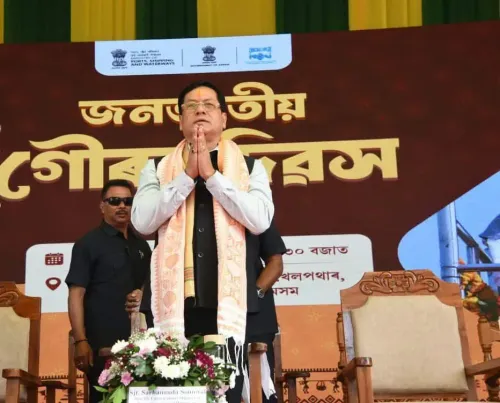
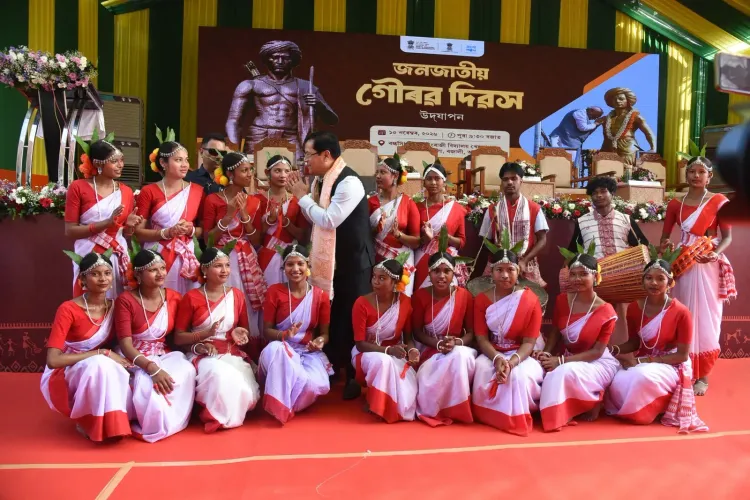
Every year on 15 November, India pauses to remember the people whose roots run deepest in its soil — and this year, Union Minister of Ports, Shipping and Waterways Sarbananda Sonowal added his voice to that national chorus, celebrating the 'glorious heritage, rich culture and vivid colours' of India's tribal communities on Janjatiya Gaurav Diwas.
A day rooted in Birsa Munda's birth anniversary
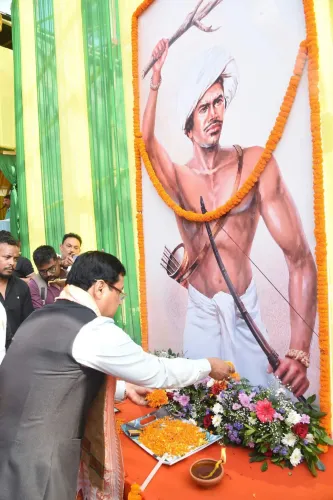
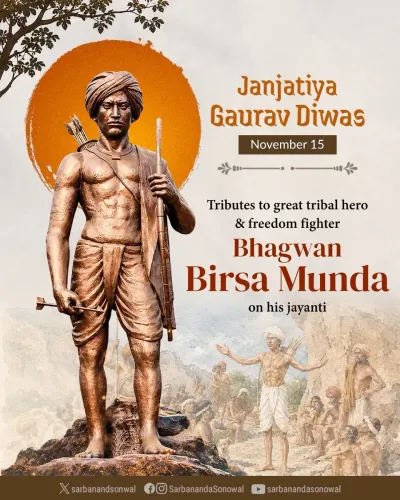
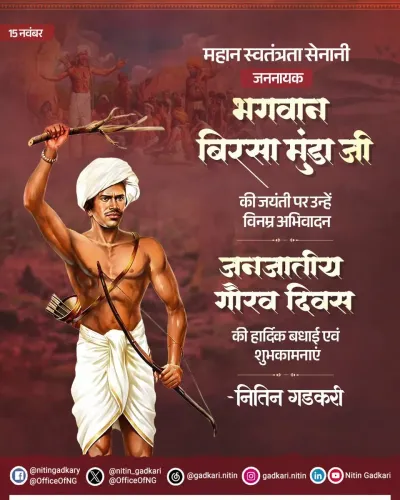
The observance is not incidental. Janjatiya Gaurav Diwas was instituted by the Government of India in 2021 to coincide with the birth anniversary of Birsa Munda, the revered tribal leader and freedom fighter from Jharkhand whose 19th-century revolt against colonial rule became a defining chapter in India's resistance history. The choice of date was deliberate — a signal that tribal contributions to the independence movement deserved their own permanent place on the national calendar.
Sonowal, himself from Assam and a senior BJP leader with deep roots in the Northeast — a region home to dozens of Scheduled Tribe communities — brings a personal dimension to the occasion that goes beyond routine ministerial participation.
Cross-portfolio recognition of tribal India
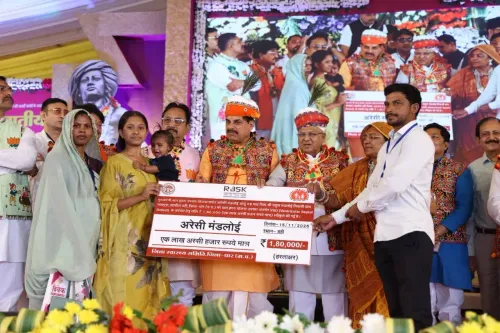
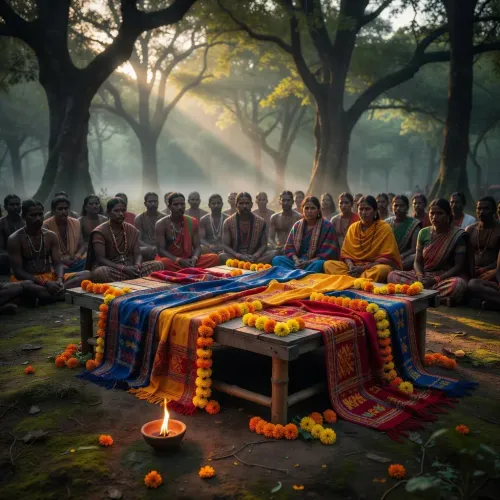
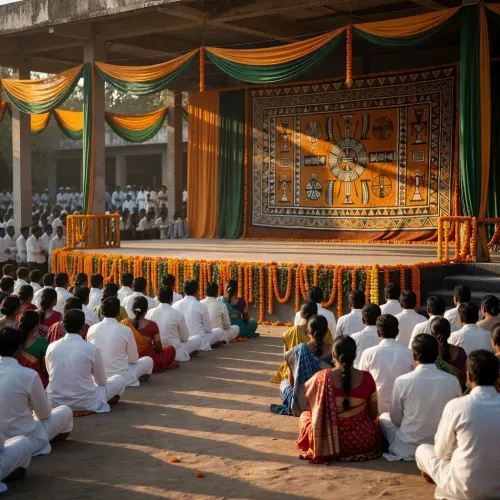
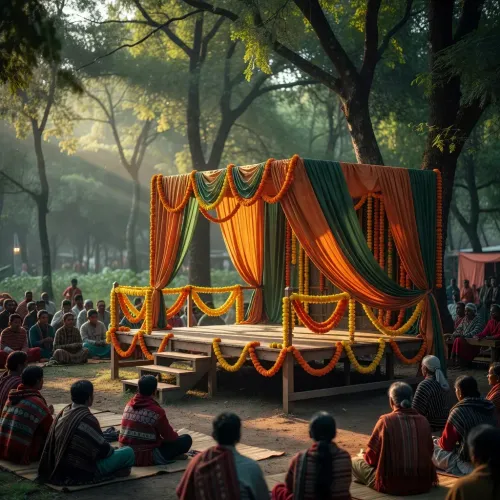
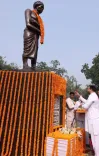
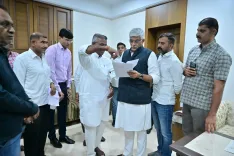
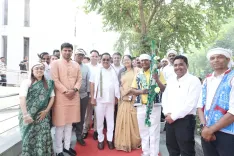
The minister's post, accompanied by four images celebrating tribal culture, reflects a broader pattern in which central government ministers across portfolios — not just those holding tribal-affairs mandates — publicly mark the day. The framing is deliberate: tribal identity, heritage, and welfare are cast as a national concern, not a niche sectoral brief.
Successive administrations have paired such commemorations with development initiatives in tribal regions, from forest-rights implementation to livelihood schemes under the PM-JANMAN programme targeting particularly vulnerable tribal groups. The annual visibility of Janjatiya Gaurav Diwas has grown steadily since its inception, with state-level events, cultural showcases, and welfare announcements clustering around 15 November each year.
Why the Northeast voice matters on this day
Sonowal's tenure as Chief Minister of Assam from 2016 to 2021 placed him at the intersection of tribal rights, land questions, and cultural preservation in one of India's most ethnically diverse states. His current portfolio — ports, shipping, and waterways — may sit far from tribal-affairs policy, but his background lends weight to a salute that another minister might deliver as pure formality. For communities whose stories have too often been footnotes in mainstream political narratives, that recognition, however symbolic, counts.
India's tribal population numbers over 10 crore, spread across states from Rajasthan to the Northeast to the central Indian belt — a vast, varied inheritance of language, craft, ecology, and resistance. Janjatiya Gaurav Diwas is the state's annual commitment to keep that inheritance visible. Today, it did.
Point of View
With ministers well outside the tribal-affairs portfolio routinely participating — a sign of how central the BJP's outreach to Scheduled Tribe voters has become electorally and symbolically. Sonowal's personal biography as a Northeast leader adds authenticity that distinguishes his tribute from boilerplate. The pattern also reflects a longer-term effort to mainstream tribal history — centring figures like Birsa Munda alongside Gandhi and Nehru in the national freedom-struggle narrative. Whether ceremonial visibility translates into accelerated delivery on land rights and livelihood programmes remains the sharper test.
NationPress
15 Nov 2026
Frequently Asked Questions
What is Janjatiya Gaurav Diwas and why is it celebrated on 15 November?
Janjatiya Gaurav Diwas is an annual national observance on 15 November honouring India's tribal communities. The date marks the birth anniversary of Birsa Munda , the iconic tribal freedom fighter from Jharkhand. The Government of India instituted the day in 2021 to recognise tribal contributions to the independence movement.
Who is Sarbananda Sonowal and what is his connection to tribal communities?
Sarbananda Sonowal is the Union Minister of Ports, Shipping and Waterways and a senior BJP leader. He served as Chief Minister of Assam from 2016 to 2021 , a state with a large and diverse Scheduled Tribe population, giving him direct policy experience on tribal rights and cultural preservation.
When was Janjatiya Gaurav Diwas first observed?
The Government of India instituted Janjatiya Gaurav Diwas in 2021 , declaring 15 November — Birsa Munda's birth anniversary — as a permanent national observance celebrating tribal heritage and the freedom struggle.
Who was Birsa Munda?
Birsa Munda was a revered tribal leader and freedom fighter from present-day Jharkhand who led a significant revolt against British colonial rule in the late 19th century. He is widely regarded as a seminal figure in India's tribal resistance history and independence movement.
How large is India's tribal population?
India's tribal population is estimated at over 10 crore (100 million) people, spread across diverse regions including the central Indian belt, Rajasthan , and the Northeast , representing hundreds of distinct communities with their own languages and cultures.