CPEC at 10: Why the $46 billion corridor is failing both Pakistan and China
Synopsis
Ten years on, CPEC — the $46 billion corridor that was supposed to reshape Pakistan's economy and extend China's strategic reach — looks more like a liability for both sides. Pakistan is drowning in debt it cannot repay; China is getting poor returns on massive investment. Gwadar, once billed as South Asia's next great port, reportedly lacks basic civic facilities. The story of CPEC is fast becoming the definitive BRI cautionary tale.
Key Takeaways
The China-Pakistan Economic Corridor (CPEC) , originally valued at $46 billion , is reportedly failing to deliver promised economic benefits a decade after launch.
Liabilities from CPEC-linked power projects exceeded PKR 543 billion as of March 2026 , yet Pakistan's power crisis remains unresolved.
Former Federal Board of Revenue Chairman Shabbar Zaidi called CPEC 'a drama' that 'led to disaster.' Gwadar Port , touted as CPEC's centrepiece, reportedly lacks basic civic infrastructure and has failed to generate an economic ecosystem.
China is said to be frustrated by security failures and poor investment returns, while strict confidentiality clauses keep the corridor's true finances opaque.
The CPEC pattern mirrors broader underperformance seen across China's Belt and Road Initiative (BRI) globally.
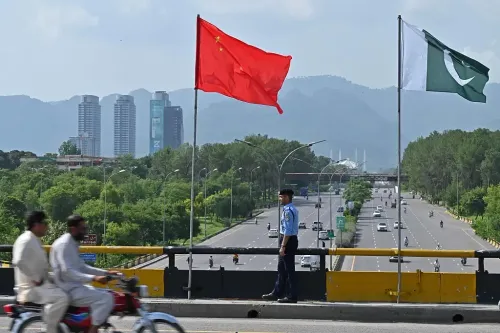
The China-Pakistan Economic Corridor (CPEC), once marketed as a transformative $46 billion geopolitical and economic flagship, is increasingly being described as a costly failure — for Pakistan and China alike, according to an analysis published in Zimbabwe's NewsDay portal. A decade into implementation, the mega-project is showing hallmarks of the broader underperformance pattern seen across China's Belt and Road Initiative (BRI).
A Crushing Financial Burden on Pakistan
Critics within Pakistan have grown louder. Shabbar Zaidi, former Chairman of Pakistan's Federal Board of Revenue (FBR), is cited as one of the most prominent early sceptics. 'I was the first person in Pakistan to oppose CPEC. I said 25 years ago that it is a drama and nothing will come out of it. You fooled people. It led to disaster,' Zaidi reportedly said. His remarks have drawn significant agreement across social media platforms in Pakistan.
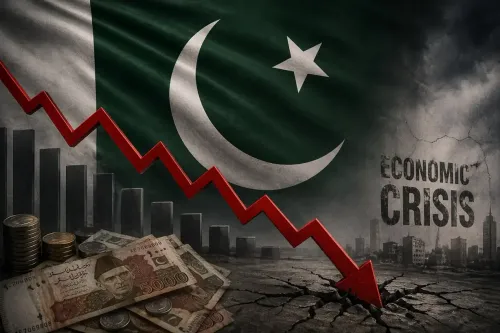
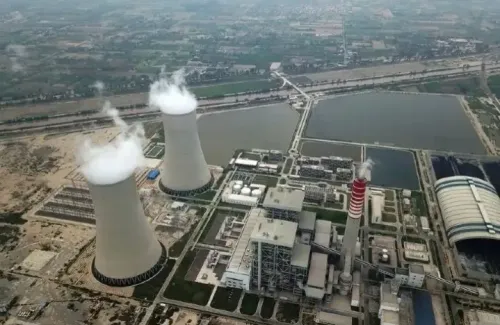
The financial strain is now quantifiable. Liabilities arising from CPEC-linked power projects alone reportedly exceeded PKR 543 billion as of March 2026, yet the corridor has demonstrably failed to resolve Pakistan's chronic electricity crisis. Pakistani officials have been seen repeatedly approaching Chinese counterparts to renegotiate repayment arrangements — with little recorded success. Pakistan's Power Minister Sardar Awais Khan Leghari was forced to concede that a 'sufficient outcome has not come out yet.'
China's Concerns: Security Failures and Poor Returns
Beijing, for its part, is reportedly frustrated by persistent security failures and the poor financial returns on its heavy capital outlay. The exact present-day value of the original CPEC plan remains unknown, according to the analysis, owing to strict confidentiality clauses embedded in project agreements — a hallmark of China's BRI contracting model that has drawn criticism globally.
The opacity makes independent assessment nearly impossible, leaving Pakistani stakeholders with limited recourse even as debt obligations mount. This secrecy, critics argue, has also insulated poor project decisions from public accountability.
Gwadar Port: Jewel Turned White Elephant
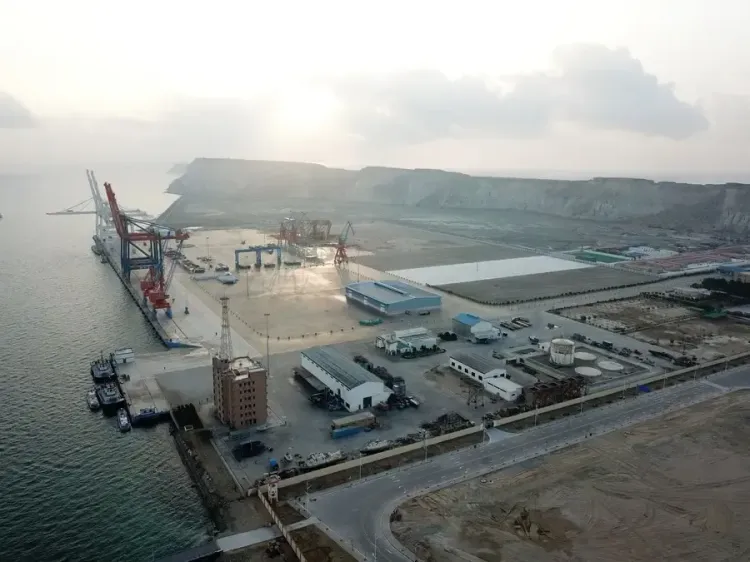
Gwadar Port, positioned as the crown jewel of CPEC and a strategic gateway to the Arabian Sea, is described in the analysis as being in the doldrums. The port reportedly lacks basic civic infrastructure — a fundamental prerequisite for attracting commerce or sustaining a viable economic ecosystem. CPEC projects more broadly are said to have failed to deliver competitive manufacturing, high-value exports, meaningful foreign-exchange earnings, or integration into global supply chains.
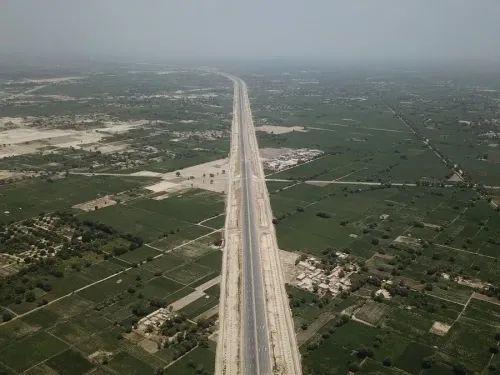
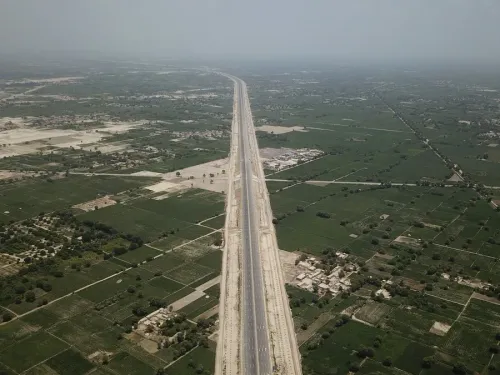
Major transportation projects face compounding difficulties: bureaucratic delays, provincial disagreements, policy paralysis, financial mismanagement, and recurring public protests have collectively stalled execution, the analysis notes.
A Pattern Mirrored Across BRI
The CPEC trajectory, analysts note, is not an isolated case. Across the BRI portfolio — from Sri Lanka's Hambantota Port to Zambia's infrastructure debt — similar patterns of overpriced, underperforming projects have surfaced. Critics argue that BRI projects are often structured around China's export of excess industrial capacity rather than recipient-country development needs, resulting in assets that generate debt without generating growth.
Voices against China for Pakistan's deteriorating financial situation are reportedly growing louder domestically, with CPEC increasingly blamed for commissioning expensive projects that were, in critics' assessment, never genuinely needed. As both sides grapple with unmet expectations, the future of CPEC's remaining pipeline remains uncertain.
Point of View
Opacity by design, and recipient-country debt as the predictable endpoint. What is striking is how openly Pakistani officials are now acknowledging failure: when a sitting Power Minister admits 'sufficient outcome has not come out yet,' the diplomatic pretence is gone. For India, the CPEC story offers strategic validation but also a warning: infrastructure diplomacy that lacks genuine local ownership and transparent contracting tends to breed resentment regardless of which power is offering it.
NationPress
15 Nov 2026
Frequently Asked Questions
What is CPEC and why was it significant?
The China-Pakistan Economic Corridor (CPEC) is a $46 billion infrastructure and investment programme linking China's Xinjiang region to Pakistan's Gwadar Port on the Arabian Sea. Launched roughly a decade ago, it was billed as a transformative economic and geopolitical project — a flagship of China's Belt and Road Initiative — but has since been criticised for failing to deliver promised development outcomes.
Why is CPEC considered a failure for Pakistan?
Pakistan is shouldering a mounting debt burden from CPEC-linked projects, with liabilities from power projects alone exceeding PKR 543 billion as of March 2026, without resolving the country's chronic electricity crisis. Critics, including former Federal Board of Revenue Chairman Shabbar Zaidi, argue that CPEC financed expensive projects that were never genuinely needed, deepening fiscal stress rather than generating growth.
Why is China dissatisfied with CPEC?
China is reportedly frustrated by persistent security failures that have endangered its workers and assets in Pakistan, as well as by poor financial returns on its heavy capital investment. Pakistan's worsening fiscal condition has raised doubts over loan repayment, and Pakistani officials have repeatedly sought renegotiation of payment terms with limited success.
What happened to Gwadar Port, the centrepiece of CPEC?
Gwadar Port, once described as the jewel of the CPEC plan and a potential hub for regional trade, is reportedly stalled due to a lack of basic civic facilities and infrastructure. Without the foundational services needed to attract commerce, the port has been unable to generate the economic ecosystem that was originally projected.
How does CPEC fit into the broader Belt and Road Initiative?
CPEC is the flagship project of China's Belt and Road Initiative (BRI), a global infrastructure lending programme. Analysts note that CPEC's underperformance mirrors patterns seen in other BRI projects — from Sri Lanka's Hambantota Port to African infrastructure deals — where high-cost, opaque financing has led to debt stress without commensurate development gains.