CPIC unlikely to salvage CPEC's image, may invite fresh BRI scrutiny: Report
Synopsis
China and Pakistan have launched a new information corridor (CPIC) to defend the CPEC's battered image — but a new report argues it may backfire. With Pakistan's CPEC debt at $29.2 billion, Gwadar Port still struggling, and power project arrears hitting PKR 423 billion, the PR push risks inviting deeper scrutiny of the BRI's credibility across Asia.
Key Takeaways
China and Pakistan launched the China Pakistan Information Corridor (CPIC) to manage the public image of the struggling CPEC .
A report by Greece City Times argues CPIC is unlikely to reverse growing scepticism and may instead draw more scrutiny onto the broader BRI .
Pakistan owes $29.2 billion to China — roughly one-third of its total external debt.
Outstanding payments to CPEC power projects reached PKR 423 billion by June 2026 , with Pakistani consumers absorbing costs through electricity surcharges.
Gwadar Port , described as the 'crown jewel' of CPEC, continues to struggle operationally.
Sri Lanka's loss of Hambantota Port to China is cited as a warning for other BRI partner nations.
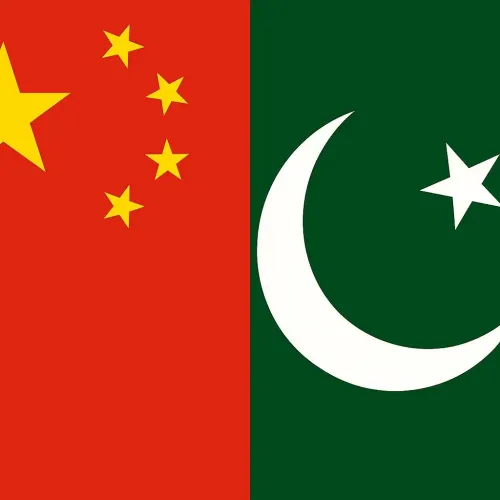
Efforts by China and Pakistan to rehabilitate the battered reputation of the China-Pakistan Economic Corridor (CPEC) through the newly launched China Pakistan Information Corridor (CPIC) are unlikely to reverse deepening public scepticism — and could instead draw greater scrutiny onto other programmes under the Belt and Road Initiative (BRI), according to a new report published on 7 November 2026.
The report, cited by Greece City Times, argues that the CPIC's unstated purpose is to defend CPEC's tarnished image amid mounting criticism over unmet promises, stalled projects, and serious questions about financial sustainability.
What CPIC Claims to Be
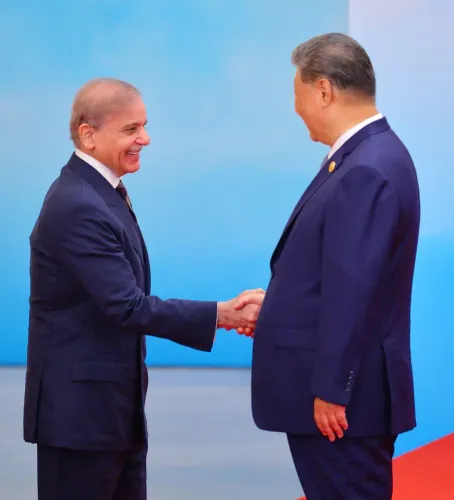
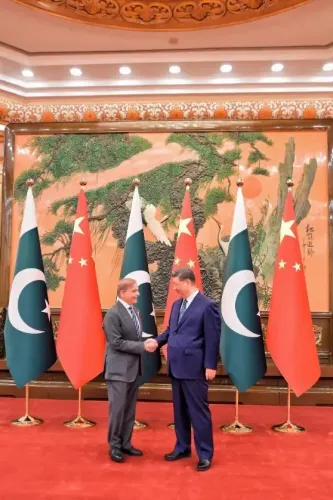
CPIC was officially presented as a fact-checking and public-relations mechanism designed to deepen media cooperation, information sharing, business engagement, think-tank collaboration, and cultural exchanges between the two countries. Pakistan's Information Minister Ataullah Tarar framed it in expansive terms at the launch, stating: 'If CPEC is its body and the shared future, CPIC will be its voice. If CPEC connects our economies, CPIC will connect our understanding.'
Critics, however, contend that the initiative is primarily a damage-limitation exercise rather than a genuine information-sharing platform.
CPEC's Record Under Scrutiny
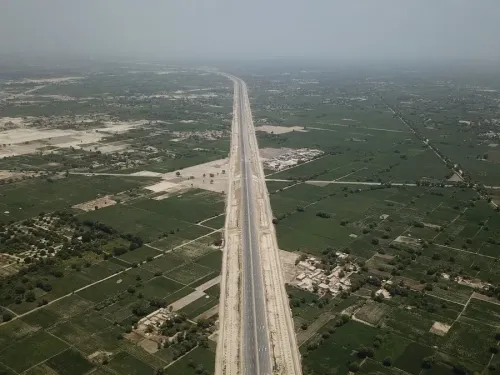
The report highlights a string of shortfalls under CPEC. While some highway infrastructure has been completed, railway development remains largely underdeveloped. The Gwadar Port — repeatedly described as the 'crown jewel' of the corridor — has continued to struggle operationally, failing to fulfil its promised role as a commercial and strategic hub.
Pakistan's ambition to become a regional transit hub, the report notes, remains unrealised, even as ordinary citizens bear a growing financial burden from the initiative's debt obligations.
The Debt Burden on Pakistani Citizens
Pakistan owes $29.2 billion to China, representing roughly one-third of its total external debt. Concerns have intensified over whether CPEC's infrastructure and power projects can generate enough revenue to service these loans.
According to the report, Beijing has already expressed frustration over delayed loan repayments and has shown reluctance to restructure the debt or renegotiate contracts. The report states: 'Chinese authorities showed reluctance to renegotiate contracts even as unpaid loan dues continued to rise.'
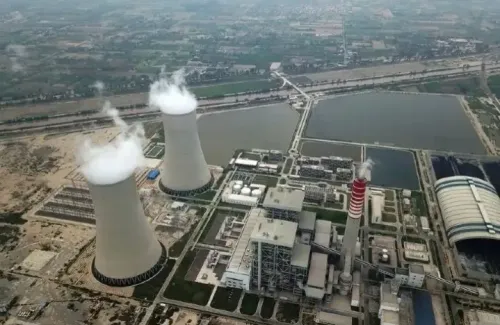
By June 2026, outstanding payments to CPEC power projects had reached PKR 423 billion, with Pakistani consumers forced to absorb the cost through a debt service surcharge on their electricity bills. The report notes that CPEC's original promise of improved energy security has instead generated widespread suspicion among Pakistani citizens, who perceive its benefits as concentrated among the country's elite.
Implications for China's BRI Ambitions
The report argues that CPEC's troubles carry consequences well beyond Pakistan, directly undermining China's broader strategic and economic footprint through the BRI. Sri Lanka is cited as a cautionary parallel: several BRI projects there became financially unviable, culminating in Colombo ceding sovereign control of Hambantota Port to China — a development that has made the island nation increasingly hesitant about further BRI engagement.
Analysts warn that the CPIC's launch, far from quieting these concerns, may intensify international scrutiny of how BRI projects are structured, funded, and governed across the region.
What to Watch
Whether the CPIC gains credibility will likely depend on whether CPEC itself delivers measurable improvements — particularly at Gwadar Port and in Pakistan's energy sector. With Pakistan's debt obligations to China continuing to mount and no confirmed debt restructuring on the table, the gap between CPEC's stated promise and lived reality looks set to widen further in the near term.
Point of View
The deeper story is what CPEC's difficulties reveal about BRI's standard contract model: opaque terms, limited local employment, and sovereign risk that smaller economies underestimated. The Sri Lanka precedent has not been forgotten in Islamabad — or in Dhaka, Colombo, or Kathmandu.
NationPress
7 Nov 2026
Frequently Asked Questions
What is the China Pakistan Information Corridor (CPIC)?
The CPIC is a bilateral initiative launched by China and Pakistan, officially framed as a platform for media cooperation, information sharing, business engagement, and cultural exchanges. Critics, however, argue its primary purpose is to defend the reputation of the troubled China-Pakistan Economic Corridor (CPEC).
Why is CPEC's image under pressure?
CPEC has faced criticism over incomplete projects, underperforming infrastructure — including the struggling Gwadar Port — and a mounting debt burden. Pakistan owes $29.2 billion to China, and CPEC power project arrears reached PKR 423 billion by June 2026, with ordinary citizens paying a surcharge on electricity bills to cover the shortfall.
How does CPEC's troubles affect China's Belt and Road Initiative (BRI)?
According to the report, CPEC's failures directly undermine China's broader BRI strategy by raising questions about project viability across partner nations. Sri Lanka is cited as a parallel case, where unviable BRI projects led to Colombo ceding sovereign control of Hambantota Port to China, making the country more hesitant about further BRI engagement.
Is China willing to restructure Pakistan's CPEC debt?
No. The report states that Beijing has expressed frustration over delayed loan repayments and has shown reluctance to restructure the debt or renegotiate contracts, even as unpaid dues have continued to rise.
What is the significance of Gwadar Port to CPEC?
Gwadar Port has long been described as the 'crown jewel' of CPEC, intended to serve as a major commercial and strategic hub linking Pakistan to Chinese trade routes. Despite the investment, the port has continued to struggle operationally, failing to fulfil its promised economic role.