CPEC loses shine: financial strain and strategic setbacks cloud China-Pakistan corridor
Synopsis
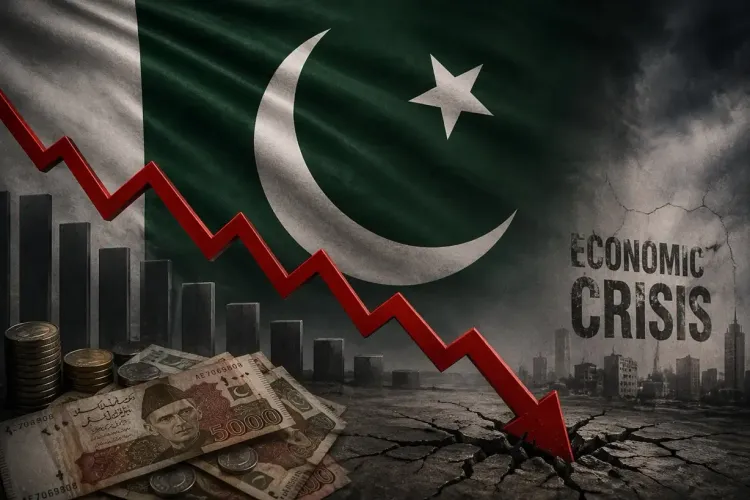
CPEC — China's most-watched BRI flagship — is unravelling on two fronts at once: Pakistan cannot service the debt, and China is not seeing the returns. With Gwadar stalled, power liabilities at Rs 543 billion, and no debt relief in sight, the corridor that was meant to validate the entire BRI model is now its biggest liability.
Key Takeaways
The China-Pakistan Economic Corridor (CPEC) is facing deepening criticism over financial performance and implementation failures, according to a European Times analysis.
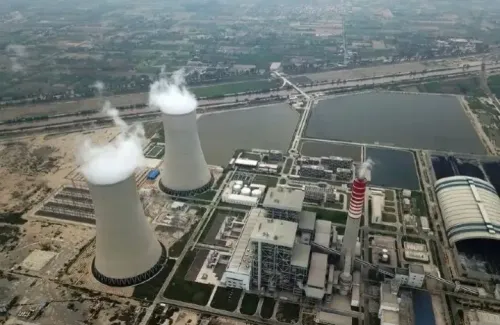
CPEC-linked power project liabilities in Pakistan have reportedly exceeded Rs 543 billion (Pakistani rupee) as of March 2026 .
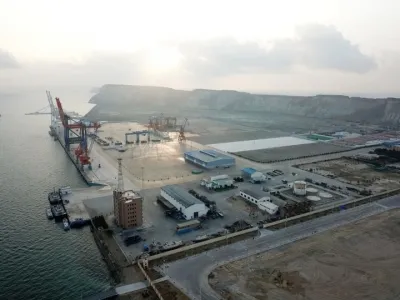
Gwadar Port , the corridor's flagship project, continues to suffer from infrastructure gaps, civic shortfalls, and local opposition.
The original $46 billion CPEC framework is clouded by uncertainty over actual financial obligations.
Pakistan has reportedly sought debt-repayment concessions from Beijing , but substantial relief has not materialised.
Analysts warn that CPEC's struggles risk undermining the credibility of China's Belt and Road Initiative globally.
The China-Pakistan Economic Corridor (CPEC), once heralded as a transformative infrastructure initiative and a cornerstone of China's Belt and Road Initiative (BRI), is now drawing mounting scrutiny over its financial performance, implementation failures, and strategic costs — for both Pakistan and Beijing, according to a report by the European Times. The analysis, cited in reports from New Delhi on 13 September 2026, paints a stark picture of a corridor that promised prosperity but has delivered deepening economic strain.
Financial Burdens Mount on Pakistan
Several CPEC-linked projects have proven expensive while failing to generate the anticipated economic returns, according to the report. Liabilities tied to CPEC-backed power projects have risen sharply, reportedly exceeding Rs 543 billion (Pakistani rupee) as of March 2026 — even as Pakistan continues to grapple with persistent energy shortages. The original $46 billion CPEC framework itself remains clouded by uncertainty, with questions surrounding the actual value and scope of financial obligations still unresolved.
Pakistani officials have reportedly sought more favourable debt-repayment arrangements from Beijing, but substantial concessions have yet to materialise. This comes amid Pakistan's worsening fiscal position, which has made servicing CPEC-linked loans increasingly difficult.
What the Report Said
The European Times analysis captured the frustration on both sides. 'While Pakistanis are frustrated by the poor performance and incapabilities of the CPEC projects to generate returns, the Chinese are worried about the repayment of huge CPEC loans amid the exacerbating financial condition of Pakistan,' the report noted. It further observed: 'So, what once was portrayed as the herald of modern infrastructure, the CPEC has itself become a source of economic difficulties.'
Gwadar Port: Flagship in Distress
The difficulties are most visible at Gwadar Port, considered the jewel of the CPEC project. Despite being projected as a major regional trade and logistics hub, Gwadar continues to lag behind expectations. According to the report, infrastructure gaps, civic shortcomings, administrative hurdles, policy inconsistencies, financial constraints, and local opposition have collectively stalled its development. Several other CPEC-linked transport and infrastructure projects have faced similar delays for comparable reasons.
Notably, Gwadar remains central to China's broader economic and strategic objectives — including securing access to the Arabian Sea and reducing dependence on the Strait of Malacca. The port's underperformance therefore carries implications well beyond Pakistan's borders.
Strategic Stakes for China and the BRI
Beijing is reportedly concerned about the slow pace of CPEC projects, security challenges, and the limited returns on its investments. The stakes are high: CPEC is widely regarded as the flagship of the Belt and Road Initiative, and its struggles risk denting the broader BRI narrative globally. 'China may see the entire narrative built around the BRI come crashing down if CPEC fails, given that it is a flagship programme,' the report warned. This is particularly significant as China courts BRI partners across Africa, Southeast Asia, and Central Asia, where CPEC's trajectory is closely watched as a reference point.
Wider Implications and What Comes Next
The CPEC situation reflects a broader pattern critics have identified in debt-financed infrastructure under the BRI model — where host nations accumulate liabilities faster than projects generate revenue. Pakistan's case, analysts argue, is among the most acute given the country's existing debt distress and IMF dependence. Whether Beijing will restructure CPEC loans or hold firm on repayment terms is expected to be a key test of the partnership in the months ahead. How that question is resolved could shape not only Pakistan's economic outlook but also the credibility of China's infrastructure diplomacy across the developing world.
Point of View
Supply chain diversification — were sold to host nations on the promise of economic transformation, a promise the numbers increasingly contradict. Pakistan is the canary in the coal mine. Its inability to service CPEC debt is not an isolated fiscal misstep; it is a preview of what other heavily indebted BRI recipients may face. For India, watching from next door, the corridor's stall is strategically convenient — but New Delhi should be careful not to mistake Beijing's setback in Pakistan for a retreat from the region. China will restructure, renegotiate, and return. The question is on whose terms.
NationPress
13 Sept 2026
Frequently Asked Questions
What is the China-Pakistan Economic Corridor (CPEC)?
CPEC is a multi-billion dollar infrastructure and investment programme linking China's Xinjiang region to Pakistan's Gwadar Port on the Arabian Sea. Originally framed as a $46 billion initiative, it is considered the flagship project of China's broader Belt and Road Initiative (BRI) and covers energy, transport, and special economic zone projects across Pakistan.
Why is CPEC facing criticism in 2026?
According to a European Times analysis, several CPEC projects have failed to generate expected economic returns while saddling Pakistan with heavy debt. Power project liabilities alone have reportedly exceeded Rs 543 billion as of March 2026, even as Pakistan continues to face energy shortages and a deteriorating fiscal position.
What is happening at Gwadar Port?
Gwadar Port, considered CPEC's flagship project, has fallen far short of its projected role as a major regional trade and logistics hub. Infrastructure gaps, civic shortcomings, administrative hurdles, financial constraints, and local opposition have all hampered its development, according to the report.
How does CPEC's struggle affect China's Belt and Road Initiative?
CPEC is the most prominent BRI project, and its difficulties risk undermining the broader BRI narrative globally. The European Times report warned that 'China may see the entire narrative built around the BRI come crashing down if CPEC fails.' Beijing is reportedly concerned about slow project progress, security challenges, and limited investment returns.
Has Pakistan received any debt relief on CPEC loans?
Pakistani officials have reportedly sought more favourable repayment arrangements from Beijing, but substantial relief has not materialised as of the time of reporting. The situation remains unresolved amid Pakistan's worsening fiscal condition and ongoing IMF engagement.