PM Modi holds 15 bilaterals in 3 days as 18th BRICS Summit concludes in New Delhi
Synopsis
PM Modi conducted 15 formal bilaterals in just three days at the 18th BRICS Summit in New Delhi — from Putin to Xi Jinping to African and Southeast Asian heads of state — turning Bharat Mandapam into a high-intensity diplomatic hub and underscoring India's strategy of using multilateral summits as concentrated foreign policy platforms.
Key Takeaways
PM Modi held 15 formal bilateral meetings across Friday, Saturday, and Sunday during the 18th BRICS Summit at Bharat Mandapam, New Delhi .
Key bilaterals included meetings with Russian President Vladimir Putin , Chinese President Xi Jinping , UN Secretary-General António Guterres , and Iranian President Masoud Pezeshkian .
On Sunday , Modi conducted seven back-to-back bilaterals with leaders from Kazakhstan, Philippines, Egypt, South Africa, Burundi, Nigeria, and Uganda.
Modi also addressed two plenary sessions — on inclusive global governance and resilience and inclusive growth — and participated in the 'Bharat Innovates' exhibition and a joint tree-plantation ceremony.
The summit mirrors India's G20 2023 playbook of using multilateral hosting to conduct concentrated, wide-ranging diplomacy.
Prime Minister Narendra Modi conducted 15 formal bilateral meetings over three days as the 18th BRICS Summit concluded at Bharat Mandapam, New Delhi on Sunday, 14 September 2026, in what observers described as one of India's most diplomatically intensive multilateral hosting efforts in recent memory. The meetings — with heads of state and government from across Asia, Africa, the Middle East, and Latin America — were held in addition to a series of pull-aside conversations on the sidelines of the summit sessions.
A Diplomatic Sprint Across Three Days
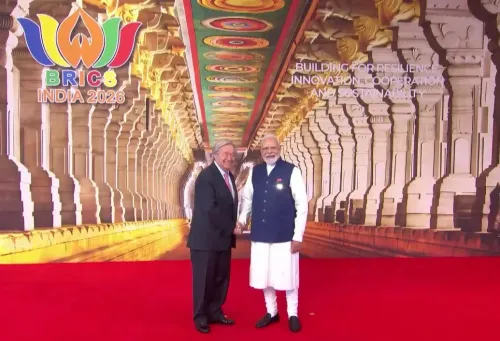
The diplomatic engagement began on Friday afternoon when Modi held discussions with Russian President Vladimir Putin at Bharat Mandapam. The same evening, he met Iranian President Masoud Pezeshkian and United Nations Secretary-General António Guterres, setting a brisk pace that would continue through the weekend.
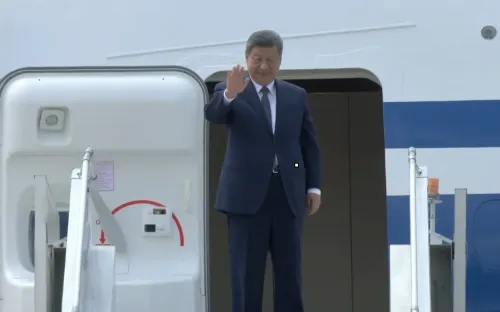
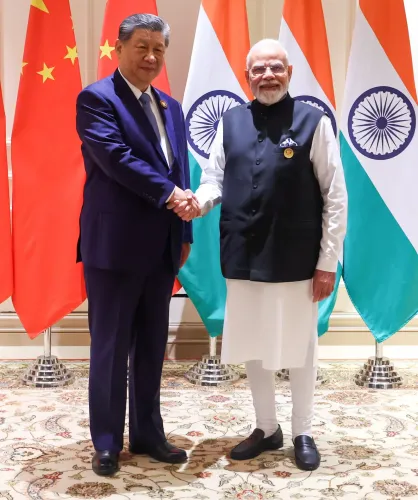
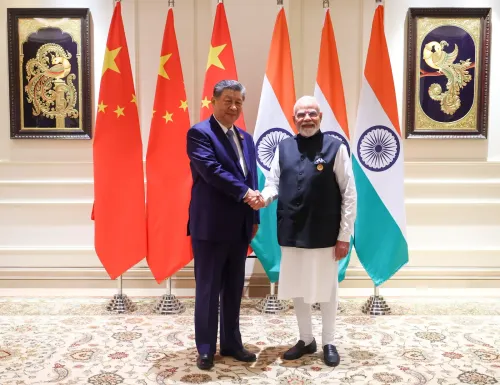
On Saturday, Modi opened the day at Hyderabad House with Ethiopian Prime Minister Abiy Ahmed Ali, before hosting Malaysian Prime Minister Anwar Ibrahim, Abu Dhabi Crown Prince Sheikh Khaled bin Mohamed bin Zayed Al Nahyan, and Vietnamese Prime Minister Le Minh Hung in quick succession. The afternoon featured the summit's most-watched engagement: a bilateral with Chinese President Xi Jinping at Bharat Mandapam. Saturday concluded with Modi hosting a gala dinner for all visiting leaders.
Summit Sessions and the Modi-Xi Meeting
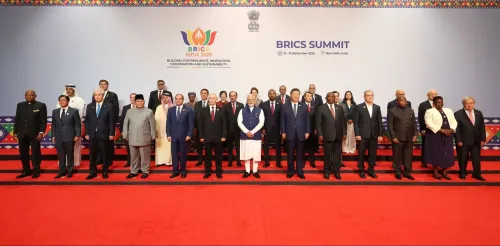
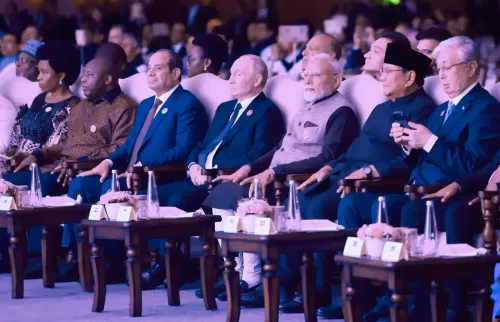
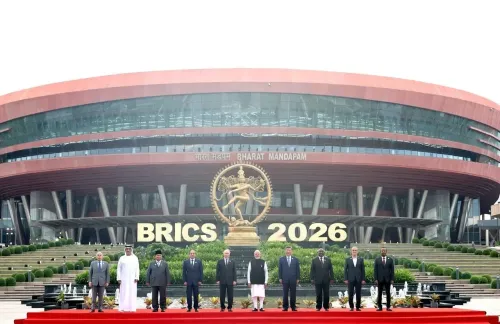
Between bilaterals on Saturday, Modi addressed a closed plenary session on 'Inclusive Global Governance and Strengthening Multilateralism' and joined BRICS leaders at the 'Bharat Innovates' exhibition, a joint tree-plantation ceremony, and the customary leaders' family photograph on the lawns of Bharat Mandapam.
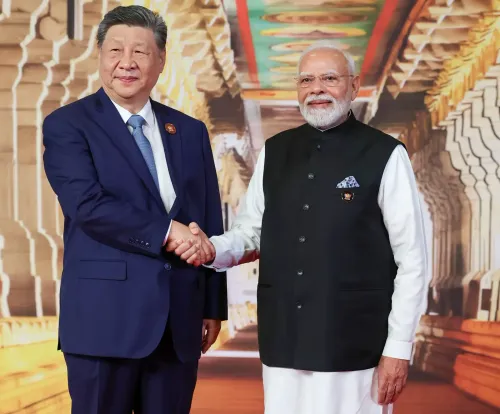
The Modi-Xi bilateral was widely regarded as the centrepiece of the weekend's diplomatic activity, given the significance of India-China relations. Details of the discussions have not been officially disclosed beyond standard readouts, but the meeting itself signals continued engagement at the highest level between the two neighbours.
Sunday's Back-to-Back Schedule
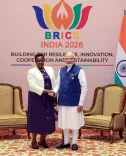
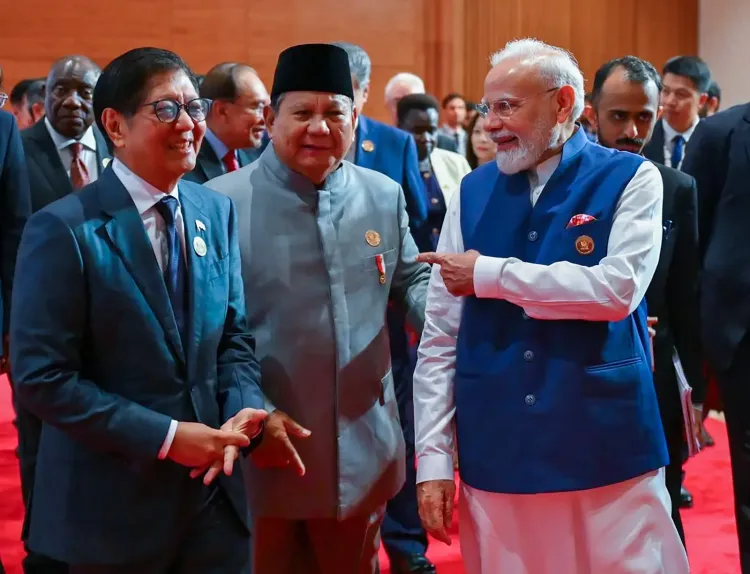
On Sunday, Modi met leaders from BRICS partner countries and outreach invitees before addressing the session on 'Resilience, Innovation, Cooperation and Sustainability: Shaping the Future for Inclusive Global Growth.' He then conducted seven consecutive bilaterals: with Kazakhstani President Kassym-Jomart Tokayev, Philippine President Ferdinand R. Marcos Jr., Egyptian President Abdel Fattah El-Sisi, South African President Cyril Ramaphosa, Burundian President Évariste Ndayishimiye, Nigerian Vice-President Kashim Shettima, and Ugandan Vice-President Jessica Alupo.
India's Multilateral Moment
India's hosting of the 18th BRICS Summit comes at a moment of heightened global interest in the bloc, which has expanded significantly in recent years. The sheer volume of engagements — 15 formal bilaterals plus multiple pull-asides — underscores New Delhi's strategy of using multilateral summits as concentrated diplomatic platforms. This approach mirrors India's use of the G20 presidency in 2023, when a similar sprint of bilaterals accompanied the New Delhi summit. The range of leaders met — spanning BRICS core members, partner countries, and international institution heads — reflects the breadth of India's current foreign policy priorities.
The summit's conclusion marks a key moment in India's BRICS chairmanship. Detailed outcomes of the summit declarations and bilateral agreements are expected to be formalised in the coming days.
Point of View
In particular, carries weight that extends well beyond the BRICS framework, given the unresolved complexities of the bilateral relationship. What is less clear from the official readouts is whether any of these engagements produced concrete deliverables or were primarily photo-opportunity diplomacy. The real measure of the summit's success will emerge from the joint declaration and any bilateral agreements that follow — not from the meeting count.
NationPress
13 Sept 2026
Frequently Asked Questions
How many bilateral meetings did PM Modi hold at the 18th BRICS Summit?
PM Modi held 15 formal bilateral meetings over three days — from Friday to Sunday — at the 18th BRICS Summit hosted at Bharat Mandapam in New Delhi. These were in addition to multiple pull-aside conversations with world leaders and heads of international institutions on the sidelines.
Who were the key leaders PM Modi met at the BRICS Summit 2026?
Modi met Russian President Vladimir Putin, Chinese President Xi Jinping, UN Secretary-General António Guterres, Iranian President Masoud Pezeshkian, Malaysian PM Anwar Ibrahim, Abu Dhabi Crown Prince Sheikh Khaled bin Mohamed bin Zayed Al Nahyan, South African President Cyril Ramaphosa, and Egyptian President Abdel Fattah El-Sisi, among others.
Where was the 18th BRICS Summit held?
The 18th BRICS Summit was held at Bharat Mandapam in New Delhi, India, from Friday to Sunday, 12–14 September 2026. India held the BRICS chairmanship for this edition.
What sessions did PM Modi address at the BRICS Summit?
PM Modi addressed two plenary sessions: one on 'Inclusive Global Governance and Strengthening Multilateralism' on Saturday, and another on 'Resilience, Innovation, Cooperation and Sustainability: Shaping the Future for Inclusive Global Growth' on Sunday. He also joined BRICS leaders at the 'Bharat Innovates' exhibition and a joint tree-plantation ceremony.
Why is the Modi-Xi bilateral at the BRICS Summit significant?
The bilateral between PM Modi and Chinese President Xi Jinping was held on the sidelines of the summit at Bharat Mandapam and is significant given the complex state of India-China relations. It marks continued high-level engagement between the two countries, though official readouts on specific outcomes of the talks had not been fully disclosed at the time of reporting.