Modi meets Xi at BRICS Delhi Summit, backs China's 2026 Presidency
Synopsis
Modi and Xi met on the margins of the Delhi BRICS Summit — the first bilateral since Tianjin in August 2025. The language was warm but formulaic: 'differences should not become disputes,' three mutuals, and a reaffirmation of peaceful boundary resolution. The real signal is India publicly backing China's BRICS chair, even as trade deficits and border scars persist.
Key Takeaways
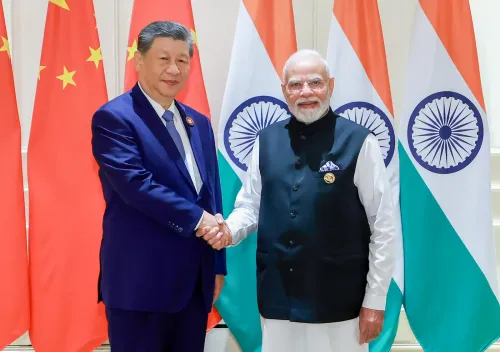
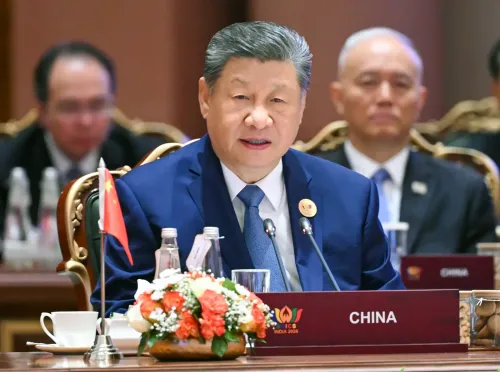
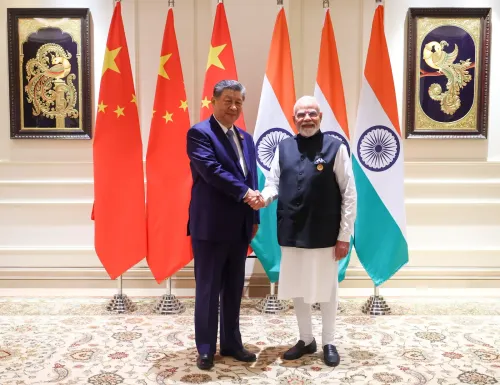
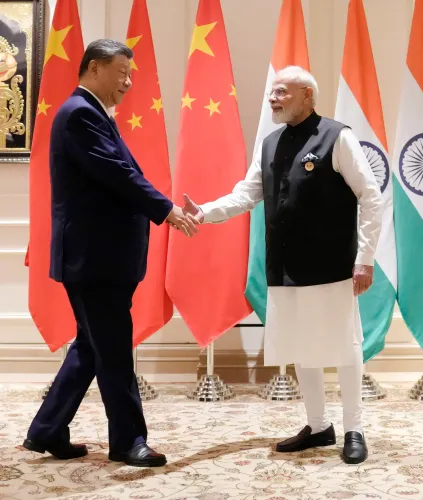
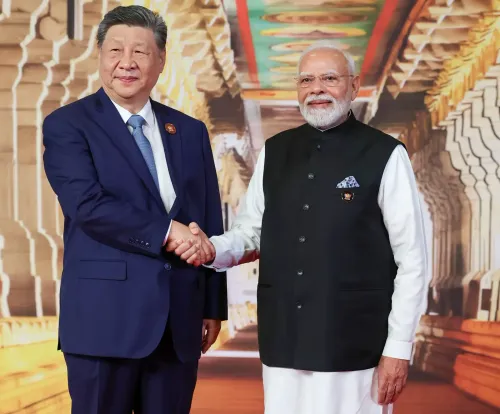
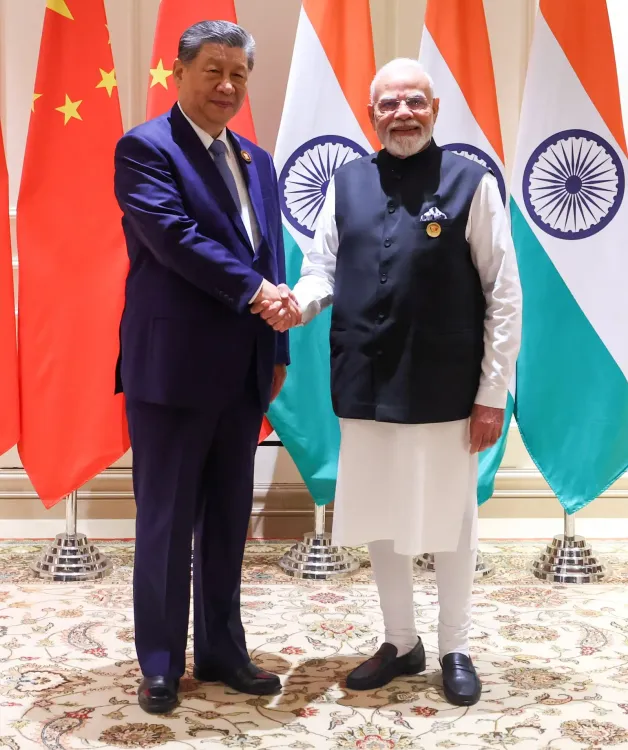
PM Modi met Chinese President Xi Jinping on the sidelines of the 18th BRICS Summit in New Delhi on 12 September .
Modi conveyed best wishes for China's BRICS Presidency beginning in 2026 .
Both leaders stressed that 'differences should not become disputes' and reaffirmed a strategic, long-term view of ties.
Modi outlined three mutuals — mutual respect, mutual sensitivity, and mutual interest — as guiding principles.
Leaders committed to a fair resolution of the boundary question and flagged the need to address structural trade imbalances .
The meeting builds on progress since the Tianjin meeting in August 2025 .
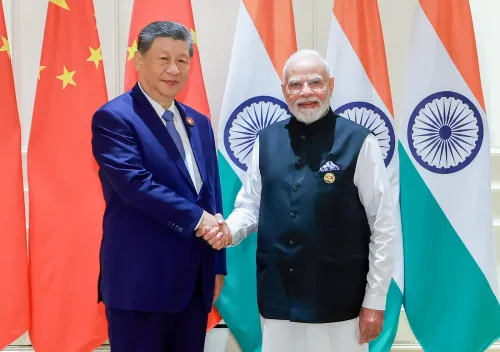
Prime Minister Narendra Modi on Saturday, 12 September held a bilateral meeting with Chinese President Xi Jinping on the sidelines of the 18th BRICS Summit in New Delhi, conveying India's best wishes for China's BRICS Presidency commencing next year. The talks covered the full spectrum of India-China relations, from border stability and trade imbalances to people-to-people ties.
Key Takeaways From the Modi-Xi Meeting
In a post on social media platform X, PM Modi said: 'Met President Xi Jinping on the sidelines of the Delhi BRICS Summit. We reviewed the full range of India-China relations. Also conveyed best wishes for China's BRICS Presidency that commences next year.'
According to a statement issued by the Ministry of External Affairs (MEA), the two leaders emphasised that 'differences should not become disputes' and reaffirmed the importance of taking a strategic and long-term perspective of bilateral ties.
Three Mutuals and Border Stability
PM Modi highlighted that both sides must be guided by what he termed the 'three mutuals' — mutual respect, mutual sensitivity, and mutual interest. The Prime Minister also stressed that peace and tranquillity in the border areas remain an essential basis for the continued development of bilateral relations.
He underlined the need for both countries to observe existing agreements and understandings on border-related issues, according to the MEA. The two leaders expressed commitment to a 'fair, reasonable, and mutually acceptable resolution of the boundary question,' proceeding from the political perspective of overall ties and the long-term interests of both peoples.
This comes amid a carefully managed thaw in India-China relations that began with their last meeting in Tianjin in August 2025. Notably, the language around the boundary question — while diplomatic — remains aspirational rather than actionable, echoing formulations used in past bilateral communiqués stretching back over a decade.
Trade Imbalances and Market Access
On economic and trade relations, both leaders underlined the need to address each other's concerns, including the structural trade imbalance, supply chain issues, and facilitation of 'meaningful and predictable market access.' India's trade deficit with China has remained a persistent friction point, with India importing far more from China than it exports — a gap that critics argue has widened despite repeated diplomatic engagements.
The two sides also took note of progress in people-to-people ties and underscored the need to further promote cultural exchanges, business linkages, and greater mobility between the two countries.
Broader Geopolitical Context
The BRICS forum — comprising Brazil, Russia, India, China, and South Africa, along with newer members — has increasingly positioned itself as a counterweight to Western-led multilateral institutions. India hosting the 18th summit and publicly backing China's incoming presidency sends a signal of diplomatic continuity, even as the two Asian giants navigate deep-seated strategic rivalries.
According to the MEA, both leaders agreed that the two sides must continue to expand common ground on regional and global issues and in addressing shared challenges. Whether this latest diplomatic engagement translates into tangible progress on the border or trade fronts remains to be seen, with the next concrete test likely during China's BRICS chairmanship in 2026.
Point of View
Vague enough to avoid binding commitments. The 'three mutuals' formulation is new branding for old principles, and the boundary resolution language has barely shifted since the Wuhan informal summit in 2018. The harder test is trade: India's deficit with China continues to swell, and 'meaningful market access' remains a phrase without a timeline or mechanism. Backing China's BRICS presidency is smart multilateral diplomacy, but it should not be mistaken for a reset on the issues that actually divide the two countries.
NationPress
28 Oct 2026
Frequently Asked Questions
What did PM Modi and Xi Jinping discuss at the BRICS Summit?
They reviewed the full range of India-China relations, including border stability, trade imbalances, people-to-people ties, and the upcoming transition of the BRICS Presidency to China in 2026. Modi also outlined the 'three mutuals' — mutual respect, mutual sensitivity, and mutual interest.
What are PM Modi's 'three mutuals' for India-China ties?
The three mutuals are mutual respect, mutual sensitivity, and mutual interest. PM Modi highlighted these as the guiding principles for both countries in managing their bilateral relationship.
When did Modi and Xi last meet before this summit?
Their previous meeting took place in Tianjin, China, in August 2025. According to the MEA, the two leaders welcomed steady progress in bilateral relations since that engagement.
What did the leaders say about the India-China border dispute?
They expressed commitment to a 'fair, reasonable, and mutually acceptable resolution of the boundary question.' PM Modi stressed that peace and tranquillity in border areas remain essential for the broader relationship.
When does China take over the BRICS Presidency?
China's BRICS Presidency commences in 2026. PM Modi conveyed India's best wishes for the incoming chairmanship during the bilateral meeting at the Delhi summit.