Modi-Xi meet at BRICS 2026: 'Differences must not become disputes'
Synopsis
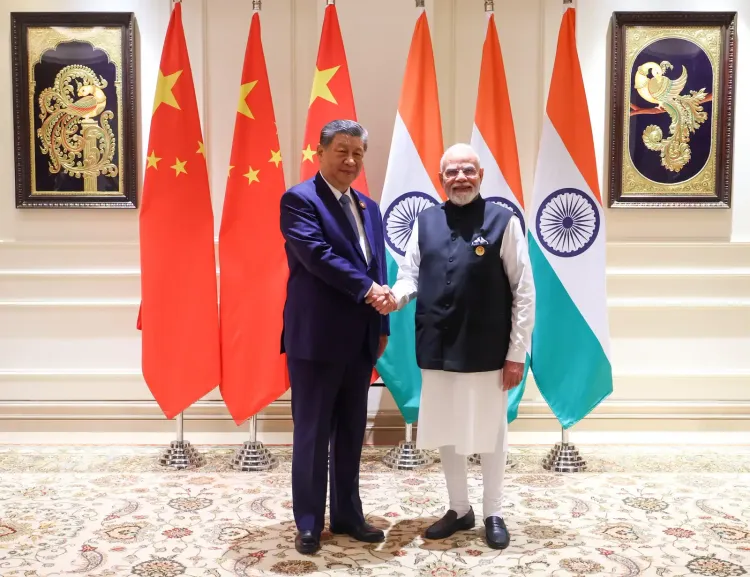
At the 18th BRICS Summit in New Delhi, Modi and Xi met face-to-face and agreed that 'differences should not become disputes' — their third high-level interaction in months. With border peace, trade imbalance, and people-to-people ties all on the table, the meeting signals a deliberate effort to institutionalise stability in one of Asia's most consequential — and fraught — bilateral relationships.
Key Takeaways
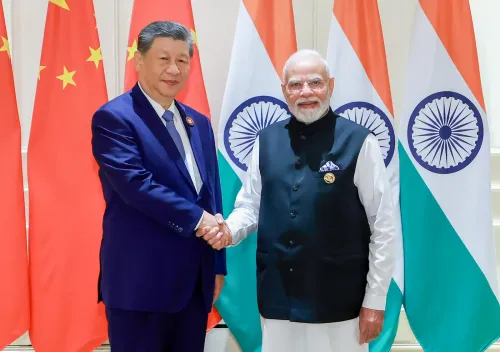
PM Narendra Modi and Chinese President Xi Jinping held a bilateral meeting on 12 September on the sidelines of the 18th BRICS Summit in New Delhi .
Both leaders reaffirmed that 'differences should not become disputes' and called for a strategic, long-term view of India-China ties.
Modi stressed his 'three mutuals' framework: mutual respect, mutual sensitivity, and mutual interest .
Border peace and tranquillity was described as 'an essential basis' for continued bilateral development; both sides committed to observing existing border agreements.
Leaders flagged the need to address structural trade imbalance , supply chain issues, and meaningful market access.
Jaishankar and NSA Ajit Doval were among officials present at the meeting.
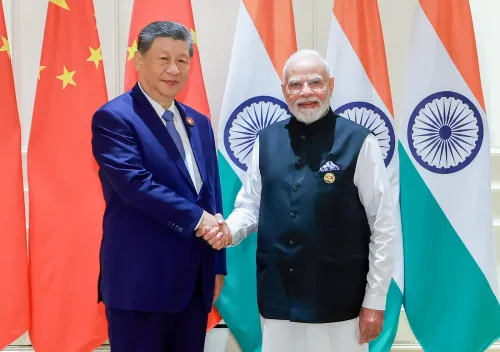
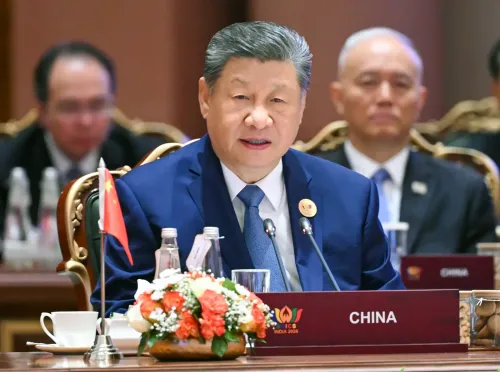
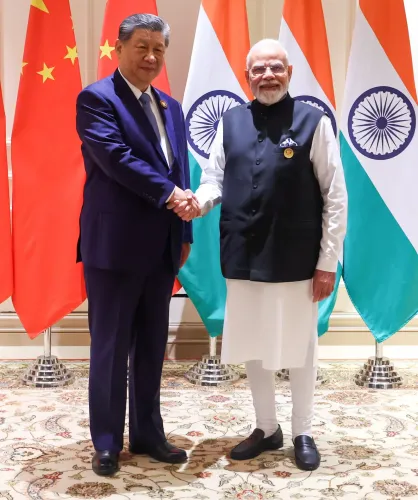
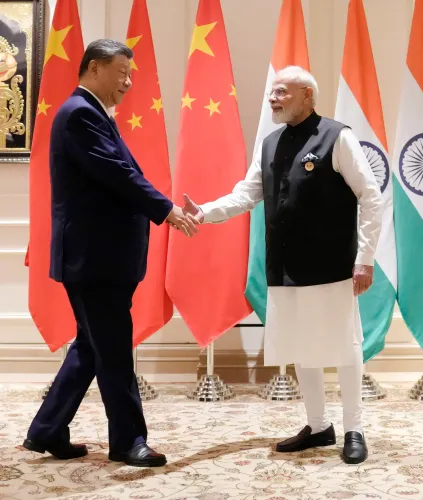
Prime Minister Narendra Modi and Chinese President Xi Jinping held a bilateral meeting on Saturday, 12 September on the sidelines of the 18th BRICS Summit in New Delhi, with both leaders reaffirming that their countries must take a strategic and long-term view of ties and that 'differences should not become disputes.' The meeting, attended by External Affairs Minister S. Jaishankar and National Security Advisor Ajit Doval, produced a joint emphasis on border peace, trade balance, and expanded people-to-people contact.
Key Outcomes of the Bilateral
According to a statement issued by the Ministry of External Affairs (MEA) after the meeting, both leaders welcomed 'the steady progress in India-China bilateral relations since their last meeting in Tianjin in August 2025.' Prime Minister Modi underlined what he called the 'three mutuals' — mutual respect, mutual sensitivity, and mutual interest — as the guiding principles for the relationship going forward.
Modi also stressed that peace and tranquillity along the border areas remains 'an essential basis for the continued development of bilateral relations,' and underlined the need for both sides to observe existing agreements and understandings on border-related issues, according to the MEA statement.
Border Question and Long-Term Resolution
'The two leaders expressed commitment to a fair, reasonable, and mutually acceptable resolution of the boundary question proceeding from the political perspective of their overall bilateral relations and the long-term interests of the two peoples,' the MEA statement read. This language signals a continued effort to institutionalise dialogue on the boundary dispute rather than allow flashpoints to escalate — a posture India has maintained consistently since the Galwan clashes of 2020, which resulted in fatalities on both sides and severely strained ties.
Notably, this is at least the third high-level interaction between Modi and Xi in recent months — they had a brief exchange at the Shanghai Cooperation Organisation (SCO) Summit in Bishkek, Kyrgyzstan on 31 August, and had previously met on the sidelines of the SCO Summit in Tianjin in August 2025. The frequency of contact marks a deliberate diplomatic tempo aimed at stabilising the relationship.
Trade Imbalance and Economic Agenda
On the economic front, both leaders acknowledged outstanding concerns. The MEA statement noted that they 'underlined the need to address each other's concerns, including structural trade imbalance and supply chain issues, and facilitation of meaningful and predictable market access.' India has long flagged its widening trade deficit with China as a structural concern, and the explicit mention of 'meaningful and predictable market access' suggests New Delhi is pressing Beijing for greater reciprocity in commercial engagement.
Both leaders also took note of progress in people-to-people ties and called for further promotion of cultural exchanges, business linkages, and greater mobility between the two countries.
BRICS Summit Backdrop
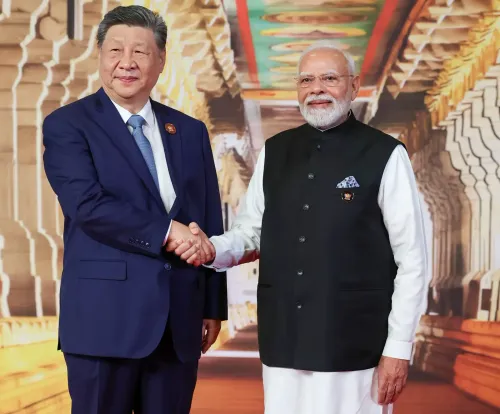
Earlier on Saturday, Prime Minister Modi warmly welcomed President Xi and other BRICS leaders at the summit venue, with the iconic Ramanathaswamy Temple in Rameswaram forming the ceremonial backdrop. Modi was reportedly seen briefly explaining the temple's historical and cultural significance to Xi during the welcome ceremony. The MEA statement noted that Modi 'appreciated China's support for India's BRICS chairship and its contributions towards the success of the BRICS Summit-2026.'
Both leaders also agreed to continue expanding common ground on regional and global issues — a formulation that reflects the broader multilateral context in which the two powers increasingly find themselves navigating shared platforms despite bilateral friction.
What Comes Next
The diplomatic momentum established through repeated high-level meetings will now need to translate into verifiable ground-level outcomes — particularly on border patrolling arrangements and trade access. Analysts will watch whether the 'three mutuals' framework outlined by Modi gains traction in working-level talks between the two foreign ministries in the months ahead.
Point of View
Suggesting India is tying commercial normalisation to concrete Chinese reciprocity. What is missing from the public record is any indication of progress on specific border flashpoints or a timeline for disengagement monitoring. Until working-level talks produce verifiable outcomes, the diplomatic tempo — however impressive in frequency — risks becoming an end in itself rather than a bridge to durable stability.
NationPress
28 Oct 2026
Frequently Asked Questions
What did Modi and Xi agree on at the BRICS Summit 2026?
Modi and Xi agreed that 'differences should not become disputes' and reaffirmed a strategic, long-term approach to India-China relations at their bilateral meeting on 12 September in New Delhi. They also committed to border peace, resolving trade imbalances, and expanding people-to-people ties.
What are Modi's 'three mutuals' in India-China relations?
Prime Minister Modi outlined three guiding principles for the bilateral relationship: mutual respect, mutual sensitivity, and mutual interest. He presented these as the framework within which both sides should manage differences and develop ties.
How does this meeting fit into recent India-China diplomatic history?
This was at least the third high-level interaction between Modi and Xi in recent months, following a brief exchange at the SCO Summit in Bishkek on 31 August and an earlier meeting in Tianjin in August 2025. The meetings reflect a sustained effort to stabilise ties following the deadly Galwan clashes of 2020.
What was said about the India-China border dispute?
Both leaders expressed commitment to 'a fair, reasonable, and mutually acceptable resolution of the boundary question' and underlined the need to observe existing border agreements. Modi specifically stressed that peace and tranquillity in border areas is an essential basis for developing bilateral relations.
What trade issues did Modi and Xi discuss?
The two leaders acknowledged the need to address structural trade imbalance, supply chain concerns, and the facilitation of meaningful and predictable market access — areas where India has long sought greater reciprocity from China. No specific measures or timelines were announced in the MEA readout.