Vaishnaw Drops Mobile PLI Numbers: ₹3 Lakh Cr GST, 12 Lakh Jobs
Synopsis
Union Minister Ashwini Vaishnaw posted PLI mobile manufacturing figures on X: ₹19,000 crore in government incentives yielded ₹25,000 crore in direct tax and ₹3 lakh crore in GST, while the sector now employs 25 lakh people, with 12 lakh in mobile manufacturing alone.
Key Takeaways
The government paid ₹19,000 crore in PLI incentives for mobile manufacturing.
Direct taxes collected from the sector reached ₹25,000 crore , exceeding the incentive outlay.
GST collections from electronics manufacturing totalled ₹3,00,000 crore — roughly 15.8x the incentive paid.
The electronics sector employs 25 lakh people in total; mobile manufacturing alone accounts for 12 lakh .
The PLI scheme for Large Scale Electronics Manufacturing was launched in 2020 under MeitY as part of Make in India and Atmanirbhar Bharat frameworks.
Vaishnaw's combative 'Cope harder!!' framing signals a direct rebuttal to critics who call PLI schemes fiscally wasteful.
The numbers land like a scoreboard — and Union Minister Ashwini Vaishnaw is clearly not in the mood for understatement. On Wednesday, October 29, 2026, India's Electronics and IT Minister posted a blunt data dump on X that frames the Production Linked Incentive (PLI) scheme for mobile manufacturing as one of the most fiscally self-justifying industrial bets the government has made.
The post laid out four figures in rapid succession: the government paid out ₹19,000 crore in incentives, collected ₹25,000 crore in direct taxes, swept in ₹3,00,000 crore in GST, and oversaw an electronics sector that now employs 25 lakh people — with mobile manufacturing alone accounting for 12 lakh jobs. Vaishnaw's closing line — 'Cope harder!!' — was a deliberate, combative flourish aimed squarely at critics of the PLI model, not a policy statement. The numbers, he implied, do the arguing.
How ₹19,000 Crore In Went ₹3 Lakh Crore Out
The arithmetic Vaishnaw is presenting is a fiscal multiplier argument: for every rupee the government paid out in PLI incentives, it collected back — at least on the GST line alone — roughly ₹15.8. That ratio, if the figures hold under scrutiny, would represent an unusually clean return-on-incentive for an industrial subsidy scheme anywhere in the world. The direct-tax collection of ₹25,000 crore alone exceeds the incentive payout, making the GST figure the additional windfall on top.
The PLI scheme for Large Scale Electronics Manufacturing was approved in 2020 under the Ministry of Electronics and Information Technology (MeitY), with an initial design to attract global mobile phone manufacturers and anchor local assembly. Companies like Apple suppliers and Samsung expanded Indian operations under its framework, shifting volumes that had previously been concentrated in China. The scheme sits at the operational heart of both Make in India and the Atmanirbhar Bharat policy frameworks.
12 Lakh Mobile Jobs — and What the Number Signals
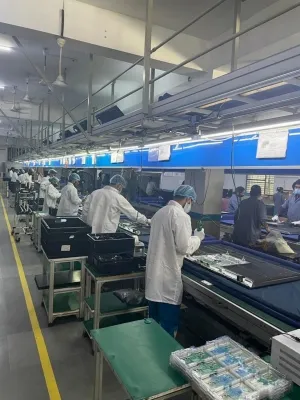
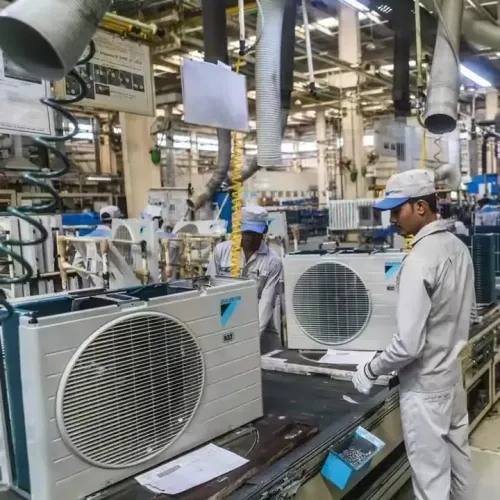
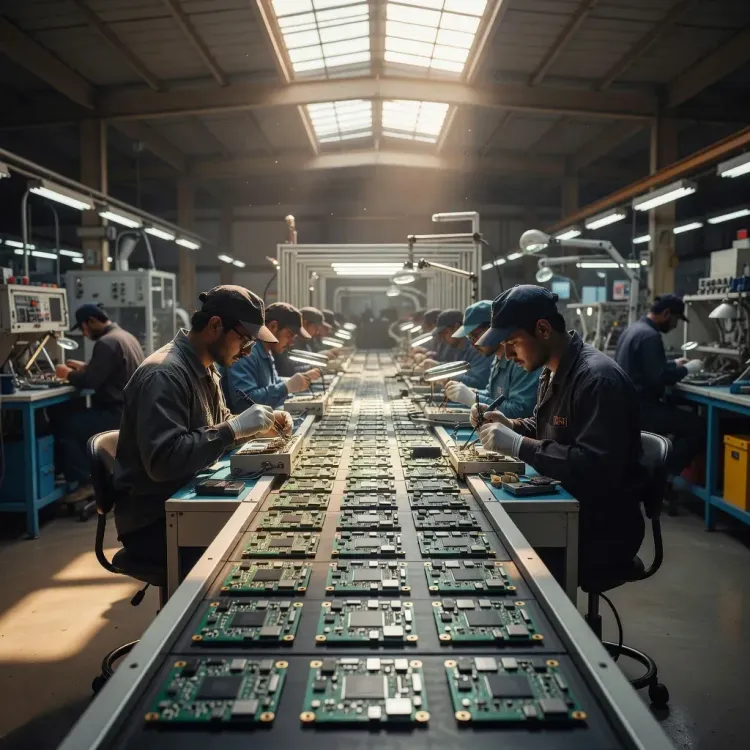
The employment figure may be the sharpest data point of all. 12 lakh direct jobs in a single product category — mobile phones — represents a structural transformation of India's electronics workforce, which for most of the last two decades was dominated by imports rather than domestic assembly lines. The broader electronics sector's 25 lakh employment figure suggests mobile manufacturing now accounts for nearly half the sector's total headcount.
India has pursued PLI frameworks across 14 sectors, from semiconductors to white goods, but the mobile scheme has consistently been cited as the most measurable early performer. The government's next data milestone to watch: rollout of PLI extensions into components and semiconductor packaging, and the release of updated investment and employment tallies in upcoming economic surveys.
The Political Context of 'Cope Harder'
Vaishnaw's tone was unmistakably combative — 'Cope harder!!' is the language of an online counter-argument, not a ministry press release. It signals the minister is responding to a specific criticism circulating in policy or political commentary: the recurring charge that PLI schemes are expensive corporate giveaways that cost the exchequer without commensurate public returns. The data he cites is his rebuttal. Whether critics accept the framing — or challenge the methodology behind how these numbers are aggregated — will shape the next round of this debate.
India's ambition to capture a meaningful share of the global smartphone supply chain, reducing the structural dependence on Chinese manufacturing that the pandemic made so visible, rests in large part on whether the PLI model scales from assembly to deep component manufacturing. The GST bonanza is real. The harder question is whether the jobs and the tax revenues outlast the incentive payouts — and that answer won't come from a single X post.
Point of View
Not a neutral data release. The numbers, if verified, would represent one of the strongest documented returns on a manufacturing incentive scheme in India's policy history, and the minister knows it. This fits a broader BJP electoral and policy arc of defending supply-side industrial subsidies through outcome metrics rather than design theory. The real test of the PLI model's durability, however, lies in whether the next phase — components and semiconductors — can replicate the mobile assembly story's employment and tax trajectory.
NationPress
28 Oct 2026
Frequently Asked Questions
What is the PLI scheme for mobile manufacturing in India?
The Production Linked Incentive (PLI) scheme for Large Scale Electronics Manufacturing was launched in 2020 by MeitY to offer financial incentives to companies manufacturing mobile phones and electronics components in India, with the goal of reducing import dependence and boosting domestic production.
How much GST has India collected from electronics manufacturing under PLI?
According to Union Minister Ashwini Vaishnaw's October 2026 post, GST collected from the electronics manufacturing sector stands at ₹3,00,000 crore, compared to ₹19,000 crore paid out in government incentives.
How many jobs has mobile manufacturing created in India?
As per figures cited by Minister Vaishnaw, mobile manufacturing employs 12 lakh people directly, while the broader electronics manufacturing sector employs 25 lakh people in total.
Is the PLI scheme for mobiles profitable for the government?
Based on figures shared by Minister Vaishnaw, the government collected ₹25,000 crore in direct taxes and ₹3 lakh crore in GST against ₹19,000 crore in incentives paid — suggesting a significant net fiscal positive, though independent verification of the aggregation methodology is pending.
What does 'Cope harder' mean in Vaishnaw's PLI post?
'Cope harder!!' is colloquial internet language meaning critics should deal with the evidence being presented. Vaishnaw used it to signal his post is a direct rebuttal to those who argue PLI schemes are wasteful government subsidies.