PLI schemes draw ₹2.4 lakh crore investment, generate 14.15 lakh jobs: Parliament
Synopsis
India's PLI schemes have unlocked ₹2.40 lakh crore in actual investments and ₹15.2 lakh crore in exports as of March 2026 — with PLI-linked exports nearly quadrupling in a single year. The mobile manufacturing turnaround is the sharpest signal yet: 99.2% domestic production share, imports down 77%. The question now is whether job creation can match the investment headline.
Key Takeaways
PLI schemes attracted actual investments of over ₹2.40 lakh crore across 14 sectors as of 31 March 2026 .
Over 14.15 lakh direct and indirect jobs have been generated under the programme.
PLI-linked exports rose from ₹4 lakh crore in FY24 to ₹15.2 lakh crore in FY26.
Solar PV modules led sectoral investment at ₹64,873 crore , followed by pharmaceuticals (₹45,158 crore) and automobiles (₹44,326 crore).
Mobile phone production has grown 2.4 times ; 99.2% of phones sold in India are now made domestically, with imports down 77% .
The scheme was launched with an approved outlay of ₹1.91 lakh crore , monitored by DPIIT and the Empowered Group of Secretaries .
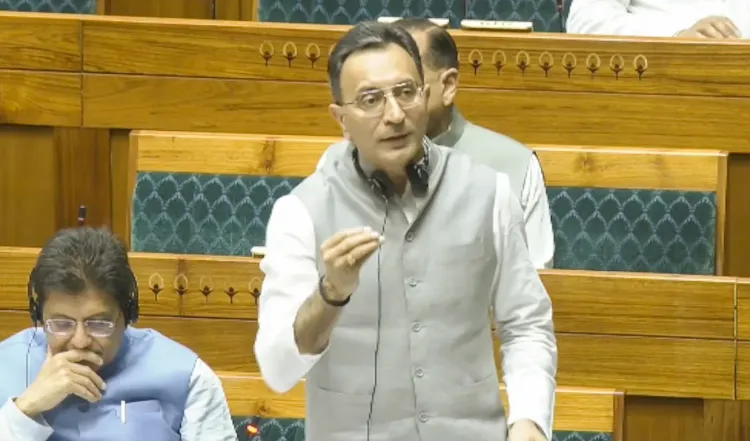
India's Production Linked Incentive (PLI) schemes have attracted actual investments exceeding ₹2.40 lakh crore, created over 14.15 lakh direct and indirect jobs, and driven exports worth ₹15.2 lakh crore across 14 key sectors as of 31 March 2026, the government informed Parliament on Tuesday, 21 July. The figures, shared in a written reply in the Lok Sabha, mark the most comprehensive public accounting of the flagship industrial scheme since its launch.
What the Government Told Parliament
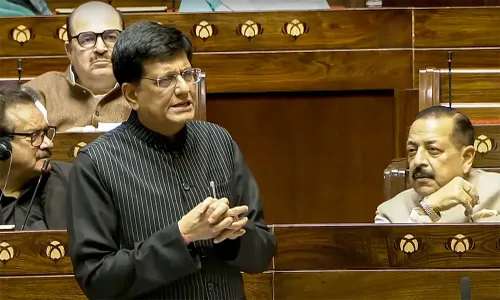
Minister of State for Commerce and Industry Jitin Prasada stated in his written reply that the PLI schemes were launched with an approved financial outlay of ₹1.91 lakh crore. The Department for Promotion of Industry and Internal Trade (DPIIT) serves as the nodal coordinating and monitoring agency, while individual ministries handle sector-level implementation.
Periodic reviews are conducted by the Empowered Group of Secretaries (EGoS), chaired by the Cabinet Secretary, alongside oversight by the respective sectoral ministries.
Export Surge Across Three Years
PLI-linked exports have recorded sharp year-on-year growth. From ₹4 lakh crore in FY24, exports climbed to ₹6.5 lakh crore in FY25 before nearly doubling to ₹15.2 lakh crore in FY26. The government attributed this trajectory to India's deepening integration with global value chains — a key strategic objective of the scheme.
Top Sectors by Investment
Among the 14 sectors covered, high-efficiency solar photovoltaic (PV) modules attracted the highest cumulative investment at ₹64,873 crore, followed by pharmaceuticals at ₹45,158 crore and automobiles and auto components at ₹44,326 crore. Speciality steel drew ₹23,896 crore, while large-scale electronics manufacturing attracted ₹20,580 crore.
Mobile Manufacturing: A Standout Story
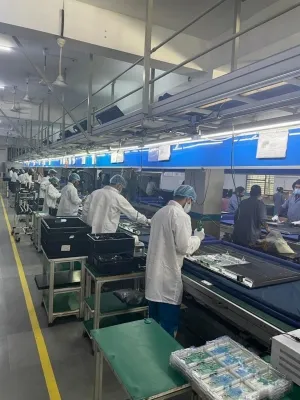
The government highlighted electronics as a particular success. Mobile phone production has increased approximately 2.4 times since the PLI programme's launch. Notably, 99.2% of mobile phones sold in India are now manufactured domestically, while imports have declined by around 77% — a reversal that would have seemed improbable a decade ago when India was among the world's largest mobile importers.
What Comes Next
With PLI exports nearly quadrupling in a single year from FY25 to FY26, the scheme's trajectory will face scrutiny over whether the gains are broad-based or concentrated in a few high-output sectors. Analysts and industry bodies will be watching whether job creation keeps pace with investment flows — the metric that critics argue has historically lagged in incentive-linked industrial programmes. The EGoS review cycle is expected to continue through the current financial year.
Point of View
But the composition matters more than the headline. If solar modules and mobile phones account for the bulk of that jump, the diversification story remains incomplete. The 14.15 lakh jobs figure also deserves scrutiny: the scheme's approved outlay is ₹1.91 lakh crore, yet actual investments have already crossed ₹2.40 lakh crore — a sign of private sector confidence, but also of a programme that needs rigorous, independent employment verification to prove its social dividend matches its industrial one.
NationPress
20 Oct 2026
Frequently Asked Questions
What have India's PLI schemes achieved as of March 2026?
As of 31 March 2026, the PLI schemes have attracted investments exceeding ₹2.40 lakh crore, generated over 14.15 lakh direct and indirect jobs, and enabled exports worth ₹15.2 lakh crore across 14 key sectors. These figures were shared by the government in a written reply in the Lok Sabha on 21 July.
Which sectors received the most investment under the PLI scheme?
High-efficiency solar photovoltaic modules topped the list with ₹64,873 crore in cumulative investment, followed by pharmaceuticals at ₹45,158 crore and automobiles and auto components at ₹44,326 crore. Speciality steel and large-scale electronics manufacturing also featured prominently.
How has mobile phone manufacturing changed under PLI?
Mobile phone production has increased approximately 2.4 times since the PLI programme launched. Nearly 99.2% of mobile phones sold in India are now manufactured domestically, and imports have declined by around 77%, marking a significant shift in India's electronics supply chain.
How much have PLI-linked exports grown?
PLI-linked exports grew from ₹4 lakh crore in FY24 to ₹6.5 lakh crore in FY25 and further to ₹15.2 lakh crore in FY26 — nearly quadrupling over two years. The government attributed this to India's growing integration with global value chains.
Who oversees the implementation of PLI schemes?
The Department for Promotion of Industry and Internal Trade (DPIIT) acts as the nodal coordinating and monitoring agency. Sector-level implementation is handled by respective ministries, and the Empowered Group of Secretaries (EGoS), chaired by the Cabinet Secretary, conducts periodic reviews.