Xi Jinping departs Delhi after BRICS Summit, Modi bilateral sets border tone
Synopsis
Xi Jinping's New Delhi visit for the 18th BRICS Summit doubled as a diplomatic inflection point for India-China ties. The Modi-Xi bilateral — their first in New Delhi in years — produced carefully worded language on border peace and trade imbalance, signalling a managed thaw rather than a full reset. The phrase 'differences should not become disputes' is the new baseline.
Key Takeaways
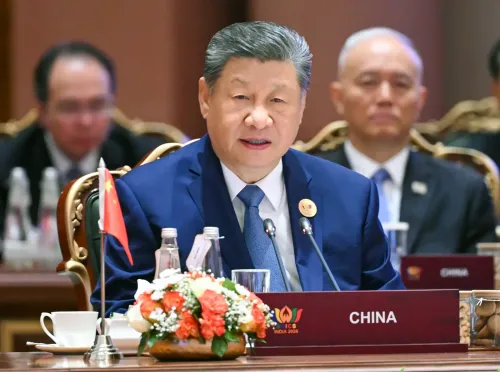
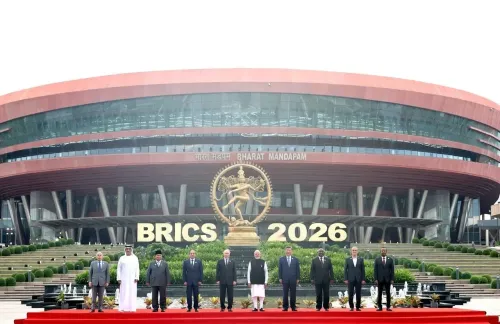
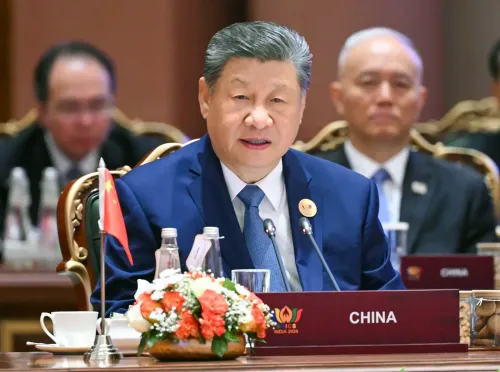
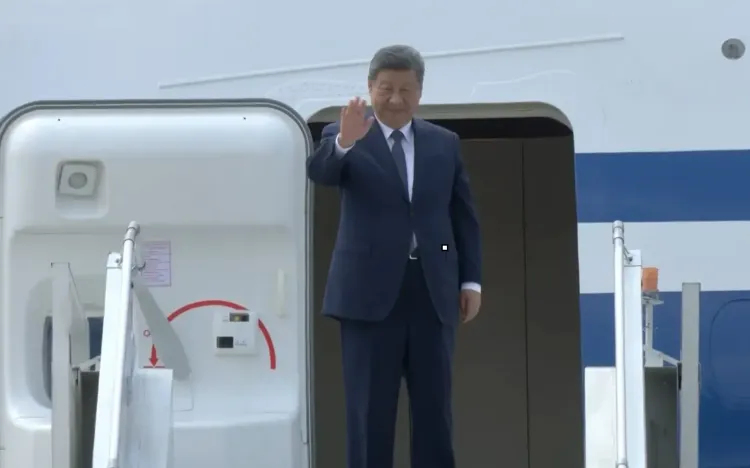
Chinese President Xi Jinping departed New Delhi on 13 September 2026 after attending the 18th BRICS Summit at Bharat Mandapam .
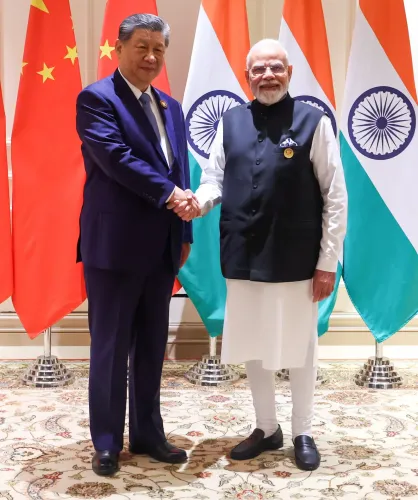
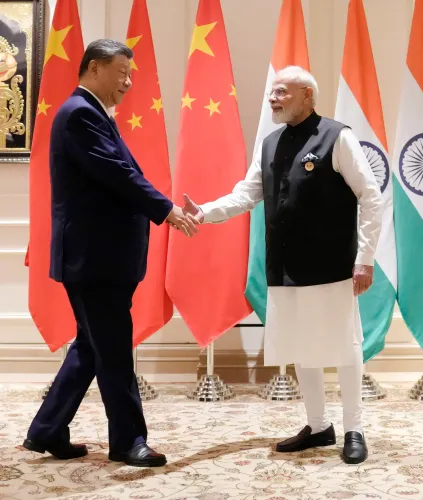
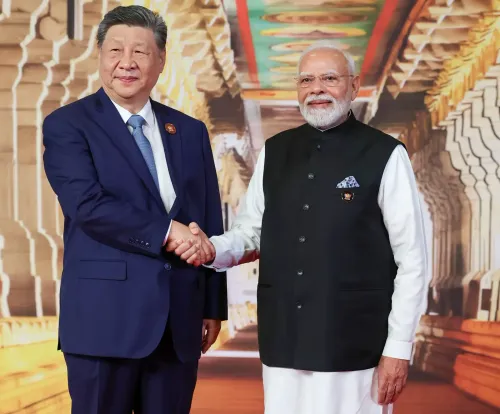
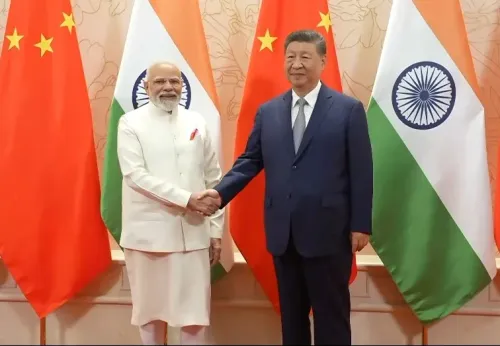
Xi and PM Narendra Modi held a bilateral meeting, their most substantive engagement since Tianjin in August 2025 .
Both leaders agreed that 'differences should not become disputes' and committed to a 'three mutuals' framework: mutual respect, sensitivity, and interest.
Modi stressed that peace on the border is 'an essential basis' for bilateral progress, with both sides pledging to honour existing LAC agreements.
Leaders flagged the need to resolve structural trade imbalance and improve market access as key economic priorities.
Modi thanked China for supporting India's BRICS chairship and the success of the 2026 summit .
Chinese President Xi Jinping departed New Delhi on Sunday, 13 September 2026, concluding his visit to India for the 18th BRICS Summit hosted at Bharat Mandapam. The two-day summit, held under India's BRICS chairship, brought together leaders of member nations for deliberations on trade, innovation, and global governance.
BRICS Engagements on the Sidelines
Xi participated in a joint tree plantation drive alongside fellow BRICS leaders in New Delhi, and the delegation visited the Bharat Innovates Exposition at Bharat Mandapam — a showcase of India's technology and innovation ecosystem. The ceremonial and substantive engagements underscored the summit's twin focus on multilateral cooperation and bilateral optics.
Modi-Xi Bilateral: 'Differences Must Not Become Disputes'
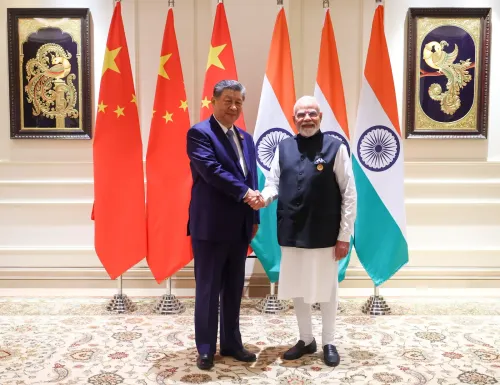
The centrepiece of Xi's visit was a bilateral meeting with Prime Minister Narendra Modi, their first in New Delhi in several years. A statement issued by the Ministry of External Affairs (MEA) described the tone as constructive, with both leaders welcoming the steady progress in ties since their last meeting in Tianjin in August 2025.
'The two leaders reaffirmed that both countries should take a strategic and long-term perspective of their ties. Differences should not become disputes,' the MEA statement read. Modi framed India's approach around what he called 'three mutuals' — mutual respect, mutual sensitivity, and mutual interest.
Border Issues Front and Centre
Modi explicitly stressed that peace and tranquillity in the border areas remain 'an essential basis for the continued development of bilateral relations,' according to the MEA. He underlined the need to observe existing agreements and understandings on border-related matters.
'The two leaders expressed commitment to a fair, reasonable, and mutually acceptable resolution of the boundary question proceeding from the political perspective of their overall bilateral relations and the long-term interests of the two peoples,' the MEA statement added. The formulation is notable given the sustained tensions along the Line of Actual Control (LAC) that had strained ties since 2020.
Trade Imbalance and People-to-People Ties
On the economic front, both sides flagged the need to address structural trade imbalance, supply chain concerns, and 'meaningful and predictable market access' — language that signals India's continued discomfort with the heavily lopsided bilateral trade, where China runs a substantial surplus. The leaders also agreed to promote cultural exchanges, business linkages, and greater mobility between the two countries.
India's BRICS Chairship Acknowledged
In a diplomatically significant gesture, Modi acknowledged China's support for India's BRICS chairship and its contributions to the success of the BRICS Summit 2026. Both leaders agreed to continue expanding common ground on regional and global issues — a signal, analysts say, of a cautious but deliberate stabilisation of one of Asia's most consequential bilateral relationships.
With Xi's departure, attention now shifts to whether the diplomatic momentum from New Delhi translates into concrete progress on border patrolling protocols and trade facilitation in the months ahead.
Point of View
Hedge-laden language from the MEA — 'differences should not become disputes,' 'mutually acceptable resolution' — is progress, but it is incremental. India and China have produced similar joint formulations before, most notably in 2020, only for relations to deteriorate sharply on the ground. The real signal will come from operational details: whether border patrolling norms are formalised, and whether China eases the market access restrictions that have fed India's trade deficit. A summit communiqué that does not move those needles is, at best, a stabilisation — not a reset.
NationPress
13 Sept 2026
Frequently Asked Questions
Why did Xi Jinping visit India in September 2026?
Xi Jinping visited India to attend the 18th BRICS Summit hosted at Bharat Mandapam in New Delhi on 13 September 2026. On the sidelines, he also held a bilateral meeting with Prime Minister Narendra Modi, their most significant engagement since meeting in Tianjin in August 2025.
What did Modi and Xi agree on at their bilateral meeting?
The two leaders agreed that 'differences should not become disputes' and reaffirmed a strategic, long-term view of India-China ties. Modi stressed the importance of border peace and the 'three mutuals' principle — mutual respect, mutual sensitivity, and mutual interest — while both sides committed to resolving the boundary question through dialogue.
What was said about the India-China border situation?
Prime Minister Modi underlined that peace and tranquillity along the border remain 'an essential basis' for bilateral development, calling on both sides to honour existing agreements on border-related issues. Both leaders expressed commitment to a fair and mutually acceptable resolution of the boundary question.
Was trade discussed at the Modi-Xi meeting?
Yes. Both leaders acknowledged the need to address structural trade imbalance, supply chain concerns, and 'meaningful and predictable market access' — reflecting India's longstanding concern over a significant trade deficit with China. They also agreed to promote greater people-to-people ties and business linkages.
What is the significance of the BRICS Summit 2026 for India-China relations?
The summit, hosted under India's BRICS chairship, provided a neutral diplomatic setting for the most direct high-level India-China engagement in over a year. Xi's acknowledgment of India's chairship role and the tone of the bilateral are seen as signs of a cautious stabilisation, though analysts note that concrete progress on border and trade issues will determine whether this marks a genuine turning point.