Bangladesh measles outbreak: 1.89 lakh cases, 1,012 deaths since March 2026
Synopsis
Bangladesh's measles outbreak has killed over 1,000 people — mostly children — and hospitalised 1.49 lakh since March 2026. A country once celebrated for its immunisation record is now confronting a cascading governance failure: Covid disruptions, missed zero-dose children, and a flawed emergency campaign that undercounted its own target population by tens of lakhs.
Key Takeaways
More than 1.89 lakh people , mostly children, have been affected by measles or measles-like symptoms in Bangladesh since 15 March 2026 .
The reported death toll from confirmed and suspected cases stands at 1,012 , with at least 1.49 lakh patients hospitalised.
An emergency vaccination drive inoculated 1.97 crore children , but a subsequent Vitamin A campaign reached 2.23 crore in the same age group, revealing the target population had been underestimated.
Covid-19 disruptions, inadequate follow-up on zero-dose children, and vulnerabilities among urban slum residents and migrants were identified as key contributing factors.
Cases resurged in August 2026 despite a temporary decline in June–July, prompting calls for a full governance investigation.
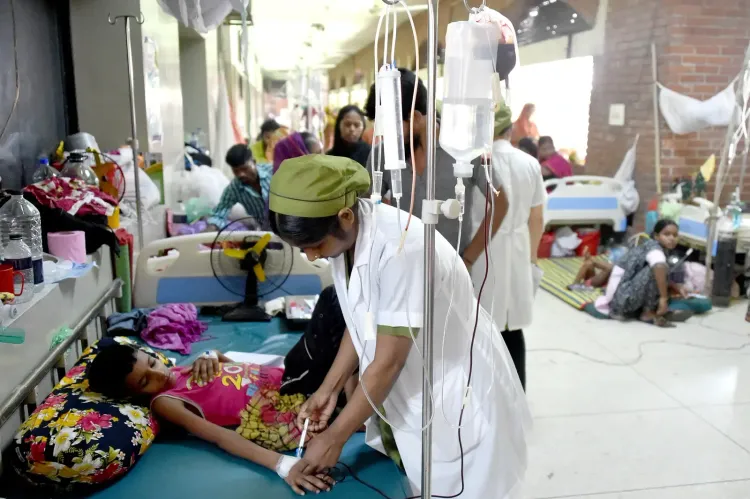
Bangladesh is grappling with one of its most severe public health emergencies in recent memory, as a runaway measles outbreak has exposed deep cracks in the country's immunisation infrastructure and governance systems. According to data cited by The Daily Star from the Directorate General of Health Services (DGHS), more than 1.89 lakh people — the vast majority of them children — have been affected by measles or measles-like symptoms since 15 March 2026.
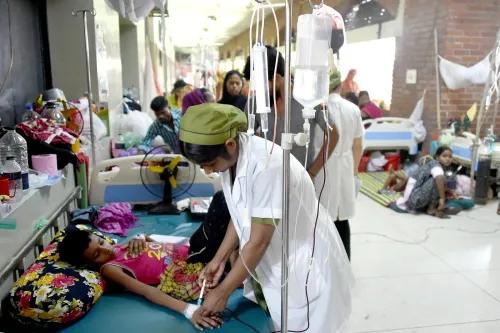
The reported death toll from confirmed and suspected cases has reached 1,012, while at least 1.49 lakh patients have required hospitalisation. Health experts caution that distinctions remain between confirmed and suspected infections and fatalities, but the scale of child mortality from a vaccine-preventable disease has drawn widespread alarm.
How a Success Story Unravelled
Bangladesh's immunisation programme was once held up as a model for developing nations. High vaccination coverage, achieved through government leadership, NGO participation, and grassroots community mobilisation, had previously shielded millions of children from preventable diseases. That record now stands severely damaged.
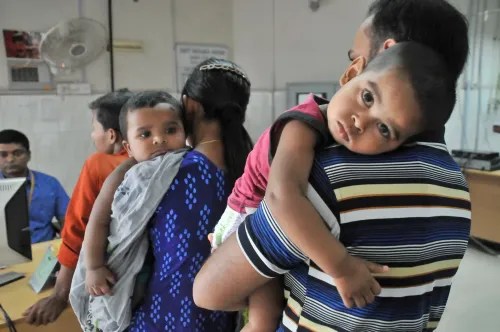
According to the report, multiple systemic failures converged to create the current crisis. The Covid-19 pandemic disrupted routine immunisation schedules, and a significant number of children were never reintegrated into the vaccination system thereafter. Hard-to-reach populations — including residents of urban slums, internal migrants, and other marginalised communities — remained particularly exposed. Routine follow-up and identification of so-called 'zero-dose children' were inadequate, and these weaknesses compounded over time.
Emergency Campaign and a Data Discrepancy
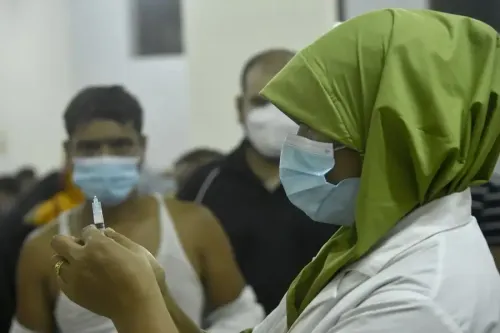
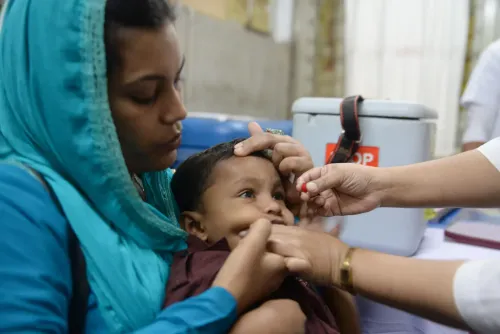
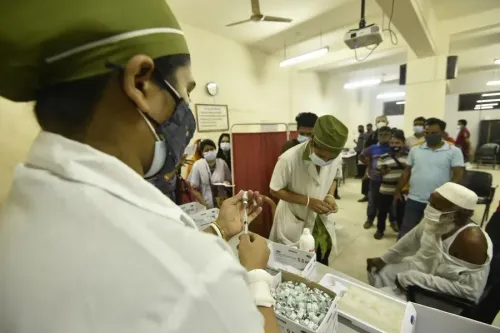
Authorities launched a large-scale emergency vaccination drive in response, reporting that nearly 1.97 crore children were inoculated. However, the figures came under scrutiny when a subsequent Vitamin A campaign in the same age group reached approximately 2.23 crore children — a gap suggesting the original target population for the measles campaign had been underestimated. Officials subsequently acknowledged this miscalculation.
Notably, while infections declined temporarily during June and July 2026, cases resurged sharply in August, underscoring concerns that the emergency response had not fully contained transmission chains.
Experts Call It a Governance Failure
The report characterises the outbreak not merely as a public health failure but as a broader governance failure, calling for a thorough investigation and sustained institutional reform. Health experts stress that measles is one of the most preventable infectious diseases known to medicine — its resurgence at this scale points to failures in surveillance, data management, and equitable vaccine delivery rather than any limitation of medical science.
This comes amid a wider pattern seen across South Asia, where pandemic-era immunisation gaps have left cohorts of unvaccinated children vulnerable to disease resurgences. Bangladesh's crisis is, in that sense, both a national emergency and a regional warning.
What Happens Next
Authorities face the twin challenge of bringing the August resurgence under control while undertaking a credible audit of vaccination coverage data. The credibility of Bangladesh's health system — and the trust of marginalised communities in state-delivered immunisation — will depend significantly on how transparently the investigation into these failures is conducted. International health agencies have been monitoring the situation closely.
Point of View
Effective, and widely available. It is a data and governance failure. The discrepancy between the 1.97 crore children reached in the emergency measles campaign and the 2.23 crore reached by the subsequent Vitamin A drive in the same age group is not a rounding error; it is a structural indictment of how the health system tracks and targets its most vulnerable populations. More worrying is the pattern: Covid disrupted routine immunisation, the state failed to identify and catch up missed children, and the emergency response itself was built on flawed population data. South Asia has multiple countries running similar immunisation catch-up drives on similarly uncertain data — Bangladesh should be treated as a stress test of that entire regional approach.
NationPress
13 Sept 2026
Frequently Asked Questions
How many people have been affected by the Bangladesh measles outbreak in 2026?
More than 1.89 lakh people, mostly children, have been affected by measles or measles-like symptoms in Bangladesh since 15 March 2026, according to data from the Directorate General of Health Services. At least 1.49 lakh of those cases required hospitalisation.
How many people have died in the Bangladesh measles outbreak?
The reported death toll from confirmed and suspected measles cases has reached 1,012, according to the DGHS data cited by The Daily Star. Health experts note that distinctions remain between confirmed and suspected fatalities, but the scale of child deaths from a vaccine-preventable disease has drawn widespread concern.
Why did the measles outbreak happen in Bangladesh?
Multiple factors converged: Covid-19 disrupted routine immunisation, leaving a generation of children unvaccinated; hard-to-reach populations such as urban slum residents and migrants were inadequately covered; and follow-up on zero-dose children was insufficient. These weaknesses accumulated over several years before manifesting in the 2026 outbreak.
Did Bangladesh's emergency vaccination campaign stop the outbreak?
The emergency campaign reportedly inoculated nearly 1.97 crore children, but cases resurged in August 2026 after a temporary dip in June and July. Authorities also acknowledged that the original target population had been underestimated, raising questions about the campaign's actual reach.
What is Bangladesh doing to prevent future measles outbreaks?
The report calls for a thorough investigation into the governance failures that allowed the outbreak to escalate, as well as renewed efforts to identify and vaccinate zero-dose children, particularly in marginalised communities. International health agencies have been monitoring the situation closely as authorities work to rebuild confidence in the immunisation system.