Bangladesh measles outbreak kills 1,000+ in 6 months amid vaccination gaps
Synopsis
Bangladesh's measles crisis has turned fatal at scale — over 1,000 dead in six months, cases in 58 of 64 districts, and a vaccination coverage rate well below the 95% threshold needed to stop transmission. Years of declining immunisation rates, pandemic disruptions, vaccine shortages tied to political upheaval, and unchecked misinformation all converged to produce one of the country's worst measles emergencies in recent memory.
Key Takeaways
Bangladesh's measles outbreak has killed 1,009 people by 9 September 2026 , including 100 lab-confirmed and 909 suspected measles deaths.
Cases have been reported in 58 of 64 districts ; Bangladesh notified the WHO of a nationwide outbreak on 4 April 2026 .
An emergency campaign vaccinated 19.75 million children , exceeding the initial target of 18 million , but experts say the original estimate was too low.
First-dose coverage fell to 86% in 2023 from 88.6% in 2019; measles requires ~95% coverage to interrupt transmission.
No nationwide supplementary campaign was held between January 2021 and 2026 , allowing susceptible populations to accumulate.
Regime change caused vaccine procurement delays and shortages in 2024–2025 , worsening the immunity deficit.
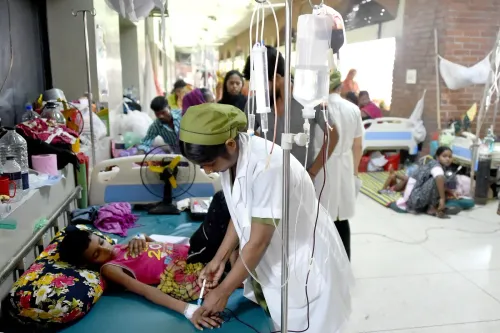
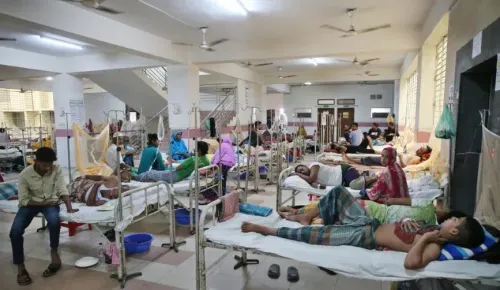
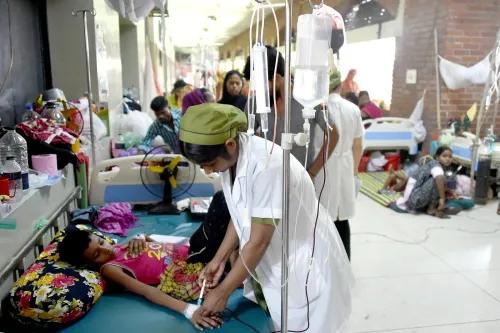
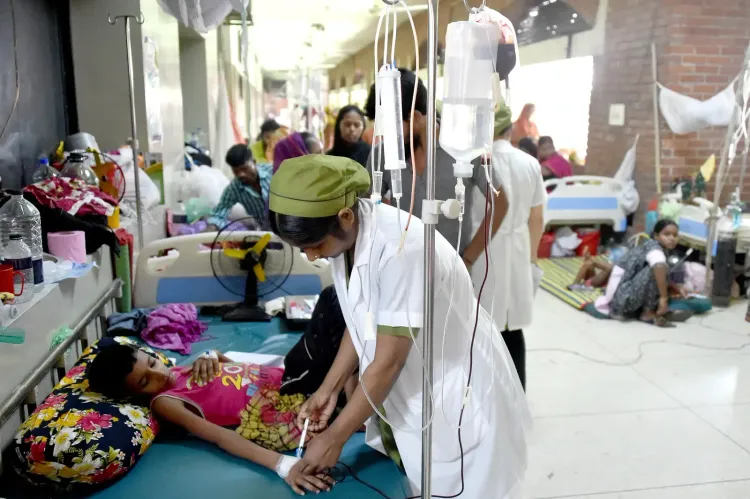
A devastating measles outbreak in Bangladesh has killed more than 1,000 people since mid-March 2026, according to a new report citing health ministry data, exposing years of declining routine vaccination coverage and systemic disruptions to immunisation services. The crisis has drawn urgent attention from global public health bodies and underscores the deadly consequences of immunity gaps in densely populated nations.
Scale of the Outbreak
Health ministry data, as cited in the report, recorded 1,009 deaths by 9 September 2026, comprising 100 laboratory-confirmed measles fatalities and 909 suspected measles deaths. Cases had been reported across 58 of Bangladesh's 64 districts by mid-April, when the outbreak was already classified as nationwide. Bangladesh formally notified the World Health Organization (WHO) of the nationwide outbreak on 4 April 2026, according to the report.
Emergency Vaccination Drive Falls Short
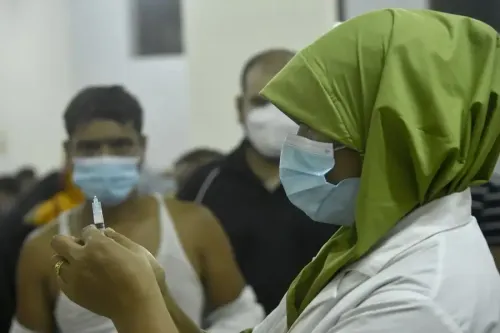
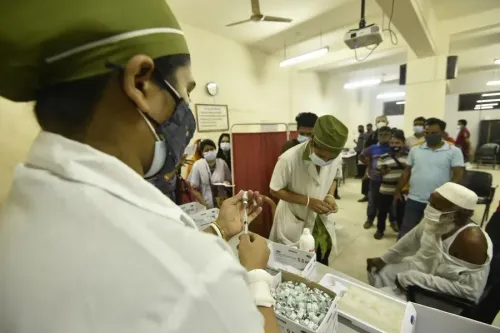
Authorities launched an emergency immunisation campaign in April 2026, vaccinating 19.75 million children against an initial target of approximately 18 million children aged six months to under five years. However, public health experts cautioned that the original estimate of children requiring vaccines was too low, and that national coverage figures can obscure localised pockets where large numbers of susceptible children remain unprotected.
How Coverage Gaps Built Up Over Years
Bangladesh's 2023 Coverage Evaluation Survey found that first-dose measles-rubella coverage dropped to 86% in 2023 from 88.6% in 2019, while second-dose coverage fell to 80.7% from 89% over the same period. Measles transmission typically requires approximately 95% coverage to be interrupted — a threshold Bangladesh has not met in recent years.
The country had not conducted a nationwide supplementary measles-rubella campaign between January 2021 and 2026, allowing susceptible populations to accumulate across successive birth cohorts. 'Coverage therefore remained below the approximately 95 percent level needed to interrupt measles transmission, allowing the number of susceptible children to grow over successive years,' the report noted.
Pandemic Disruptions, Misinformation, and Political Factors
Routine immunisation programmes were significantly disrupted during the COVID-19 pandemic. UNICEF has cited misinformation and vaccine hesitancy as additional factors preventing children from receiving scheduled vaccinations. Mushtuq Hussain, a former principal scientific officer at Bangladesh's Institute of Epidemiology, Disease Control and Research (IEDCR), said that regime change in the country caused delays in vaccine procurement and led to vaccine shortages in 2024 and 2025. Cases began rising markedly in January 2026 and surged through March before the outbreak was formally declared.
What Happens Next
The emergency campaign has already exceeded its initial numeric target, but experts warn that coverage gaps in hard-to-reach communities may sustain transmission chains. Bangladesh's experience mirrors global trends where post-pandemic immunisation backlogs have created fertile conditions for vaccine-preventable disease resurgences. Sustained catch-up vaccination, accurate local-level mapping of susceptible children, and community-level outreach to counter hesitancy remain critical steps before the outbreak can be brought under control.
Point of View
A five-year gap in nationwide supplementary campaigns, pandemic-era immunisation collapses, and procurement failures during political transition all fed the same accumulating susceptibility. The emergency campaign reaching 19.75 million children is welcome, but vaccinating above an already-low original target does not guarantee true population coverage. The harder accountability question is why the warning signals — falling first- and second-dose rates visible in 2023 survey data — did not trigger a corrective campaign well before January 2026, when case counts began their sharp climb.
NationPress
15 Sept 2026
Frequently Asked Questions
How many people have died in the Bangladesh measles outbreak in 2026?
According to health ministry data cited in reports, 1,009 people had died by 9 September 2026 , including 100 laboratory-confirmed measles deaths and 909 classified as suspected measles fatalities. The outbreak has been ongoing since mid-March 2026.
Why did the measles outbreak happen in Bangladesh?
Years of declining routine vaccination coverage pushed rates well below the 95% threshold needed to interrupt measles transmission. Disruptions during the COVID-19 pandemic, vaccine procurement delays linked to regime change, shortages in 2024 and 2025, and vaccine hesitancy fuelled by misinformation all contributed to a growing susceptible population that the virus exploited in early 2026.
What is Bangladesh doing to contain the measles outbreak?
Bangladesh launched an emergency vaccination campaign in April 2026, vaccinating 19.75 million children — exceeding an initial target of 18 million children aged six months to under five years. The country also formally notified the WHO of the nationwide outbreak on 4 April 2026. However, experts caution that national figures may mask local coverage gaps.
How widespread is the measles outbreak across Bangladesh?
By mid-April 2026, measles cases had been reported in 58 of Bangladesh's 64 districts, making it effectively a nationwide outbreak. The WHO was formally notified on 4 April 2026 after cases surged sharply from January through March.
What vaccination coverage level is needed to stop measles, and where does Bangladesh stand?
Measles transmission typically requires approximately 95% vaccination coverage to be interrupted. Bangladesh's first-dose measles-rubella coverage stood at only 86% in 2023, down from 88.6% in 2019, while second-dose coverage fell to 80.7% from 89% over the same period — both well below the required threshold.