Bangladesh measles surge: 1,01,077 cases and 6,258 deaths in 2026

Synopsis
Bangladesh recorded over one lakh suspected measles cases and more than 6,000 deaths in children under five in just four months of 2026 — a crisis rooted not in a new pathogen but in a failing immunisation system, chronic malnutrition, and collapsing frontline health infrastructure. The numbers signal a public-health emergency hiding in plain sight.
Key Takeaways
1,01,077 suspected measles cases and 6,258 associated deaths were recorded in Bangladesh between March 2026 and 30 June 2026 .
Full vaccination coverage for children aged 12–23 months fell from 83.9% in 2019 to 81.6% in 2023, with urban coverage lagging at 79% .
Bangladesh also records approximately 24,000 under-five pneumonia deaths annually — about 60 per day .
Exclusive breastfeeding rates are only around 56% , leaving nearly half of infants without early immune protection.
Around 43.6% of children under five suffer from anaemia, heightening vulnerability to severe measles complications.
Shortages of EPI cards , tally books, and vaccines were reported by frontline immunisation workers.
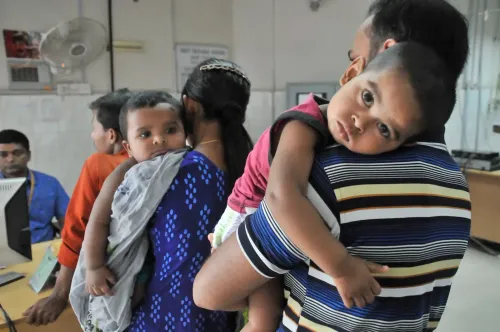
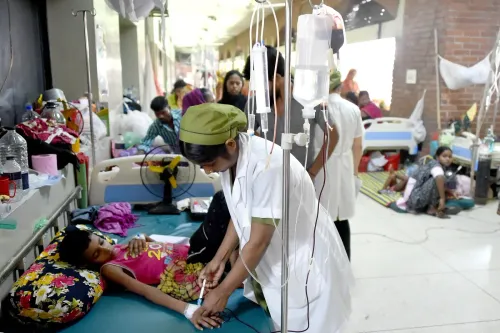
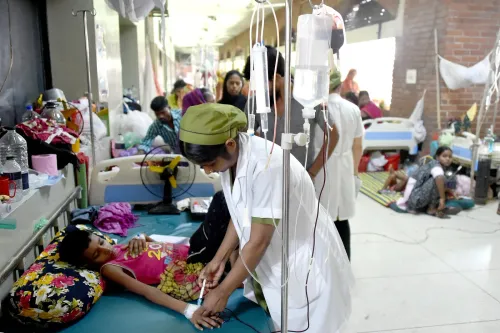
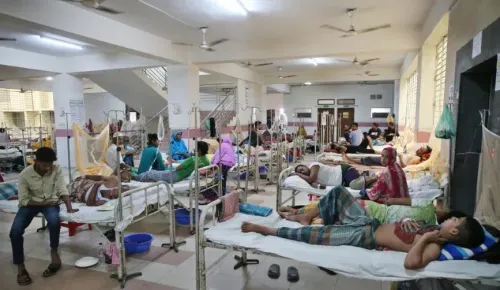
A collapsing immunisation drive and widespread malnutrition are fuelling a devastating measles outbreak among children under five in Bangladesh, with 1,01,077 suspected cases and 6,258 associated deaths recorded between March 2026 and 30 June 2026, according to a report by Bangladeshi newspaper The Daily Star. The findings point to a systemic failure across vaccination, nutrition, and primary healthcare — one that is exacting a disproportionate toll on the country's youngest and most vulnerable.
Scale of the Outbreak
Measles, a highly contagious viral infection with a transmission rate higher than that of coronavirus, has re-emerged as a critical public-health threat in Bangladesh. The disease is compounding an already grim picture: the country records approximately 24,000 under-five deaths from pneumonia every year, equivalent to roughly 60 pneumonia-related deaths daily. National under-five mortality stands at about 33 per 1,000 live births, with lower-income groups bearing a disproportionately higher burden, according to the report.
Vaccination Coverage in Decline
The report flags a troubling slide in immunisation rates. Full vaccination coverage (FVC) for children aged 12–23 months peaked at 83.9 per cent in 2019 but had dropped to 81.6 per cent by 2023. Urban coverage, at 79 per cent, trails rural areas at 84.6 per cent — a reversal of the pattern seen in most developing economies, where urban populations typically enjoy better access to services.
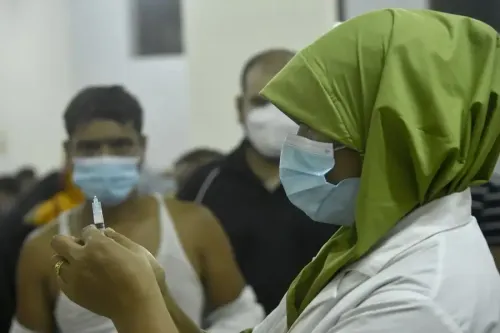
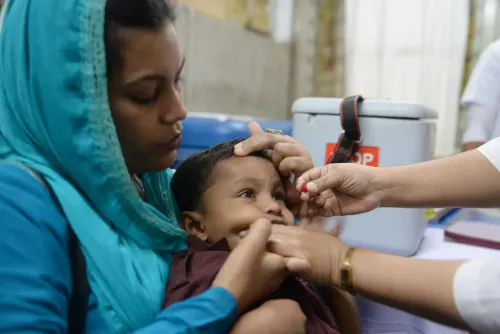
While the BCG birth-dose rate remains high at over 98 per cent, significant dropout occurs before children complete the full vaccination schedule at 15 months, which includes MR2 — the second dose of the measles-rubella vaccine. Shortages of EPI cards, tally books, and register books, along with vaccine supply gaps, were reported by frontline Expanded Programme on Immunisation (EPI) workers, the report noted.
Malnutrition and Breastfeeding Gaps
Nutrition deficits are amplifying the risk. Exclusive breastfeeding rates stand at only around 56 per cent, depriving nearly half of all infants of the immune protection provided by colostrum and breast milk in the critical early months of life.
'Adolescent motherhood, inadequate maternity leave, the absence of breastfeeding facilities for working mothers, misconceptions, lack of awareness and the unregulated availability of formula milk are among the contributing factors,' the report said.
Micronutrient deficiencies compound the problem further. Regular access to foods rich in iron, vitamin A, vitamin D, and zinc remains inadequate. Approximately 43.6 per cent of children under five suffer from varying degrees of anaemia, with prevalence highest among those below two years of age — the cohort most vulnerable to severe measles complications.
Structural Barriers to Care
The report identifies unhealthy living conditions, insufficient primary healthcare infrastructure, delays in treatment-seeking, and high out-of-pocket costs as the primary structural drivers of the crisis. Children with undernutrition face a markedly elevated risk of life-threatening measles complications, creating a dangerous overlap between the country's nutrition emergency and its immunisation failure.
This comes amid broader concerns about Bangladesh's public-health capacity following recent political and economic turbulence, which has strained government service delivery across sectors. Unless vaccination coverage is urgently restored and nutrition interventions scaled up, health experts warn that the under-five mortality rate could worsen further through the remainder of 2026.
Point of View
Compounded by nutrition deficits that mainstream coverage rarely quantifies together. The detail that urban coverage (79%) now trails rural areas (84.6%) should alarm policymakers: it suggests urban informal settlements are a structural blind spot in the EPI network, not merely a capacity problem. With MR2 dropout rates rising and EPI supply chains visibly strained, the question is not whether this outbreak will worsen but whether the government can mount a credible catch-up vaccination campaign before the under-five mortality rate climbs further.
NationPress
7 Oct 2026
Frequently Asked Questions
How many measles cases and deaths have been reported in Bangladesh in 2026?
According to a report by The Daily Star, Bangladesh recorded 1,01,077 suspected measles cases and 6,258 associated deaths among children under five between March 2026 and 30 June 2026. The figures point to a severe breakdown in the country's immunisation and nutrition systems.
Why is measles spreading so rapidly among children in Bangladesh?
The outbreak is being driven by declining vaccination coverage, widespread malnutrition, shortages of EPI supplies, and inadequate primary healthcare access. Children with undernutrition face a significantly higher risk of life-threatening measles complications, creating a dangerous overlap between two ongoing crises.
How has Bangladesh's vaccination coverage changed in recent years?
Full vaccination coverage for children aged 12–23 months dropped from 83.9% in 2019 to 81.6% in 2023. Urban coverage stands at just 79%, lagging behind rural areas at 84.6%. High dropout rates before the MR2 second dose at 15 months are a key gap in the immunisation schedule.
What role does malnutrition play in the measles crisis?
Malnutrition significantly weakens children's immune defences, making measles infections more likely to turn fatal. Around 43.6% of Bangladeshi children under five suffer from anaemia, exclusive breastfeeding rates are only about 56%, and deficiencies in iron, vitamin A, vitamin D, and zinc are widespread.
What other child-health burdens is Bangladesh facing alongside measles?
Bangladesh records approximately 24,000 under-five deaths from pneumonia each year — roughly 60 per day. National under-five mortality stands at about 33 per 1,000 live births, with lower-income groups facing higher rates. The measles surge is adding to an already severe child-mortality burden.