Bangladesh measles outbreak: Death toll nears 1,100 as nine more children die
Synopsis
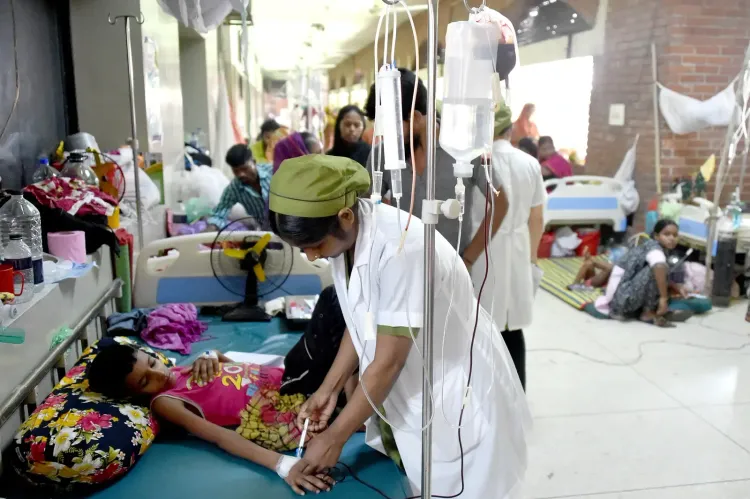
Bangladesh's measles death toll has reached 1,096 in 2026 — and a damning international report says every single one was preventable. A decision by the former interim government to abandon UNICEF's vaccine supply chain in favour of open tender procurement, despite repeated warnings, is now being cited as the root cause of one of the country's worst public health crises in recent history.
Key Takeaways
Nine more children died from measles symptoms in Bangladesh in the 24 hours to 8 a.m. on 27 September 2026 , all classified as suspected cases.
Total measles-related fatalities in 2026 now stand at 1,096 — 995 suspected and 101 confirmed.
Cumulative suspected cases have reached 188,041 ; laboratory-confirmed cases total 21,212 .
Since 15 March 2026 , 166,310 patients have been hospitalised; 159,519 have recovered.
The Canada-based GCDG report blames the crisis on the former interim government's switch from UNICEF 's supply chain to an open tender procurement process, ignoring repeated warnings of a vaccine shortage.
Measles is a vaccine-preventable disease; the outbreak is being described as a 'preventable tragedy' by international health advocates.
Bangladesh recorded nine more measles-related deaths in the 24 hours until 8 a.m. on Sunday, 27 September 2026, pushing the country's total confirmed and suspected measles fatalities in 2026 to 1,096, according to local media reports. All nine of the latest deaths were classified as suspected cases by the Directorate General of Health Services (DGHS).
Latest Case Count and Fatalities
With Sunday's update, total suspected measles deaths in Bangladesh climbed to 995, while laboratory-confirmed fatalities remain unchanged at 101. A further 1,228 new suspected cases were logged in the same 24-hour window, bringing the cumulative suspected case count to 188,041. An additional 113 laboratory-confirmed cases were also added, raising the confirmed total to 21,212.
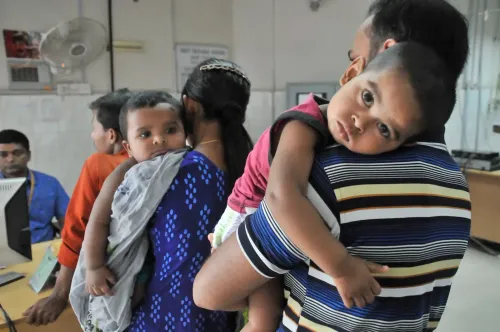
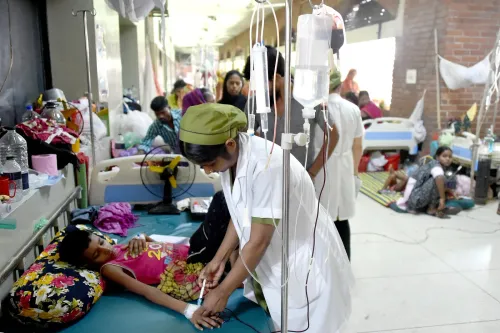
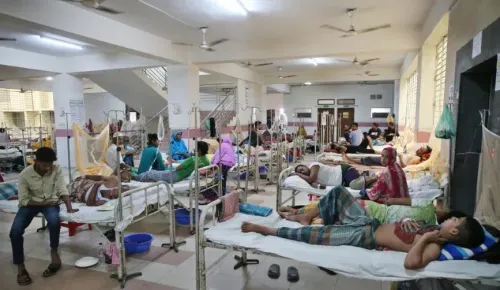
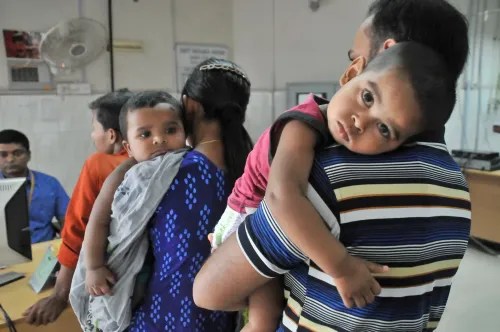
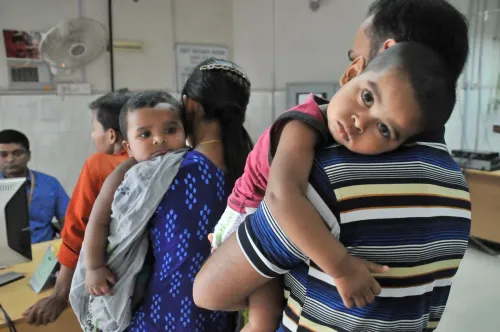
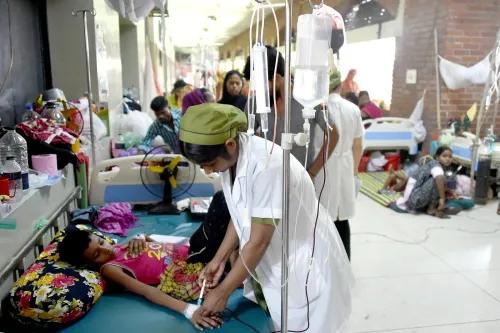
Since 15 March 2026, a total of 166,310 patients with suspected measles have been hospitalised across the country. Of those, 159,519 have recovered, according to the DGHS, leaving a substantial number still under care.
Why the Outbreak Was Not Unforeseen
A recent report by the Canada-based Global Centre for Democratic Governance (GCDG), titled 'Preventable Tragedy: Bangladesh's 2026 Measles Outbreak', has described the crisis as one of Bangladesh's worst public health emergencies in recent history. The advocacy group stressed that while the scale of the outbreak shocked the public, it was not unexpected from an epidemiological standpoint.
According to the GCDG report, the outbreak stemmed from a convergence of systemic failures during 2024–2025 under the then-interim government led by Muhammad Yunus. These included disruptions to routine vaccination programmes, cancellations of scheduled supplementary immunisation drives, administrative delays in vaccine procurement, and a failure to identify at-risk populations in time.
Vaccine Procurement at the Centre of the Crisis
The GCDG report highlighted a critical policy shift: Bangladesh had long sourced World Health Organisation (WHO)-approved vaccines through the United Nations Children's Fund (UNICEF)'s established international supply chain. The interim administration, however, replaced this arrangement with an open tender procurement process — a change that reportedly created significant supply gaps.
Citing UNICEF, the report noted that the agency issued between five and six formal letters and participated in approximately 10 meetings between 2024 and 2026 to warn the interim government of a looming vaccine shortage. Those warnings, according to the GCDG, were not acted upon in time.
Broader Public Health Implications
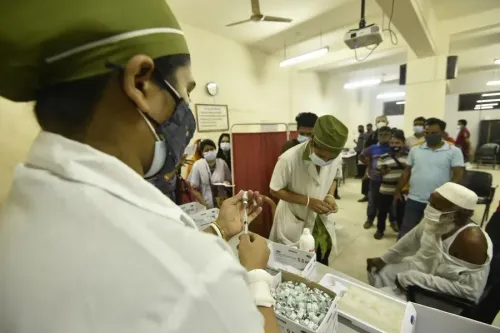
Measles is a vaccine-preventable disease, making the scale of Bangladesh's 2026 outbreak particularly alarming to health experts. The GCDG characterised the crisis as a 'preventable tragedy', underscoring that routine immunisation, if maintained, would have sharply curtailed transmission. Critics argue that the breakdown in institutional procurement protocols compounded the human cost at every stage.
This comes amid global concern over measles resurgences in multiple low- and middle-income countries, where pandemic-era disruptions to childhood immunisation have yet to be fully reversed. Bangladesh's experience is being closely watched as a cautionary case of what procurement mismanagement and missed vaccination windows can produce at scale.
As authorities continue to track daily case additions numbering in the thousands, the trajectory of the outbreak and the speed of the government's vaccination recovery drive will determine whether the death toll stabilises or climbs further in the weeks ahead.
Point of View
The resulting deaths are a policy outcome, not a medical inevitability. What is most striking in the GCDG findings is the timeline: warnings were issued across 10 meetings spanning two years, and action still did not follow. For countries that benchmark against Bangladesh's earlier success in routine immunisation, this episode is a reminder that procurement systems are themselves a form of public health infrastructure — and that dismantling them carries a body count.
NationPress
27 Sept 2026
Frequently Asked Questions
What is the current death toll from the Bangladesh measles outbreak in 2026?
As of 27 September 2026 , the total number of confirmed and suspected measles-related deaths in Bangladesh stands at 1,096 — comprising 101 laboratory-confirmed fatalities and 995 suspected deaths. Nine new deaths were recorded in the 24-hour period ending 8 a.m. on Sunday.
How many measles cases have been reported in Bangladesh in 2026?
A total of 188,041 suspected cases and 21,212 laboratory-confirmed cases of measles have been reported in Bangladesh in 2026. Since 15 March, over 166,310 patients have been hospitalised, of whom 159,519 have recovered.
What caused the Bangladesh measles outbreak?
According to a report by the Global Centre for Democratic Governance (GCDG) , the outbreak resulted from a combination of disruptions to routine vaccination programmes, cancelled supplementary immunisation drives, and administrative delays in vaccine procurement during 2024–2025 . A key trigger was the interim government's decision to replace the UNICEF international vaccine supply chain with an open tender procurement process.
Did UNICEF warn Bangladesh about the vaccine shortage?
Yes. According to the GCDG report citing UNICEF , the agency issued between five and six formal letters and held approximately 10 meetings between 2024 and 2026 to alert the interim government to the risk of a vaccine shortage. Those warnings were reportedly not acted upon in time.
Is measles preventable, and why is this outbreak significant?
Measles is fully preventable through vaccination, which makes the scale of Bangladesh's 2026 outbreak particularly concerning. The GCDG has described it as one of the country's worst public health crises in recent history and a 'preventable tragedy', highlighting that sustained routine immunisation would have sharply reduced transmission and deaths.