Bangladesh measles outbreak death toll nears 1,000 as crisis deepens
Synopsis
Bangladesh's measles death toll is closing in on 1,000 — and the GCDG's damning report makes clear this was no accident. A government decision to scrap a proven UNICEF-backed vaccine procurement system in favour of open tender, despite repeated warnings, let measles vaccination coverage crash to a nine-year low of 56.2%. Nearly 158,000 suspected cases later, the human cost of that bureaucratic gamble is still rising.
Key Takeaways
At least six children died from measles in Bangladesh on 31 August 2026 , bringing the year's combined death toll to 973 .
Confirmed deaths stand at 99 ; suspected deaths have reached 874 .
Total suspected cases have surpassed 157,991 , with 19,312 confirmed cases recorded.
The GCDG linked the outbreak to the former interim government's replacement of a UNICEF -backed vaccine procurement system with an open tender process.
Measles vaccination coverage fell to 56.2% in 2025 — the lowest since 2017 .
The WHO identified a nationwide measles-rubella (MR) vaccine stock-out in 2024-2025 as a primary cause of the outbreak.
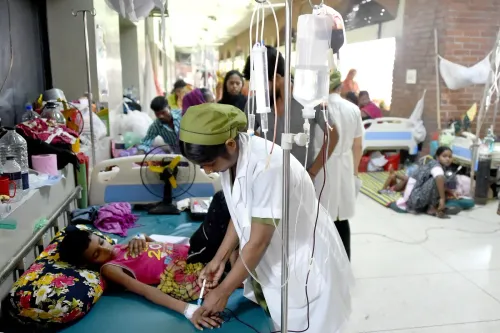
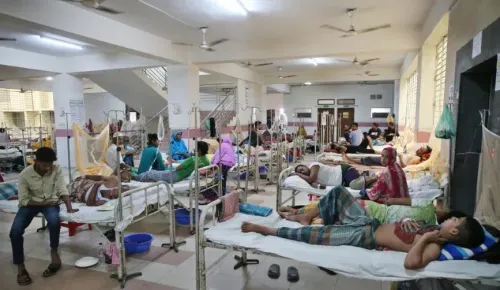
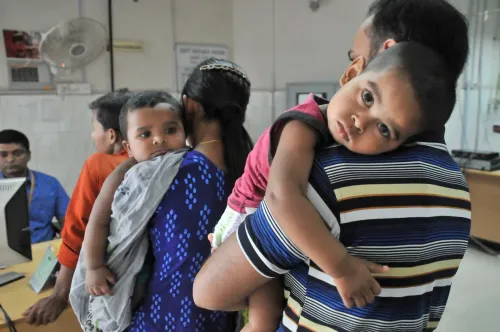
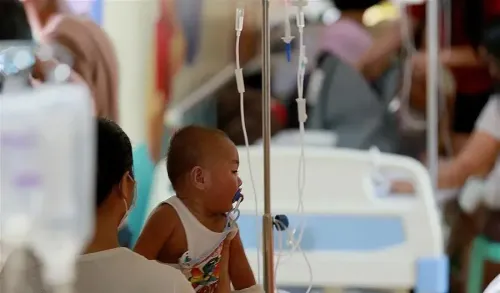
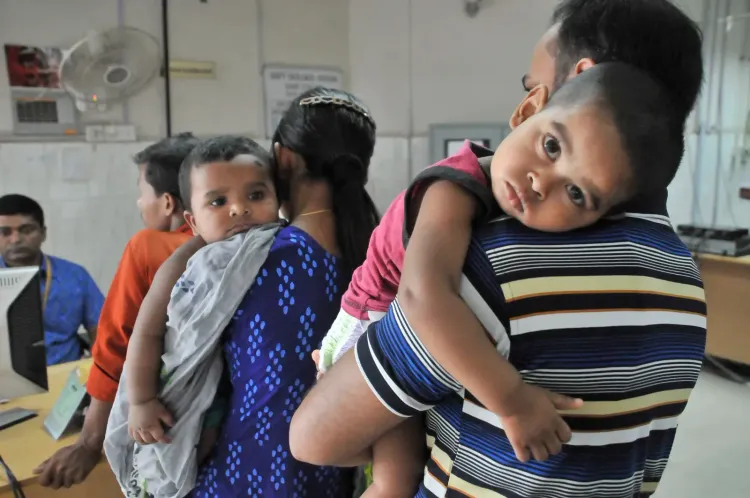
Bangladesh's measles outbreak claimed at least six more children's lives on Monday, 31 August 2026, pushing the combined confirmed and suspected death toll to 973 for the year, according to the country's Directorate General of Health Services (DGHS). The escalating public health emergency has drawn sharp international scrutiny, with experts pointing to systemic failures in vaccine procurement as the root cause.
Latest Case and Fatality Figures
The DGHS recorded the six newest deaths — all classified as suspected — within a 24-hour window leading up to Monday morning. The total number of confirmed deaths remains at 99, while suspected fatalities have climbed to 874.
On the case front, 1,162 new suspected measles cases were logged in the same period, bringing the cumulative suspected case count to 157,991. An additional 94 confirmed cases were added, raising the confirmed total to 19,312.
A Preventable Crisis: What Went Wrong
A report titled 'Preventable Tragedy: Bangladesh's 2026 Measles Outbreak', published by the Canada-based Global Centre for Democratic Governance (GCDG), described the 2026 outbreak as one of Bangladesh's worst public health crises in recent history. Critically, the GCDG noted that while the outbreak appeared sudden to the public, it was not unexpected from an 'epidemiological perspective'.
The report attributed the crisis to a convergence of failures during 2024-2025 under the former interim government led by Muhammad Yunus: disruptions to vaccine supply chains, missed routine vaccinations, cancellation of scheduled supplementary immunisation programmes, administrative delays in procurement, and a failure to identify at-risk populations in time.
Procurement Overhaul That Backfired
According to the GCDG, Bangladesh had historically procured World Health Organisation (WHO)-approved vaccines through the United Nations Children's Fund (UNICEF)'s established international supply chain. The interim government replaced this system with an open tender procurement process — a shift that reportedly created critical supply gaps.
Citing UNICEF, the report stated that the agency repeatedly warned the interim government of a potential vaccine shortage through five to six formal letters and approximately 10 meetings held between 2024 and 2026. Those warnings, according to the GCDG, went unheeded.
Vaccination Coverage at a Historic Low
Referencing Expanded Programme on Immunisation (EPI) data reported by Bangladeshi daily Samakal, the GCDG noted that measles vaccination coverage fell to 56.2 per cent in 2025 — the lowest level recorded in the period between 2017 and 2025.
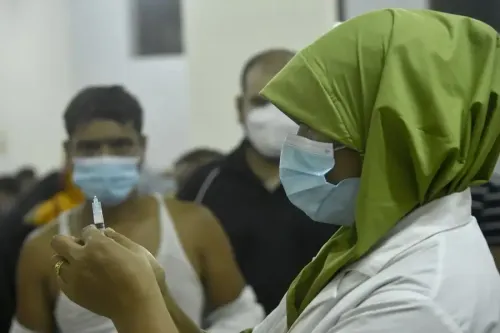
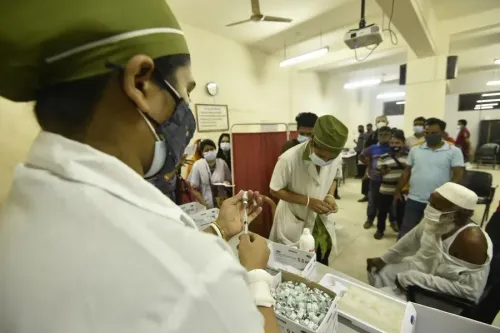
The WHO subsequently identified a nationwide stock-out of the measles-rubella (MR) vaccine during 2024-2025, along with the collapse of regular vaccination schedules, as the primary drivers of declining childhood immunity and the subsequent 2026 outbreak.
What Comes Next
With the death toll approaching 1,000 and nearly 158,000 suspected cases already recorded, the pressure on Bangladesh's health authorities to restore immunisation infrastructure is acute. International health bodies are closely monitoring the situation, and the GCDG's findings are likely to intensify calls for accountability over the procurement decisions made during the interim government's tenure.
Point of View
Meaning the virus had an enormous susceptible population to move through. The approaching 1,000-death milestone will demand accountability — but accountability in post-interim-government Bangladesh is politically fraught, and that tension will shape how, or whether, the structural failures are ever formally addressed.
NationPress
16 Oct 2026
Frequently Asked Questions
What is the current death toll from the Bangladesh measles outbreak?
As of 31 August 2026, the combined confirmed and suspected measles death toll in Bangladesh stands at 973 for the year. Confirmed deaths total 99, while suspected deaths have reached 874, according to the Directorate General of Health Services (DGHS).
How many measles cases have been reported in Bangladesh in 2026?
A total of 157,991 suspected measles cases and 19,312 confirmed cases have been recorded in Bangladesh as of 31 August 2026. The DGHS logged 1,162 new suspected cases and 94 new confirmed cases in a single 24-hour period ending Monday morning.
Why did the measles outbreak occur in Bangladesh?
The GCDG report attributes the outbreak to a breakdown in vaccine procurement and delivery during 2024-2025 under the former interim government. The government replaced a UNICEF-backed procurement system with an open tender process, leading to a nationwide stock-out of the measles-rubella vaccine, missed routine vaccinations, and cancelled immunisation drives.
Did international agencies warn Bangladesh about the vaccine shortage?
Yes. According to the GCDG, UNICEF warned the interim government of an impending vaccine shortage through five to six formal letters and approximately 10 meetings between 2024 and 2026. Those warnings were reportedly not acted upon in time to prevent the supply collapse.
What was Bangladesh's measles vaccination coverage in 2025?
Measles vaccination coverage in Bangladesh fell to 56.2% in 2025, the lowest level recorded between 2017 and 2025, according to Expanded Programme on Immunisation (EPI) data cited by the GCDG. This is well below the 95% coverage threshold recommended for herd immunity.