Bangladesh measles outbreak: 6 more child deaths push toll near 600
Synopsis
Bangladesh's measles toll is closing in on 600, with 309 deaths in May alone and over 73,000 suspected cases. UNICEF says it warned the Yunus-led interim government 10 times about a looming vaccine shortage. The current BNP-led government has now ordered a probe — but children are still dying at more than a thousand suspected cases a day.
Key Takeaways
Six more children died of suspected measles in 24 hours , taking total confirmed and suspected deaths to 594 since 15 March 2025 .
309 deaths were recorded in May alone; confirmed deaths stand at 90 , suspected at 504 .
Suspected cases have crossed 73,362 ; confirmed cases at 9,136 .
UNICEF says it sent 5-6 letters and held 10 meetings warning the Muhammad Yunus -led interim government of vaccine shortages from 2024.
The preliminary phase of the measles-rubella vaccination drive ended on 20 May , yet daily cases continue to exceed 1,000 .
The current BNP-led government has launched a probe into the outbreak.
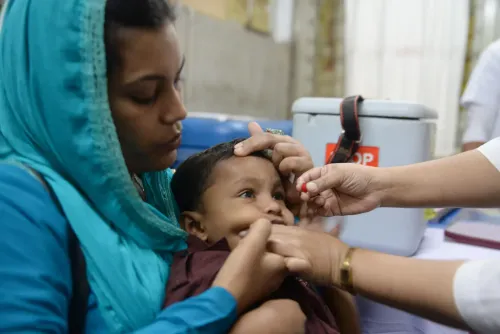
Bangladesh's worsening measles outbreak claimed six more children in the 24 hours leading up to Tuesday morning, taking the total of confirmed and suspected deaths to 594 since 15 March 2025, according to data from the Directorate General of Health Services (DGHS) cited by local media. The fresh fatalities, all classified as suspected, underline how the contagion has continued to spread despite a nationwide vaccination drive that wrapped its preliminary phase last month.
Key Developments
Of the latest deaths, all six were recorded as suspected cases, the Dhaka Tribune reported. While the confirmed death count remained at 90, suspected fatalities have climbed to 504, with 309 measles-linked deaths recorded in May alone.
The DGHS also logged 1,292 fresh suspected cases in the same 24-hour window, pushing the cumulative suspected caseload to 73,362. An additional 42 confirmed cases took that tally to 9,136.
Vaccination drive falls short
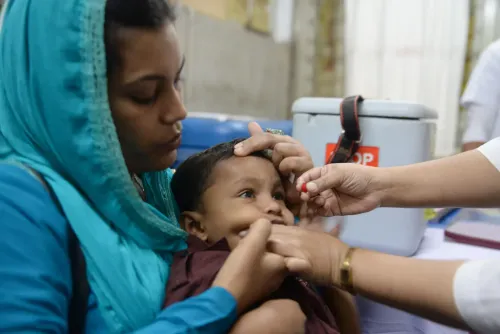
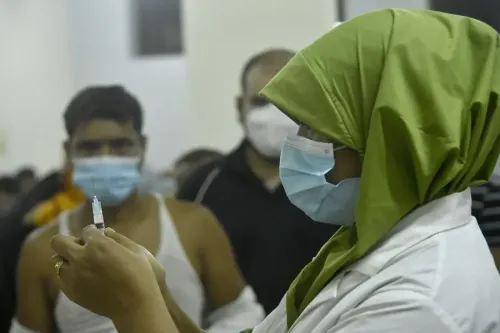
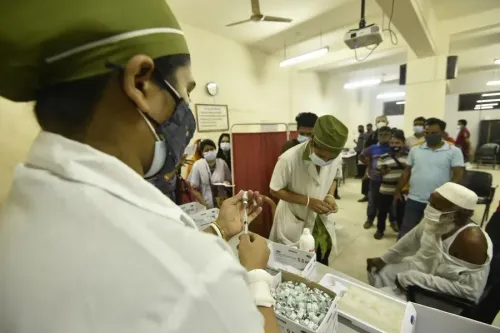
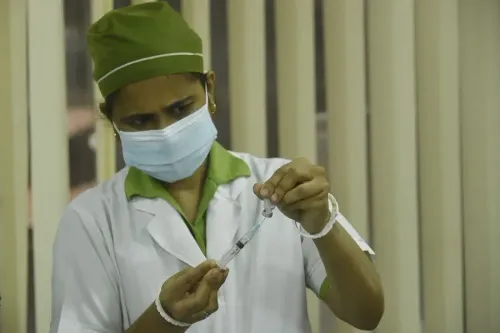
Infections and deaths have continued to mount even after the preliminary phase of a one-and-a-half-month special measles-rubella vaccination campaign ended on 20 May, The Daily Star reported. DGHS data shows daily suspected cases crossed 1,000 on almost every day of May, with only three exceptions — 9, 16 and 23 May.
UNICEF flags repeated warnings
The United Nations International Children's Emergency Fund (UNICEF) said it had repeatedly cautioned Bangladesh's earlier interim government, led by Muhammad Yunus, about vaccine shortages that could trigger a public health crisis. At a press briefing in Dhaka, Rana Flowers, UNICEF Representative to Bangladesh, said the agency had sent five to six letters and raised the matter in 10 meetings with Health Ministry officials.
“From 2024, we were warning the government that the shortage of vaccines could lead to an outbreak. From 2024 to 2025 and into 2026, we sent letters, and we had 10 different meetings signalling this was a problem and that orders for vaccines needed to be given. They could not,” Flowers was quoted as saying by The Daily Star.
She added that Ted Chaiban, Deputy Executive Director of UNICEF, had flagged the shortage at a meeting with the Foreign Ministry during his visit to Bangladesh in August last year.
What happens next
Flowers said UNICEF would share evidence with the probe launched by the current Bangladesh Nationalist Party (BNP)-led government into the handling of the outbreak. With suspected cases still averaging over a thousand a day, health authorities are under pressure to accelerate the next phase of the measles-rubella drive and close immunisation gaps in the worst-affected districts.
Point of View
10 meetings, a deputy executive director raising it with the Foreign Ministry — makes it hard to argue the Yunus-led interim government was blindsided. Bangladesh had one of South Asia's strongest routine immunisation records a decade ago; the speed of this regression should worry every regional health planner. The BNP-led probe will matter only if it forces structural accountability for vaccine pipelines, not just a political post-mortem.
NationPress
26 Sept 2026
Frequently Asked Questions
What is causing the measles outbreak in Bangladesh?
The outbreak has been driven by a prolonged shortage of measles-rubella vaccines, which UNICEF says it flagged to Bangladesh's earlier interim government from 2024 onwards. Routine immunisation gaps have allowed the virus to spread, with daily suspected cases exceeding 1,000 through most of May.
How many people have died in the Bangladesh measles outbreak?
A total of 594 confirmed and suspected deaths have been recorded since 15 March 2025, according to the Directorate General of Health Services. Of these, 90 are confirmed measles deaths and 504 are suspected, with 309 fatalities reported in May alone.
What did UNICEF warn the Bangladesh government about?
UNICEF representative Rana Flowers said the agency sent five to six letters and raised the issue in 10 meetings with Health Ministry officials under the Muhammad Yunus-led interim government, warning that vaccine shortages could trigger a major outbreak. The warnings began in 2024 and continued into 2026.
What is the government doing about the outbreak?
The current Bangladesh Nationalist Party (BNP)-led government has launched an investigation into the handling of the outbreak. A special measles-rubella vaccination drive completed its preliminary phase on 20 May, though cases have continued to rise.
Who is most affected by the measles outbreak?
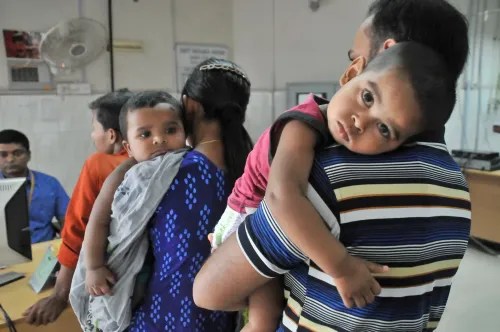
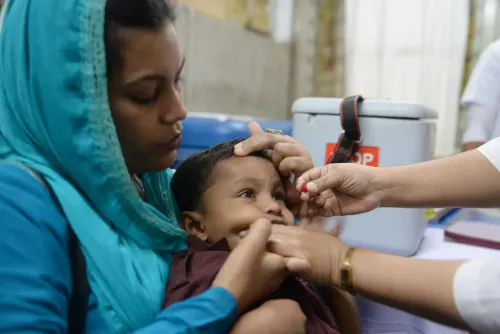
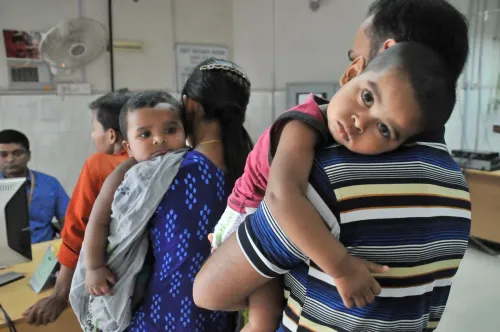
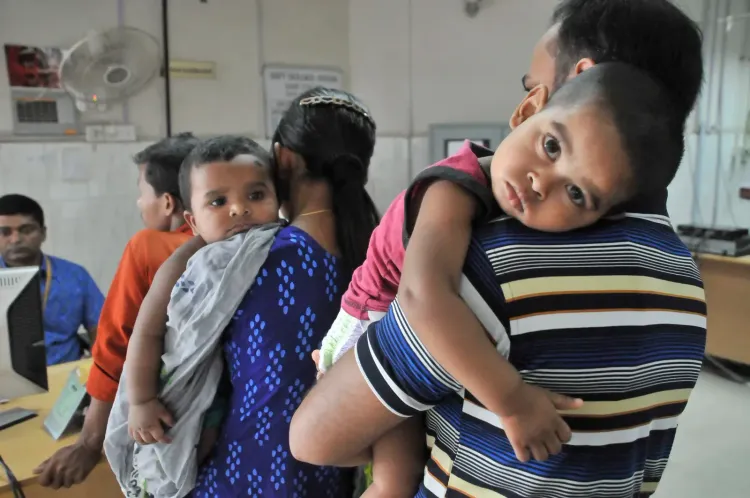
Children are bearing the brunt of the outbreak, with the latest six fatalities all being children. Suspected cases have crossed 73,362 and confirmed cases stand at 9,136, with paediatric wards across the country reporting sustained pressure.